
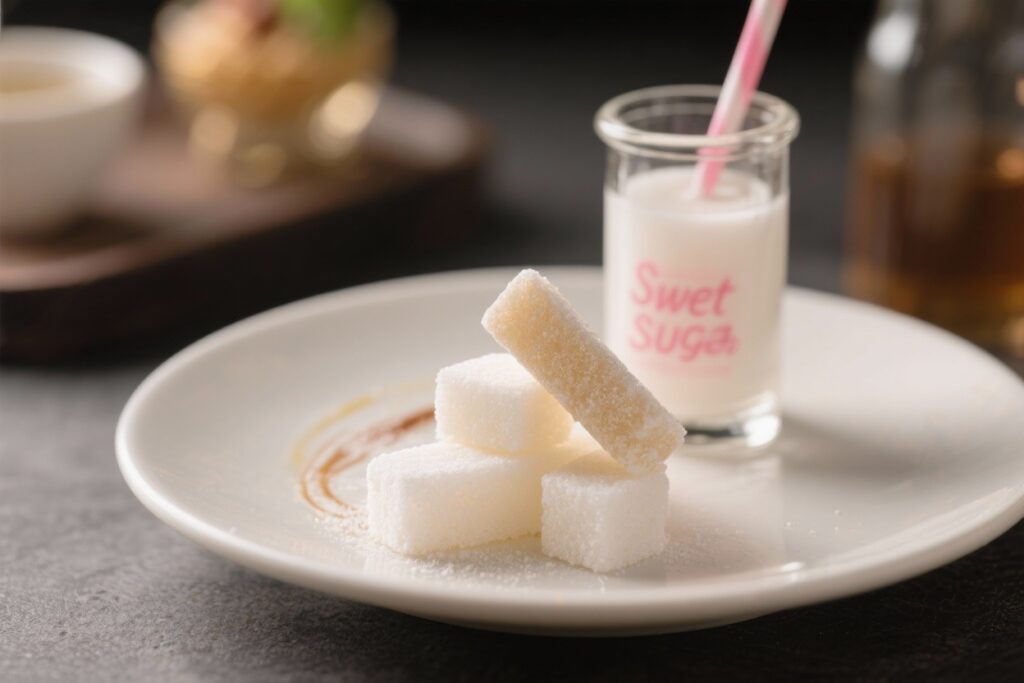
Sweetener doesn’t have to come from a packet with a long ingredient list. You can make a clean, reliable sweetener at home using just a couple of pantry staples. It blends easily into hot and cold drinks, tastes consistent, and stores well.
If you’re trying to cut back on processed sugar or just want a smoother way to sweeten your coffee, this simple recipe has you covered. It’s budget-friendly, customizable, and takes less than 15 minutes from start to finish.
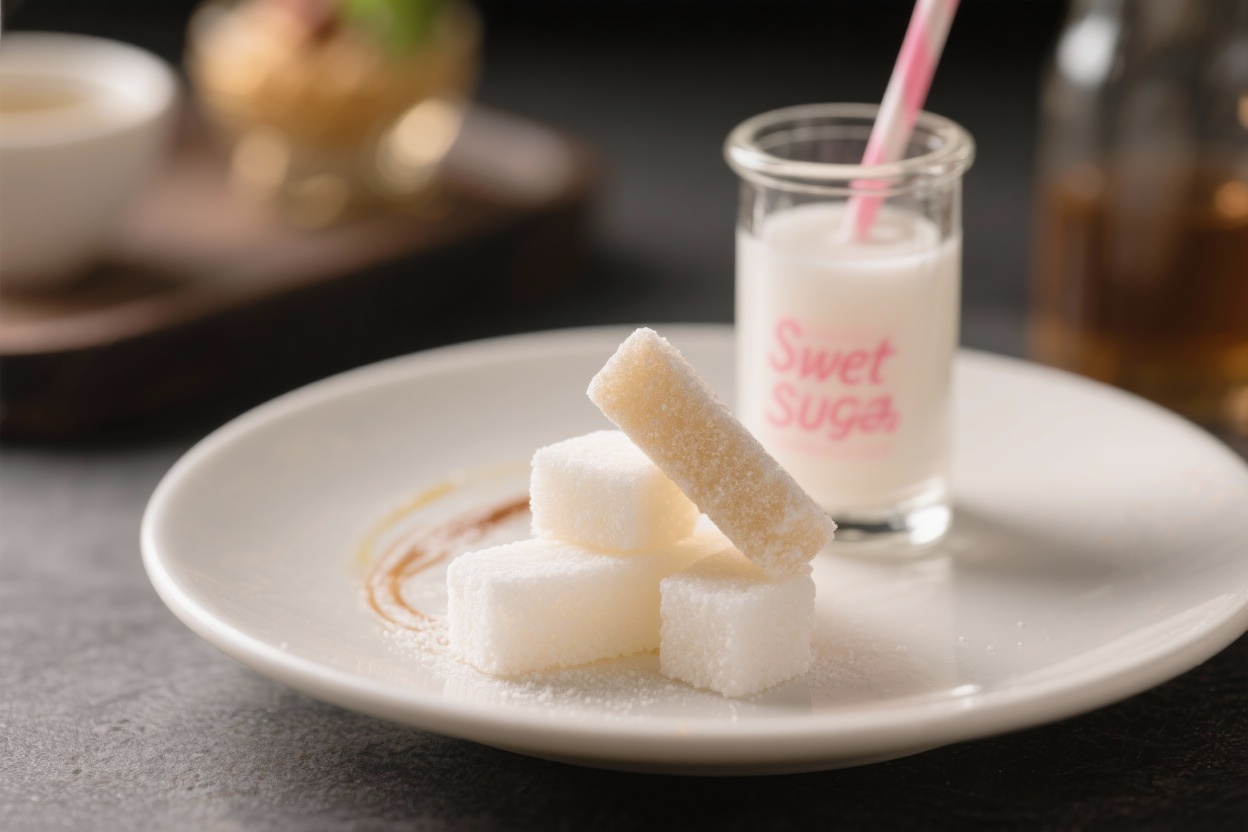
Ingredients
Method
-
Measure the base. Use equal parts sugar and water for classic simple syrup.
A good starting batch is 1 cup sugar to 1 cup water.
-
Combine in a saucepan. Add sugar and water to a small pot and set over medium heat. Stir gently as it warms.
-
Heat just until dissolved. Once the sugar fully dissolves and the liquid turns clear, remove from heat. There’s no need to boil vigorously.
-
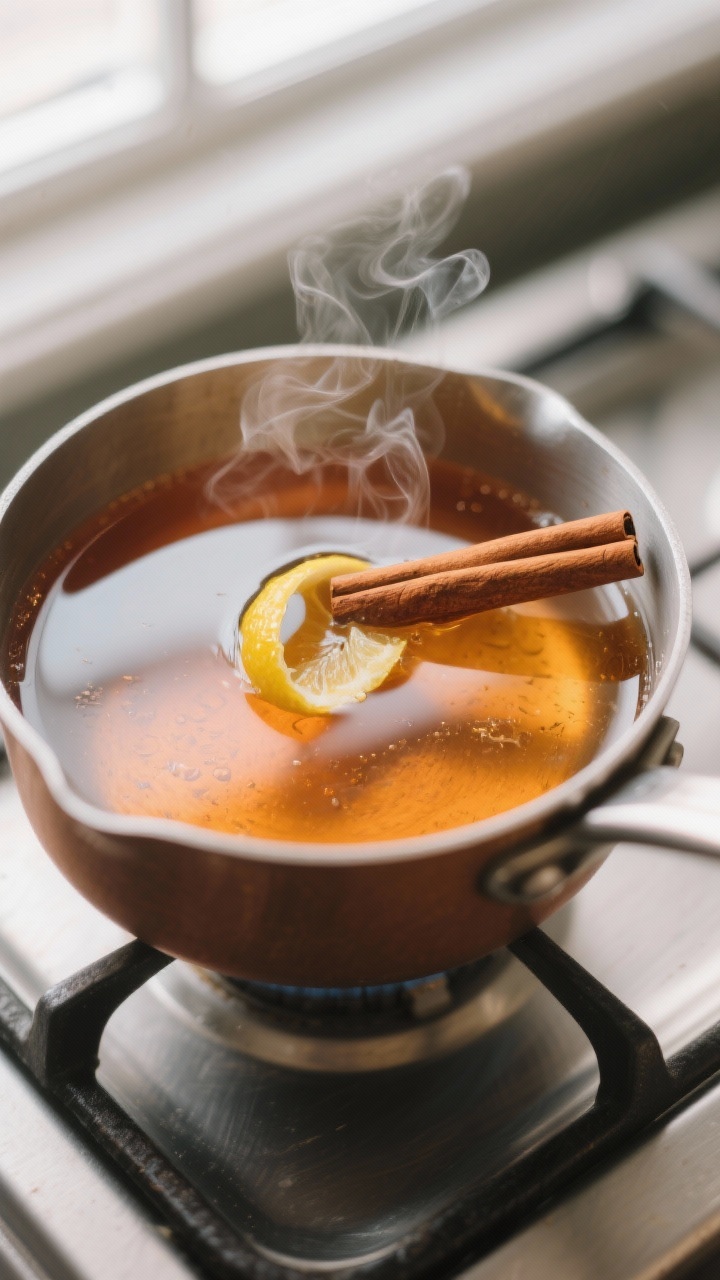
Flavor if you like. Add a cinnamon stick, citrus peel, a few ginger slices, or a splash of vanilla.
Let it steep for 10–15 minutes off the heat for subtle flavor.
-
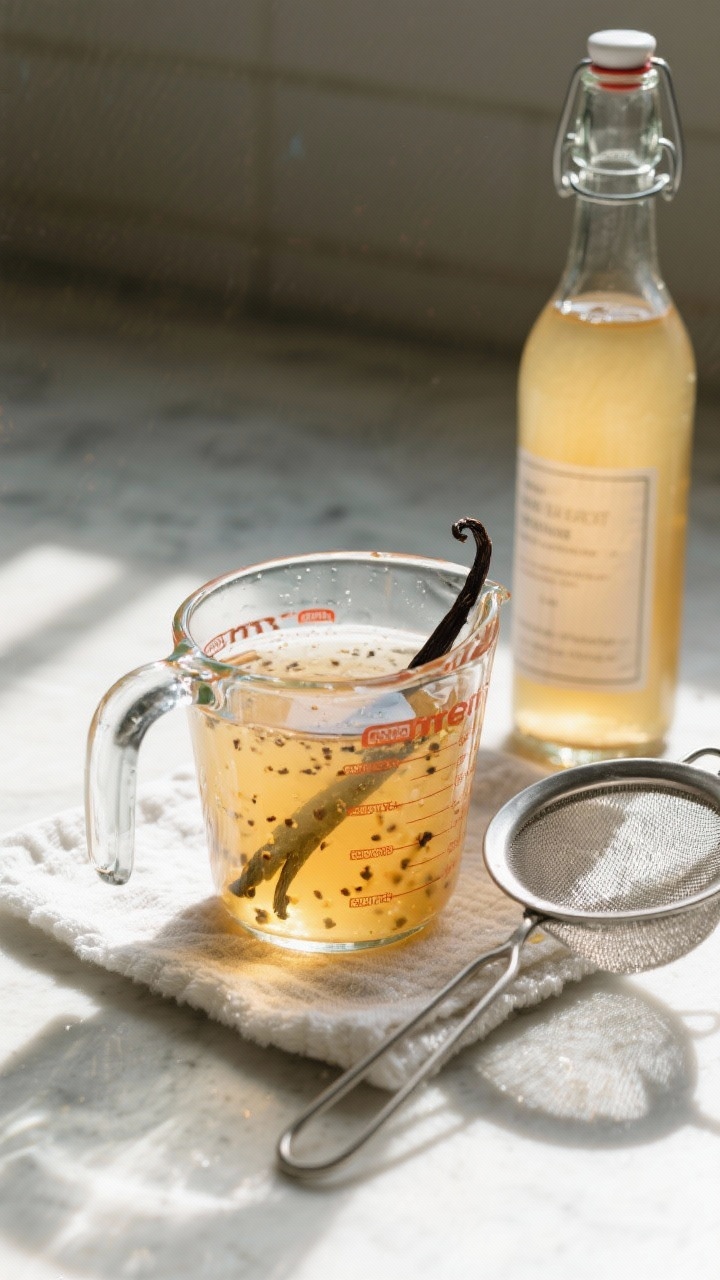
Cool completely. Strain out any solids and let the syrup cool to room temperature. This helps it thicken slightly and prevents condensation in the bottle.
-
Bottle it. Pour into a clean glass jar or squeeze bottle. Label with the date and any flavors used.
-
Use it. Start with 1–2 teaspoons per drink and adjust to taste.
For cocktails or iced drinks, this syrup blends instantly.
What Makes This Special
This sweetener is basically a smooth, pourable syrup that dissolves instantly. No gritty sugar at the bottom of your glass, and no strange aftertaste.
It works in coffee, tea, lemonade, cocktails, oatmeal, and baking. You can also tweak it: make it with honey or maple, swap in coconut sugar for a caramel note, or add vanilla and citrus for flavor. It’s a small kitchen upgrade that makes everyday drinks and desserts feel a bit more polished.
Shopping List
- Granulated sugar (or coconut sugar for a deeper flavor)
- Water (filtered if possible)
- Optional flavor boosters: vanilla extract, a strip of lemon or orange peel, cinnamon stick, fresh ginger slices, or a pinch of sea salt
- Optional alternatives: honey, maple syrup, or agave (for “simple syrup” style versions of natural sweeteners)
Step-by-Step Instructions
- Measure the base. Use equal parts sugar and water for classic simple syrup.
A good starting batch is 1 cup sugar to 1 cup water.
- Combine in a saucepan. Add sugar and water to a small pot and set over medium heat. Stir gently as it warms.
- Heat just until dissolved. Once the sugar fully dissolves and the liquid turns clear, remove from heat. There’s no need to boil vigorously.
- Flavor if you like. Add a cinnamon stick, citrus peel, a few ginger slices, or a splash of vanilla.
Let it steep for 10–15 minutes off the heat for subtle flavor.
- Cool completely. Strain out any solids and let the syrup cool to room temperature. This helps it thicken slightly and prevents condensation in the bottle.
- Bottle it. Pour into a clean glass jar or squeeze bottle. Label with the date and any flavors used.
- Use it. Start with 1–2 teaspoons per drink and adjust to taste.
For cocktails or iced drinks, this syrup blends instantly.
Keeping It Fresh
Store your syrup in the refrigerator. A classic 1:1 syrup lasts about 1 month. If you want a longer shelf life, make a rich syrup with a 2:1 sugar-to-water ratio; it typically lasts up to 3 months.
Always use a clean spoon to avoid contamination, and watch for cloudiness or off smells, which mean it’s time to make a fresh batch.
Health Benefits
Sweetener is still sugar, so moderation matters, but making it at home has a few perks. You control the ingredients, skip additives, and can reduce the overall sweetness by diluting slightly. If you choose honey or maple, you’ll get small amounts of minerals and antioxidants.
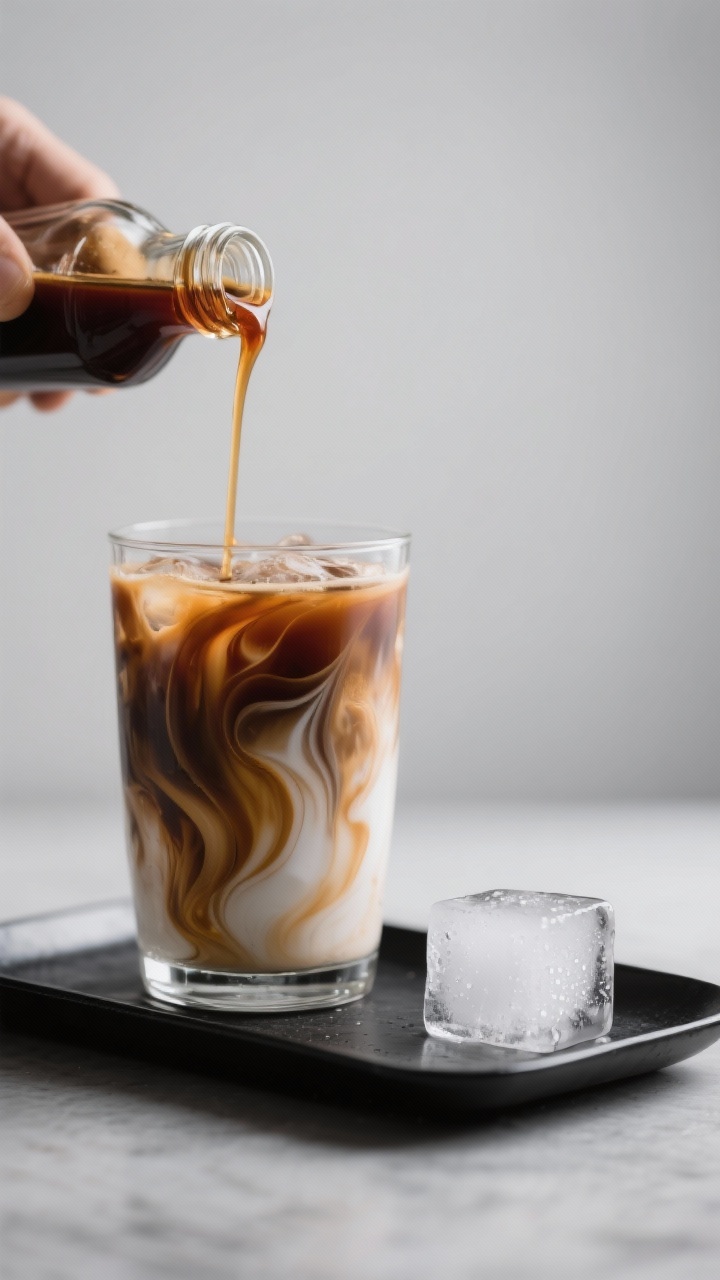
The biggest benefit is practical: because it dissolves easily, you can use less and still get the same sweetness in cold drinks.
What Not to Do
- Don’t boil aggressively. Hard boiling can darken the syrup and change the flavor unless you’re aiming for a more caramelized taste.
- Don’t add raw flavors to cold syrup and then store. Steep flavorings while warm, strain, and chill. Leaving solids in can shorten shelf life.
- Don’t skip labeling. Dating your jar helps you track freshness and avoid waste.
- Don’t assume all sweeteners swap 1:1. Honey, agave, and maple are sweeter than sugar; start with less.
Recipe Variations
- Rich Syrup (Longer-Lasting): 2 cups sugar to 1 cup water. Slightly thicker and ideal for cocktails and iced lattes.
- Honey Syrup: 1 cup honey to 1 cup water.
Milder and easier to mix than straight honey. Great for tea and whiskey cocktails.
- Maple Syrup (Thinned): 1 cup maple syrup to 1/2 cup water. Keeps the maple flavor but pours and mixes more easily.
- Vanilla Bean Syrup: Split 1 vanilla bean and simmer gently with the base.
Steep 15 minutes and strain. Lovely in cold brew and hot cocoa.
- Citrus-Ginger Syrup: Add 3–4 ginger slices and a strip of lemon peel while the syrup cools. Bright and zesty for sparkling water.
- Cinnamon Brown Sugar Syrup: Swap in brown sugar and add a cinnamon stick.
Perfect for chai, oatmeal, and fall lattes.
- Coconut Sugar Syrup: Use coconut sugar for a toasty, caramel note. Tastes great in iced coffee and mocktails.
- Low-Sugar Light Syrup: 1/2 cup sugar to 1 cup water for a lighter touch. You’ll use more per serving, but total sugar per drink can be lower.
FAQ
Can I make this without heating?
Yes.
You can shake sugar and water in a jar until dissolved, but it takes longer and may not be as clear. Gentle heat speeds things up and helps flavors infuse evenly.
Is this the same as simple syrup?
Essentially, yes. A 1:1 sugar-to-water simple syrup is the most common form of homemade sweetener for drinks and desserts.
How much should I use in coffee or tea?
Start with 1 teaspoon for an 8-ounce cup and adjust to taste.
Because it mixes instantly, you can fine-tune sweetness one splash at a time.
Can I use zero-calorie sweeteners?
You can make a syrup with erythritol, allulose, or stevia blends. Allulose dissolves well and stays clear. Erythritol can crystallize as it cools, so add a splash of glycerin or a little allulose to help prevent crystals.
Why did my syrup get cloudy?
Cloudiness usually means contamination or oversteeping flavorings.
Strain thoroughly, store in a clean bottle, and keep it chilled. If it smells off, discard it.
Can I freeze it?
You can freeze in ice cube trays for long-term storage. Thaw in the fridge and use within a week.
Freezing may slightly change texture but won’t affect sweetness.
What’s the best bottle for storage?
A glass jar with a tight lid or a squeeze bottle with a cap works well. Sterilize with hot water first, and let it dry completely before filling.
Wrapping Up
Homemade sweetener is quick, reliable, and endlessly adaptable. With a few pantry staples and five minutes on the stove, you’ll have a smooth, pourable syrup that lifts everything from morning coffee to weekend cocktails.
Keep a jar in the fridge, switch up the flavors when you feel like it, and enjoy a cleaner, more consistent way to sweeten your day.

Printable Recipe Card
Want just the essential recipe details without scrolling through the article? Get our printable recipe card with just the ingredients and instructions.