
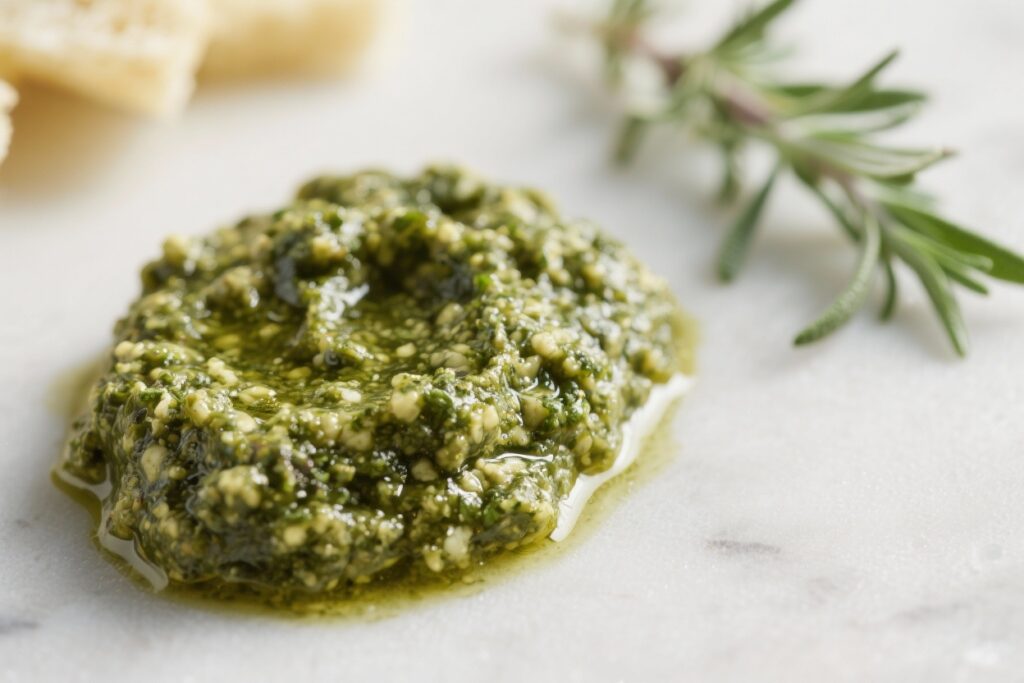
Oregano pesto is a lively twist on the classic basil version, and it brings a bold, peppery character that wakes up any dish. If you love Mediterranean flavors, this sauce will be right up your alley—earthy, fragrant, and a little spicy in the best way. It’s fast to make, endlessly versatile, and surprisingly affordable when oregano is in season.
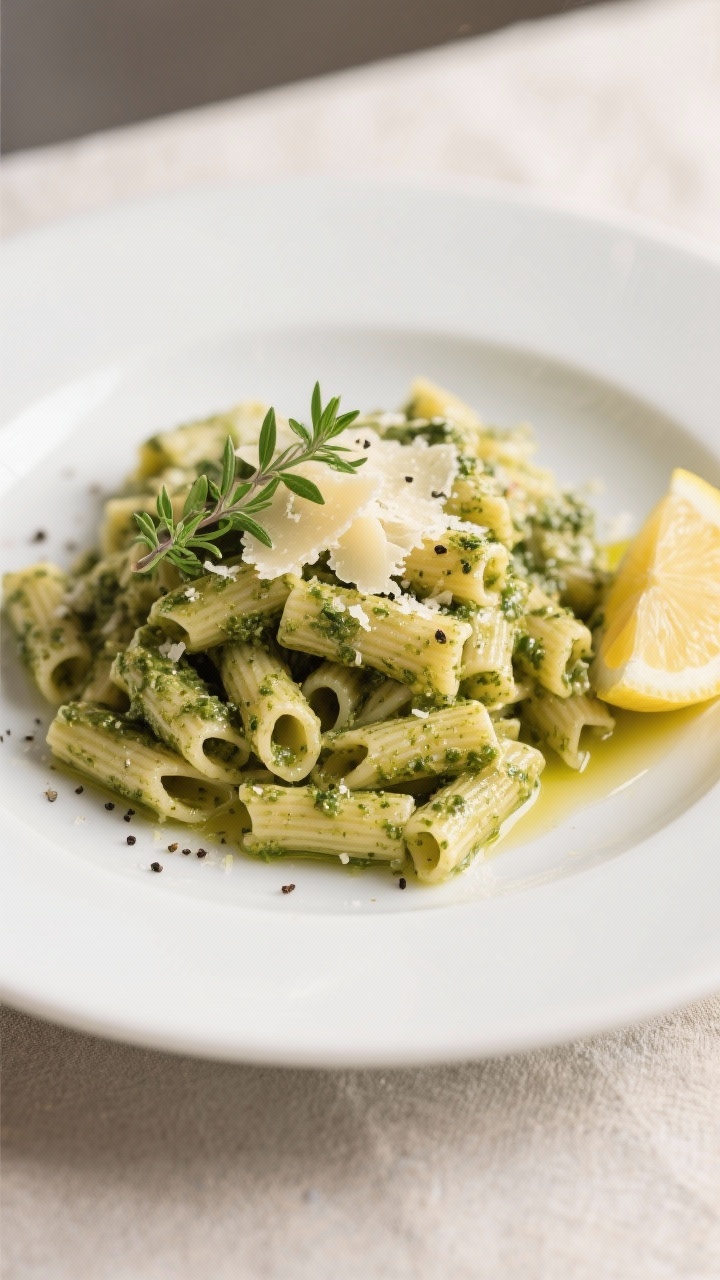
Toss it with pasta, spoon it over grilled chicken, or swirl it onto roasted vegetables. Once you try it, you’ll find yourself reaching for it all week long.
Ingredients
Method
-
Prep the herbs: Strip oregano leaves from the stems.
Do the same with parsley. Rinse and dry thoroughly—excess water can thin your pesto.
-
Toast the nuts: In a dry skillet over medium heat, toast pine nuts, walnuts, or almonds until fragrant and lightly golden, 3–4 minutes. Let them cool.
-
Start the base: In a food processor, add the cooled nuts, garlic, lemon zest, and half the cheese.
Pulse until finely chopped.
-
Add the greens: Add oregano and parsley. Pulse several times until the mixture looks finely minced but not pureed.
-
Stream in oil: With the machine running, slowly drizzle in 1/2 cup olive oil. Stop and scrape down the sides.
If you prefer a looser pesto, add more oil, a tablespoon at a time.
-
Finish and season: Add lemon juice, remaining cheese, a pinch of salt, and a few grinds of pepper. Pulse to combine. Taste and adjust—more lemon for brightness, more cheese for body, or a splash more oil for silkiness.
-
Optional kick: Pulse in red pepper flakes for gentle heat.
If you want extra complexity, add a few basil leaves or a couple of capers.
-
Serve or store: Use right away, or spoon into a jar and top with a thin layer of olive oil to preserve color.
Why This Recipe Works

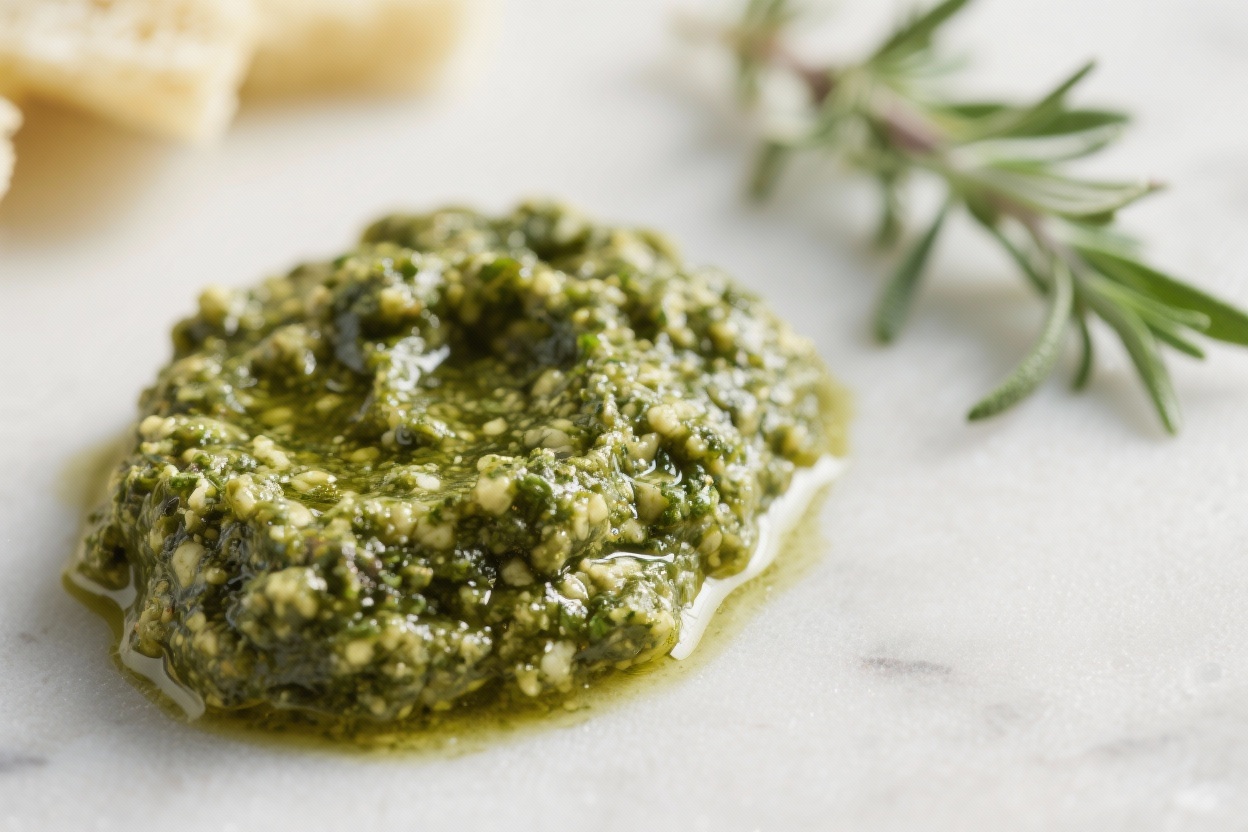
This pesto leans into fresh oregano’s robust flavor while keeping the texture creamy and spoonable. A blend of oregano and parsley balances bitterness and adds freshness, so the sauce stays bright rather than harsh.
Toasted nuts bring warmth and depth, while lemon juice and zest sharpen the edges and keep the flavor lively. A restrained amount of garlic adds punch without overwhelming the herbs. Finally, good extra-virgin olive oil ties everything together for a silky finish.
Shopping List
- Fresh oregano (1 cup, packed leaves) – the star herb, stems removed
- Fresh flat-leaf parsley (1 cup, packed) – balances the intensity of oregano
- Grated Parmesan or Pecorino Romano (1/2 cup) – for savory depth
- Toasted nuts (1/3 cup) – pine nuts are classic; walnuts or almonds work well
- Garlic (1–2 small cloves) – adjust to taste
- Lemon (zest and 1–2 tablespoons juice) – brightness and balance
- Extra-virgin olive oil (1/2–3/4 cup) – choose a mild, fruity variety
- Salt and freshly ground black pepper
- Optional add-ins: a pinch of red pepper flakes, a few basil leaves, or a spoonful of capers
Instructions

- Prep the herbs: Strip oregano leaves from the stems.
Do the same with parsley. Rinse and dry thoroughly—excess water can thin your pesto.
- Toast the nuts: In a dry skillet over medium heat, toast pine nuts, walnuts, or almonds until fragrant and lightly golden, 3–4 minutes. Let them cool.
- Start the base: In a food processor, add the cooled nuts, garlic, lemon zest, and half the cheese.
Pulse until finely chopped.
- Add the greens: Add oregano and parsley. Pulse several times until the mixture looks finely minced but not pureed.
- Stream in oil: With the machine running, slowly drizzle in 1/2 cup olive oil. Stop and scrape down the sides.
If you prefer a looser pesto, add more oil, a tablespoon at a time.
- Finish and season: Add lemon juice, remaining cheese, a pinch of salt, and a few grinds of pepper. Pulse to combine. Taste and adjust—more lemon for brightness, more cheese for body, or a splash more oil for silkiness.
- Optional kick: Pulse in red pepper flakes for gentle heat.
If you want extra complexity, add a few basil leaves or a couple of capers.
- Serve or store: Use right away, or spoon into a jar and top with a thin layer of olive oil to preserve color.
Keeping It Fresh
Oregano pesto will keep in the fridge for up to 5–7 days if stored in an airtight container with a protective layer of oil on top. This thin seal blocks oxygen and helps prevent browning. For longer storage, freeze in ice cube trays, then transfer the cubes to a freezer bag.
Frozen, it keeps its flavor for 2–3 months. To thaw, place a cube in a bowl at room temperature or warm gently in a pan with a splash of pasta water.
Health Benefits
Oregano is more than a flavor bomb—it’s rich in antioxidants and contains compounds like carvacrol and thymol, which have antimicrobial and anti-inflammatory properties. Parsley adds vitamin K and vitamin C, supporting bone and immune health.
Olive oil provides heart-healthy monounsaturated fats and polyphenols. Walnuts or almonds contribute fiber and healthy fats, while Parmesan offers protein and calcium. Used in moderation, this pesto fits well into a balanced, Mediterranean-style diet.
Pitfalls to Watch Out For
- Too bitter: Oregano can taste intense.
Balance with parsley and lemon, and avoid overprocessing, which can bring out bitterness.
- Overpowering garlic: Start with one small clove. You can always add more, but you can’t take it out.
- Watery texture: Dry your herbs thoroughly. Water dilutes flavor and makes the sauce thin.
- Greasy mouthfeel: Use a mild, high-quality olive oil and add it gradually.
Stop when the texture turns silky.
- Flat flavor: Don’t forget salt, lemon juice, and zest. A pinch of salt and a squeeze of lemon can transform a dull batch.
Variations You Can Try
- Oregano-Walnut Pesto: Earthy and robust, great for grilled steak or mushrooms.
- Oregano-Almond Pesto: Slightly sweeter, lovely with roasted carrots or chicken.
- Dairy-Free: Skip the cheese and add 1–2 tablespoons nutritional yeast for savory depth.
- Spicy Calabrian Style: Add a teaspoon of Calabrian chili paste or red pepper flakes for heat.
- Lemony Greek Twist: Stir in a spoonful of capers and a touch of lemon zest to echo Greek flavors.
- Herb Blend: Swap half the oregano for basil or mint if you want a gentler, more aromatic profile.
- Chunky Rustic: Chop everything by hand for a textured, oil-dressed spread that’s great on crostini.
FAQ
Can I use dried oregano?
Fresh oregano is essential here. Dried oregano is too concentrated and can taste dusty in a raw sauce.
If fresh isn’t available, use part basil or parsley and save dried oregano for cooked dishes.
What pasta shapes work best?
Short shapes with nooks and crannies—like fusilli, gemelli, or orecchiette—grab onto pesto beautifully. Long strands like spaghetti also work, especially with a splash of starchy pasta water to help the sauce cling.
How do I fix a bitter pesto?
Add a bit more parsley, a squeeze of lemon juice, and a pinch of salt. You can also mellow bitterness by blending in a tablespoon of ricotta or a touch more Parmesan.
Is there a nut-free option?
Yes.
Use toasted pumpkin seeds or sunflower seeds for similar richness and texture. They also add a pleasant nuttiness without allergens.
Can I make it without a food processor?
Absolutely. Use a mortar and pestle for a classic approach or chop everything very finely with a sharp knife.
Slowly work in the oil until it reaches a cohesive, spoonable consistency.
How much garlic should I use?
Start with one small clove. Taste and adjust. Oregano is potent, and too much garlic can bulldoze the balance.
What else can I do with oregano pesto besides pasta?
Spread it on sandwiches, swirl into soups, drizzle over grilled fish or chicken, toss with roasted potatoes, or use as a vibrant pizza base.
It’s also great spooned over creamy beans or folded into warm grains.
Should I blanch the herbs?
Not necessary. Blanching can preserve color but it also softens flavor. As long as you dry the herbs well and store the pesto with an oil layer, the color stays bright enough.
Which cheese is better: Parmesan or Pecorino?
Parmesan gives a nutty, mellow richness; Pecorino is saltier and sharper.
Use what you have, or mix them for a best-of-both-worlds flavor.
How much salt should I add?
Start with a small pinch, then taste after adding cheese and lemon. Cheese is salty, so it’s easy to oversalt early. Adjust at the very end.
Final Thoughts
Oregano pesto is bold, fresh, and wonderfully adaptable.
It takes minutes to make and can transform simple meals into something special. Keep a jar in your fridge, and you’ll have an instant upgrade for pasta, grilled proteins, and vegetables. Trust your taste buds, season thoughtfully, and enjoy the bright, herb-forward character that makes this pesto stand out.

Printable Recipe Card
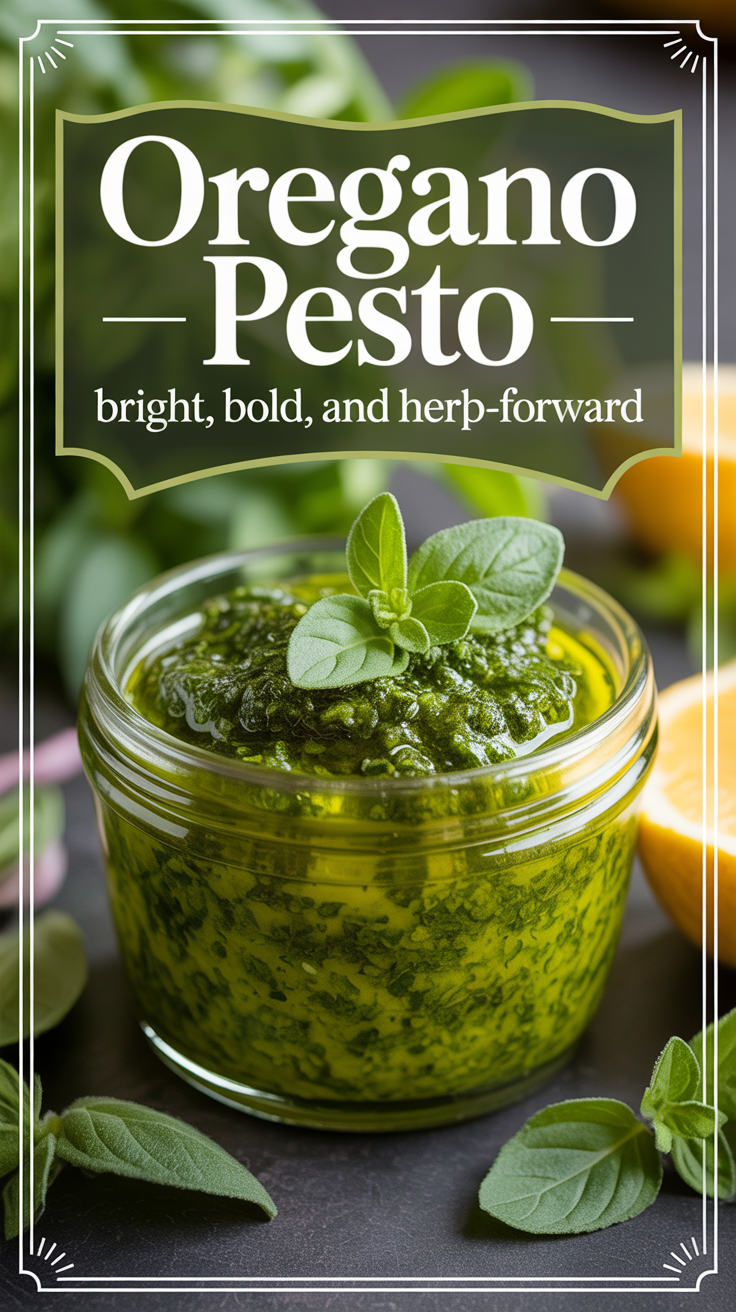
Want just the essential recipe details without scrolling through the article? Get our printable recipe card with just the ingredients and instructions.