
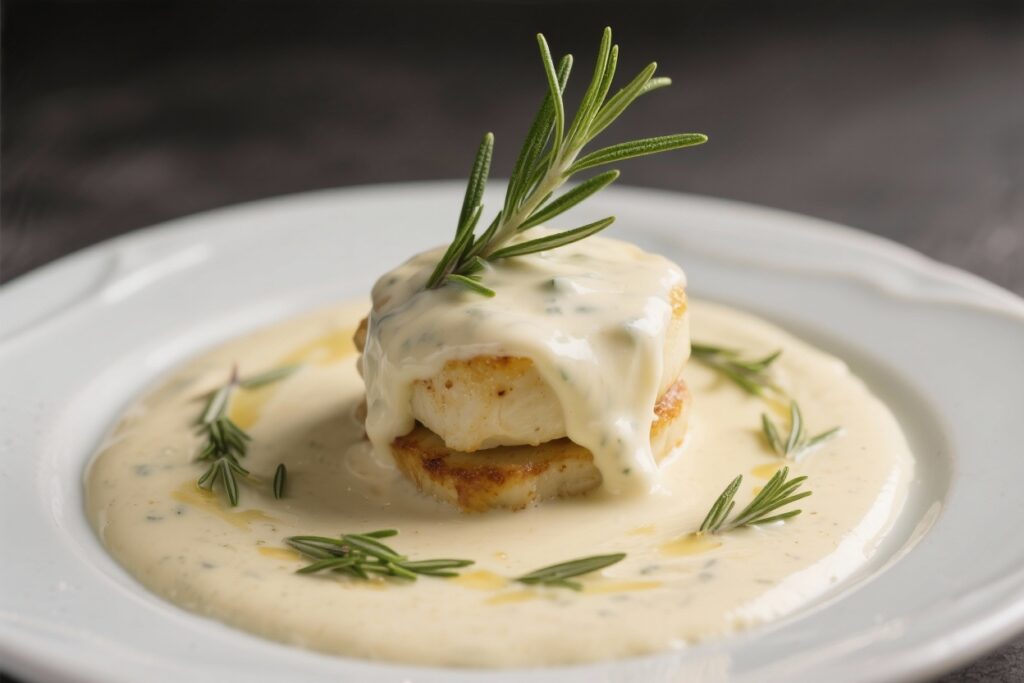
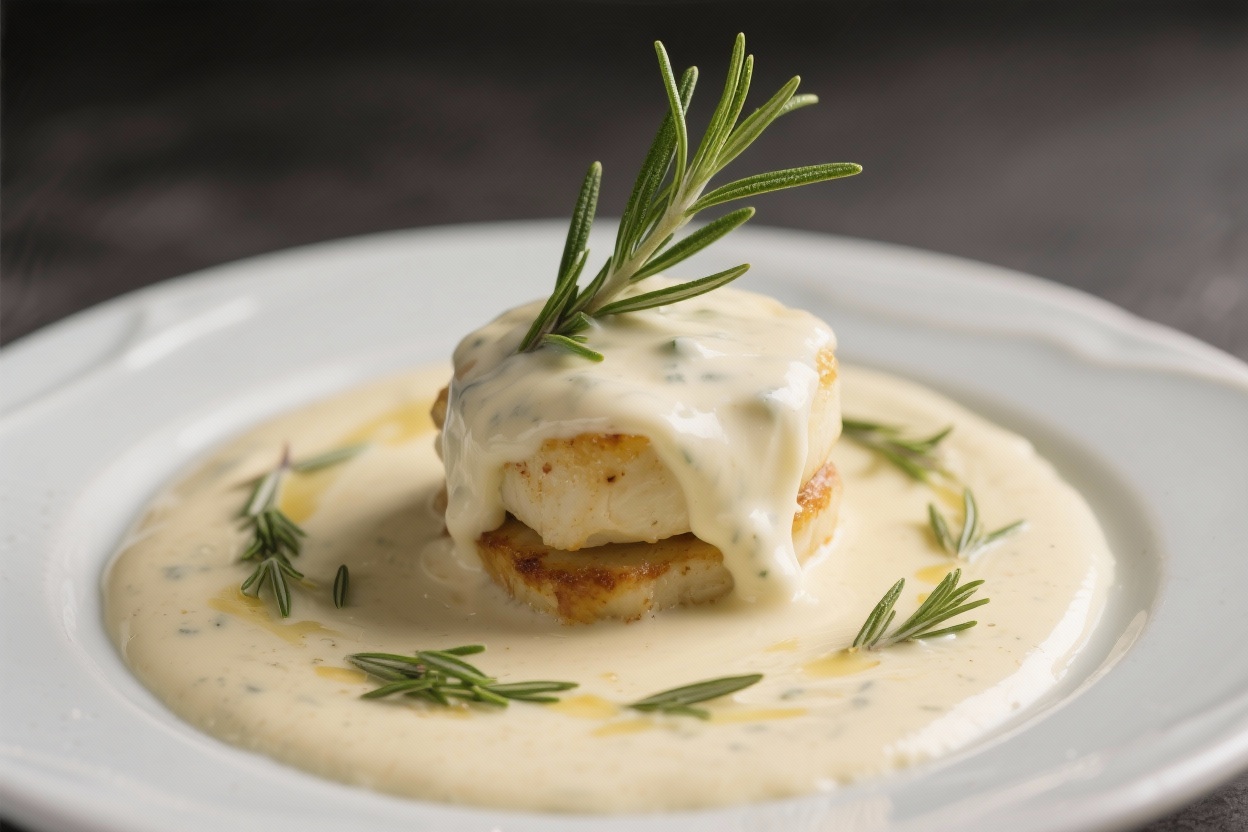
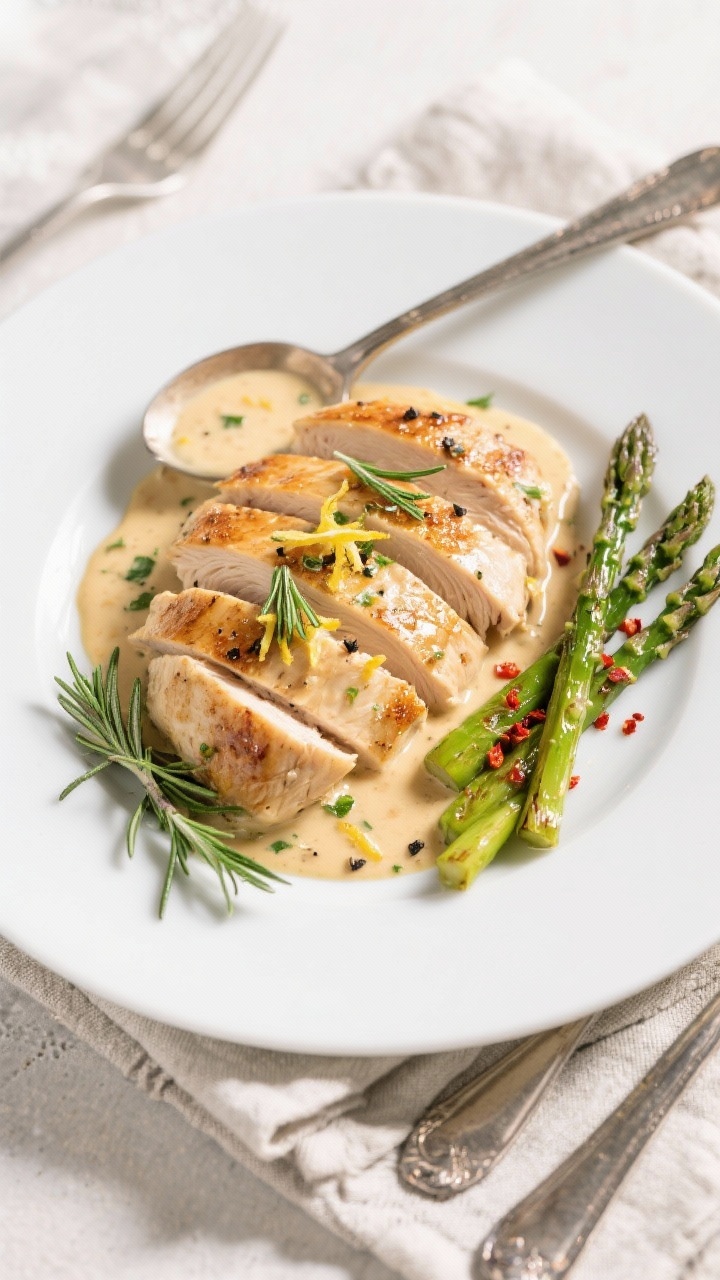
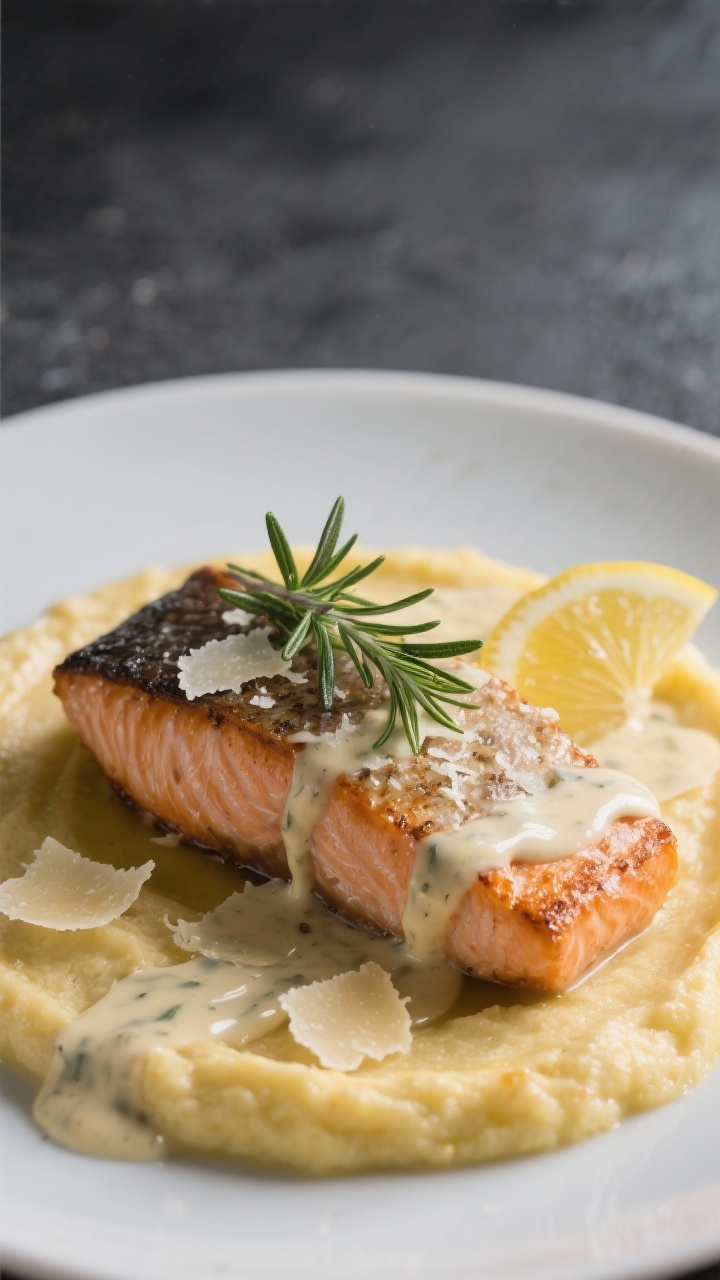
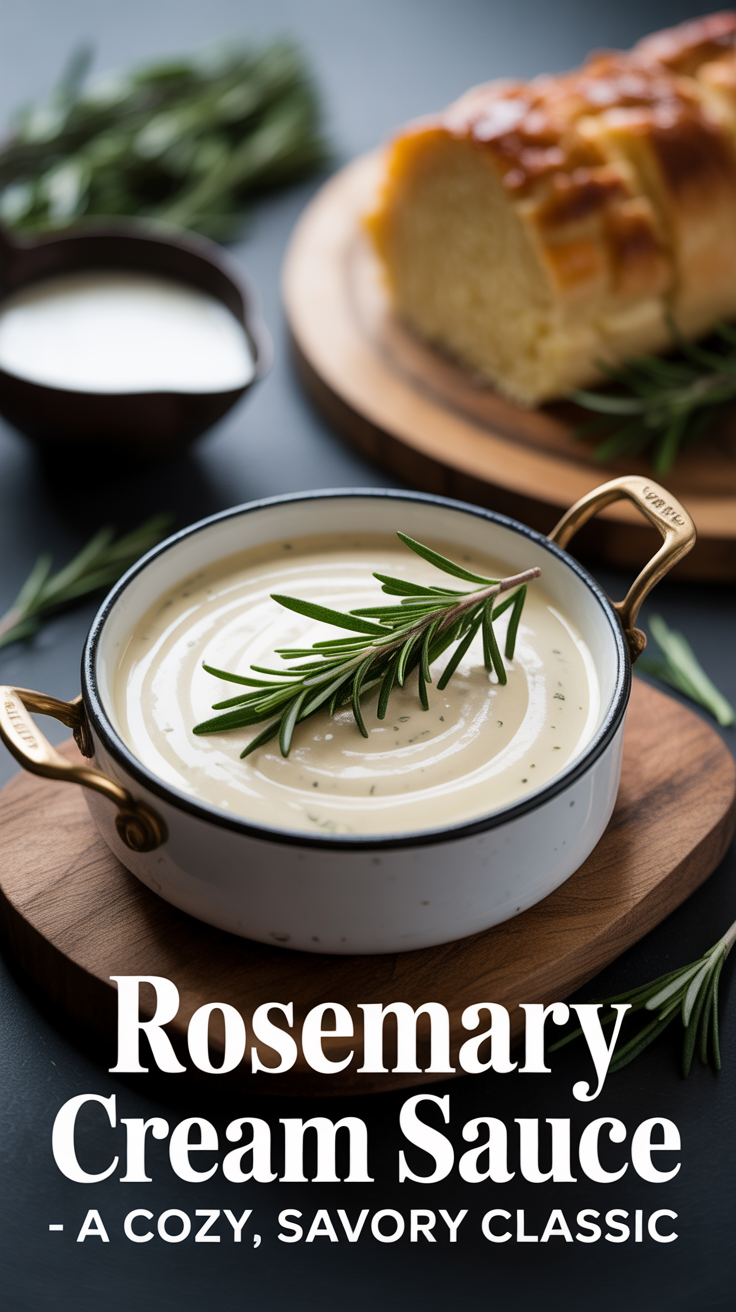
This rosemary cream sauce is the kind of thing that makes a simple dinner feel special. It’s rich, silky, and fragrant with fresh rosemary, garlic, and a touch of lemon to keep it bright. Spoon it over chicken, steak, salmon, or roasted vegetables, and you’ve got instant comfort.
It also happens to be easy and fast—about 15 minutes on the stove. If you love simple, bold flavors, this sauce will become a weeknight favorite.
Ingredients
Method
-
Warm the pan: Set a medium skillet over medium heat. Add butter and olive oil.
When the butter melts and foams, you’re ready to cook.
-
Sauté the aromatics: Add garlic and rosemary. Cook 30–45 seconds, stirring, until fragrant. Do not brown the garlic, or it will taste bitter.
-
Deglaze with wine: Pour in the white wine. Let it bubble for 1–2 minutes, scraping up any browned bits.
Reduce by about half.
-
Add liquids: Stir in the heavy cream and broth. Bring to a gentle simmer. Keep the heat on medium-low; a soft simmer is key for a silky texture.
-
Season and thicken: Whisk in Dijon, lemon zest, and a pinch of salt and pepper.
If using, add Parmesan and stir until melted. Simmer 3–5 minutes, stirring occasionally, until slightly thickened and glossy.
-
Finish with lemon: Add lemon juice to taste. The acidity brightens the rich cream and rosemary.
Adjust salt and pepper as needed. Add red pepper flakes if you like a little heat.
-
Serve: Spoon over your protein or vegetables. Garnish with a pinch of chopped fresh rosemary and extra cracked pepper.
What Makes This Recipe So Good
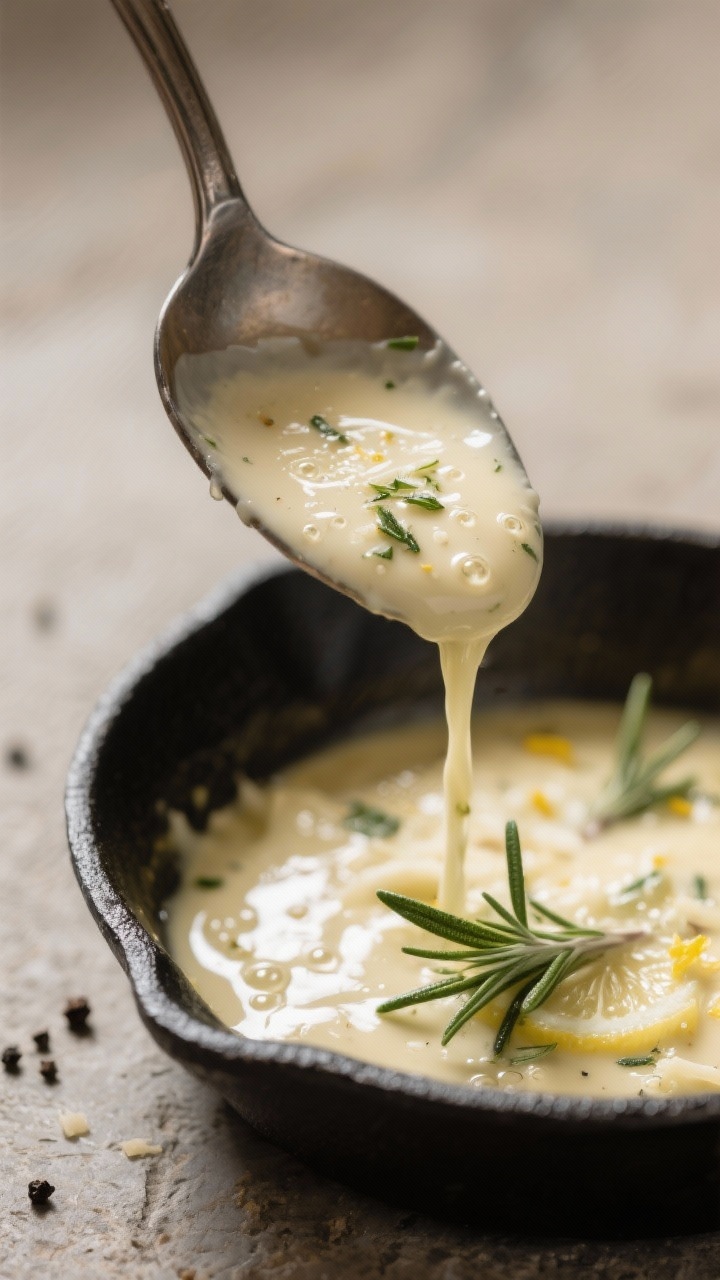
- Big flavor, little effort: You only need a handful of ingredients and a single pan.
- Fresh rosemary shines: The herb’s piney, woodsy notes pair beautifully with cream.
- Versatile: Perfect for chicken, steak, pork chops, salmon, shrimp, pasta, or roasted veggies.
- Balanced richness: A splash of lemon and a touch of white wine keep the sauce from feeling heavy.
- Make-ahead friendly: It reheats well and thickens nicely, which is great for meal prep.
Ingredients
- 2 tablespoons unsalted butter
- 1 tablespoon olive oil
- 3 cloves garlic, minced
- 1 tablespoon fresh rosemary, finely chopped (plus more for garnish)
- 1/2 cup dry white wine (or low-sodium chicken broth)
- 1 cup heavy cream
- 1/2 cup chicken or vegetable broth
- 1 teaspoon Dijon mustard
- 1/2 teaspoon lemon zest
- 1–2 teaspoons fresh lemon juice, to taste
- 1/4 cup grated Parmesan (optional, for extra body and umami)
- Salt and freshly ground black pepper, to taste
- Pinch of red pepper flakes (optional)
How to Make It
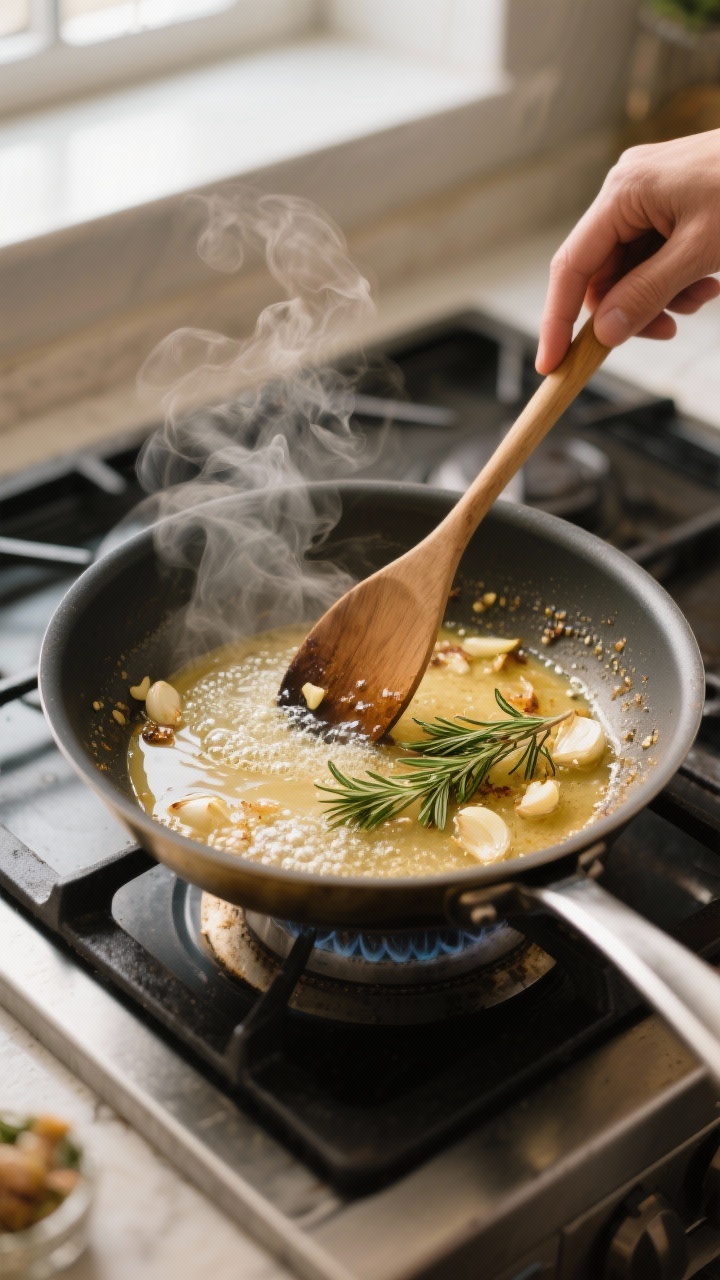
- Warm the pan: Set a medium skillet over medium heat. Add butter and olive oil.
When the butter melts and foams, you’re ready to cook.
- Sauté the aromatics: Add garlic and rosemary. Cook 30–45 seconds, stirring, until fragrant. Do not brown the garlic, or it will taste bitter.
- Deglaze with wine: Pour in the white wine. Let it bubble for 1–2 minutes, scraping up any browned bits.
Reduce by about half.
- Add liquids: Stir in the heavy cream and broth. Bring to a gentle simmer. Keep the heat on medium-low; a soft simmer is key for a silky texture.
- Season and thicken: Whisk in Dijon, lemon zest, and a pinch of salt and pepper.
If using, add Parmesan and stir until melted. Simmer 3–5 minutes, stirring occasionally, until slightly thickened and glossy.
- Finish with lemon: Add lemon juice to taste. The acidity brightens the rich cream and rosemary.
Adjust salt and pepper as needed. Add red pepper flakes if you like a little heat.
- Serve: Spoon over your protein or vegetables. Garnish with a pinch of chopped fresh rosemary and extra cracked pepper.
How to Store
- Refrigerator: Cool completely, then transfer to an airtight container.
Store up to 4 days.
- Freezer: Cream sauces can separate when frozen. If you must freeze, do so for up to 1 month. Reheat gently and whisk to bring it back together.
- Reheating: Warm slowly over low heat on the stove, stirring often.
Add a splash of broth or cream to loosen if it’s too thick.
Why This is Good for You
- Rosemary has antioxidants: This herb contains beneficial compounds that support overall wellness.
- Protein pairing: Using the sauce on lean proteins like chicken, turkey, or fish creates a balanced meal.
- Satiety from healthy fats: The cream and olive oil help you feel full and satisfied, which can help prevent overeating.
- Control over ingredients: Homemade sauce means less sodium and no additives compared to store-bought versions.
Pitfalls to Watch Out For
- Overheating the cream: Boiling can cause separation or a greasy texture. Keep the simmer gentle.
- Burning the garlic: It goes from fragrant to bitter quickly. Stir and keep the heat moderate.
- Too much rosemary: The flavor is potent.
Measure it and chop it finely to avoid woody bites.
- Skipping acidity: Without lemon or a splash of wine, the sauce can taste flat. Balance is everything.
- Under-seasoning: Taste as you go and season at the end. Cream mutes flavors more than you think.
Variations You Can Try
- Mushroom Rosemary Cream: Sauté 1 cup sliced cremini or button mushrooms before adding garlic and rosemary.
Great over steak or pasta.
- Shallot and Rosemary: Add 1 finely minced shallot with the garlic for a sweeter, more complex base.
- Lighter Version: Use half-and-half instead of cream and simmer longer to thicken. Add 1 teaspoon cornstarch mixed with 2 teaspoons water if needed.
- Dairy-Free: Use full-fat coconut milk and olive oil. Swap Parmesan for nutritional yeast.
Flavor will be slightly sweeter; add extra lemon to balance.
- Cheesy Twist: Stir in grated Pecorino Romano for a sharper finish. Reduce added salt.
- Peppery Kick: Add 1 teaspoon crushed pink peppercorns or a pinch of red pepper flakes for gentle heat.
- Herb Blend: Combine rosemary with thyme or sage (use less sage; it’s strong) for a deeper herbal profile.
- Pan Sauce Shortcut: After searing chicken or pork chops, build the sauce in the same pan to capture flavorful drippings.
FAQ
Can I use dried rosemary?
Yes, but use less. Dried herbs are more concentrated.
Use 1 teaspoon dried rosemary instead of 1 tablespoon fresh, and crumble it between your fingers to release the oils.
What can I use instead of white wine?
Chicken or vegetable broth works well. Add an extra squeeze of lemon for brightness since you’re losing the acidity from the wine.
How do I make the sauce thicker?
Simmer a bit longer to reduce, or whisk in 1 teaspoon cornstarch mixed with 2 teaspoons cold water and cook until it reaches your desired consistency.
Can I make it ahead?
Yes. Make the sauce, cool, and refrigerate up to 4 days.
Reheat gently over low heat and whisk. Add a splash of cream or broth if it thickens too much.
Which proteins pair best?
Chicken breasts or thighs, pork chops, salmon, shrimp, and steak all work beautifully. It’s also excellent with gnocchi or roasted cauliflower.
What if I don’t have Dijon mustard?
You can skip it, but it adds subtle tang and helps the sauce emulsify.
If you have whole-grain mustard, use half the amount.
Can I make it without Parmesan?
Absolutely. The sauce will still be silky and flavorful. Taste and add a touch more salt and lemon to balance.
Will this sauce curdle with lemon?
Not if you add lemon at the end and avoid high heat.
Stir it in off the heat or at a very gentle simmer.
In Conclusion
This rosemary cream sauce delivers comforting richness with clean, bright flavors. It’s quick to make, easy to customize, and elevates simple meals without complicating your night. Keep fresh rosemary on hand, stock a bit of cream, and you’re minutes away from a restaurant-quality finish.
Once you try it on your favorite protein or pasta, you’ll want to make it again and again.
Printable Recipe Card
Want just the essential recipe details without scrolling through the article? Get our printable recipe card with just the ingredients and instructions.