
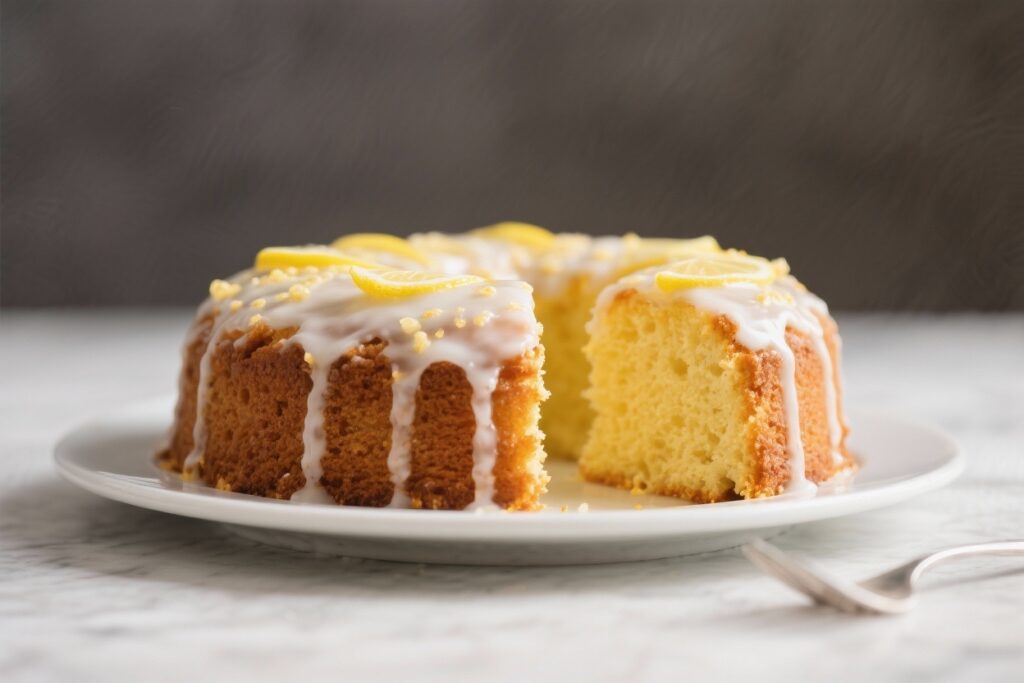
This lemon drizzle cake brings simple joy in every slice. It’s soft, buttery, and soaked with a sharp lemon syrup that keeps it tender for days. If you love a dessert that’s sweet but not heavy, this one hits the mark.
It’s easy enough for a weekday bake and special enough for a weekend treat. You’ll get big lemon flavor without complicated steps or fancy tools.

Ingredients
Method
-
Prep the pan and oven. Heat the oven to 350°F (175°C). Line a 9×5-inch loaf pan with parchment, leaving overhang on the long sides for easy lifting.
Lightly grease the sides and parchment.
-
Mix dry ingredients. In a bowl, whisk flour, baking powder, and salt. Set aside. This keeps the lift even and prevents clumps.
-
Beat butter and sugar. In a large bowl, beat softened butter with granulated sugar for 3–4 minutes until pale and fluffy.
This step creates air, which means a lighter crumb.
-
Add lemon zest and eggs. Finely grate the zest of 2–3 lemons straight into the bowl. Beat in eggs one at a time, scraping the bowl after each. If the mixture looks slightly curdled, don’t worry—it will smooth out when you add flour.
-
Fold in dry ingredients. Add the flour mixture in two parts, mixing on low or folding by hand just until combined.
If the batter seems very thick, mix in 2–3 tablespoons of milk or yogurt to loosen it. The batter should be soft and spoonable, not runny.
-
Fill and level. Spoon the batter into the prepared pan and smooth the top. For an even crack, run a buttered knife or spatula down the center of the batter.
-
Bake. Bake 45–55 minutes, until the top is golden and a skewer comes out clean or with a few moist crumbs.
If it browns too fast, tent loosely with foil for the last 10 minutes.
-
Make the drizzle. While the cake bakes, stir together 1/2 cup sugar and 1/3 cup fresh lemon juice until the sugar starts to dissolve. No need to cook it.
-
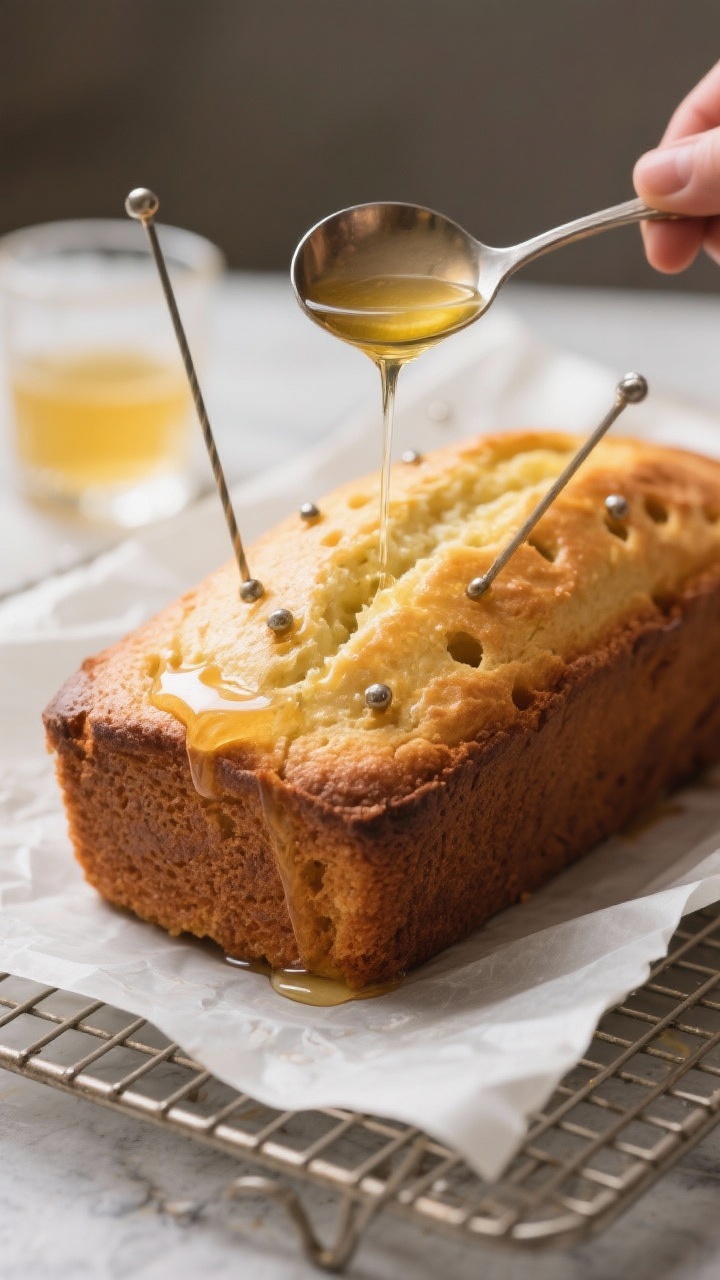
Drizzle while warm. Let the cake cool in the pan for 10 minutes. Poke holes all over the top with a skewer or toothpick.
Slowly spoon the lemon syrup over the cake, letting it soak in. Use all the syrup for maximum zing.
-
Cool completely. Once the syrup has absorbed, lift the cake out and cool on a rack. If using the optional glaze, whisk powdered sugar with lemon juice and drizzle over the cooled cake for a glossy finish.
What Makes This Special
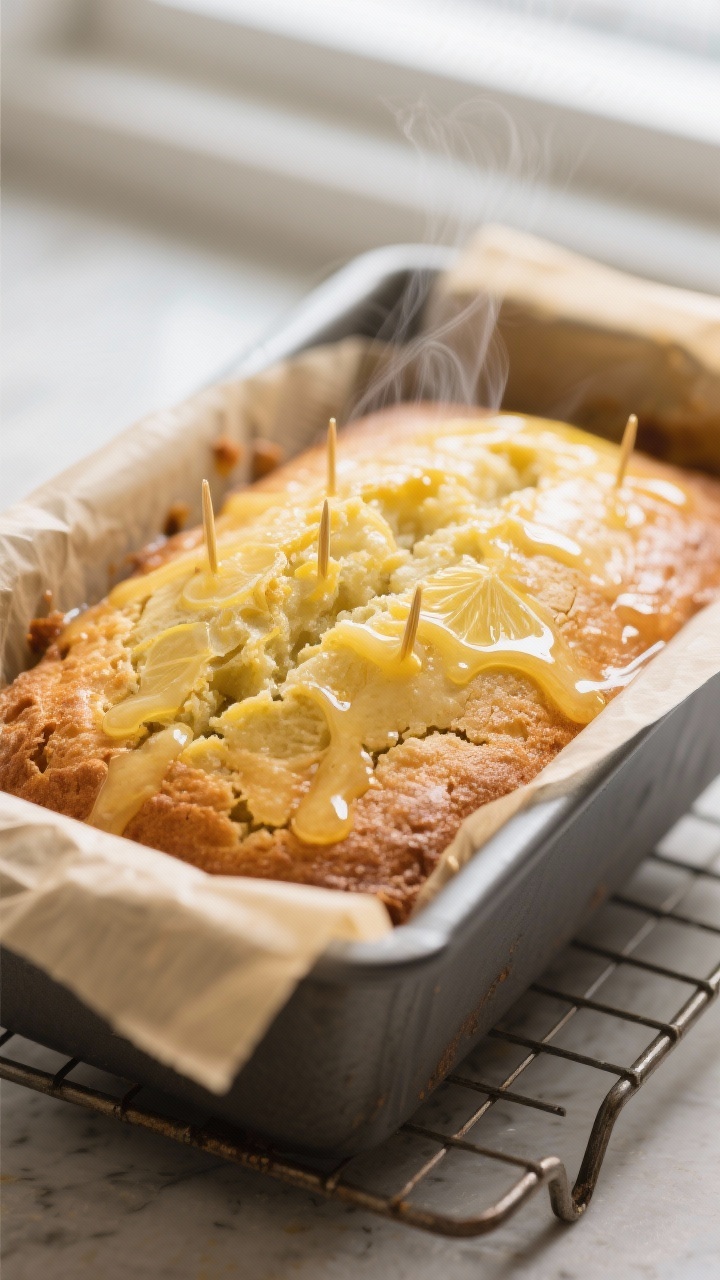
This cake is all about balance. You get a delicate crumb from creamed butter and sugar, plus a clean, bright zing from fresh lemon.
The drizzle sinks into the warm cake, so every bite tastes vibrant, not just the edges. It’s also a forgiving recipe—great for beginners and satisfying for experienced bakers.
There’s no frosting to fuss over. Instead, a quick syrup does the work, giving gloss, moisture, and flavor.
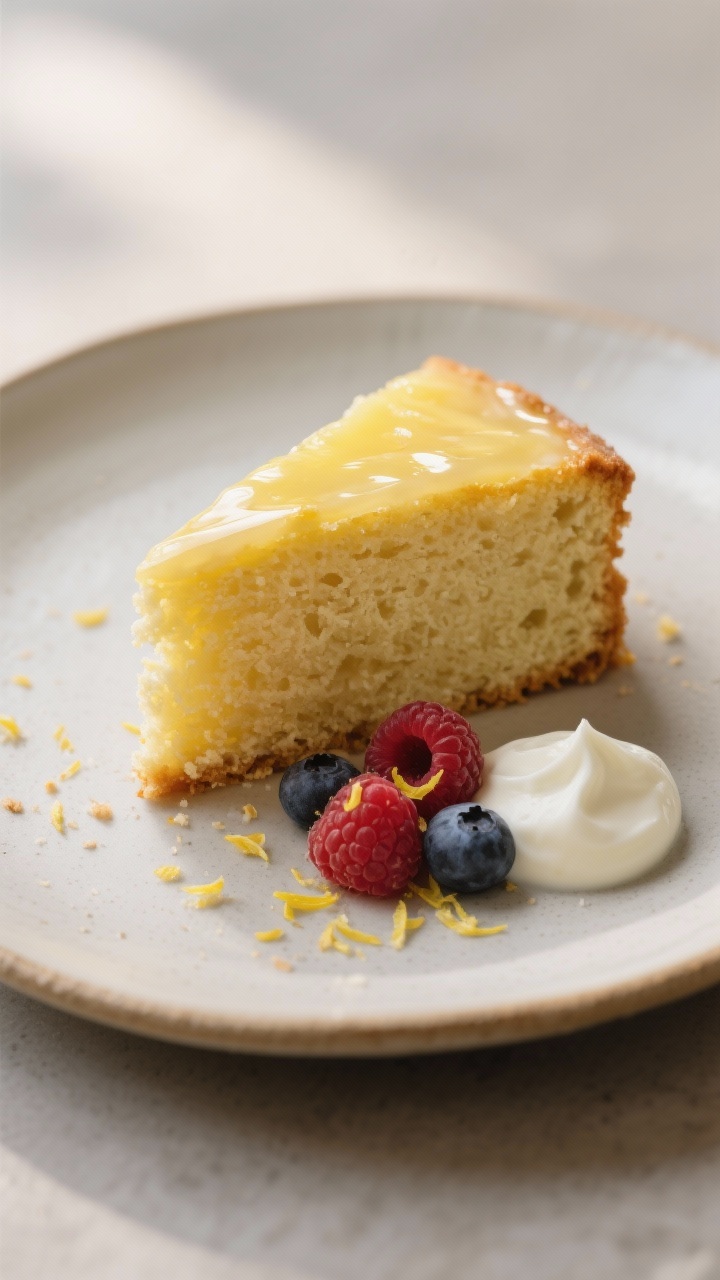
Serve it plain, with berries, or a dollop of yogurt. It’s classic, quick, and always crowd-pleasing.
What You’ll Need
- Unsalted butter (softened): 1 cup (225 g)
- Granulated sugar: 1 cup (200 g)
- Lemons: 3 medium (you’ll use zest and juice)
- Large eggs: 4, at room temperature
- All-purpose flour: 2 cups (250 g)
- Baking powder: 2 teaspoons
- Fine salt: 1/2 teaspoon
- Whole milk or plain yogurt: 2–3 tablespoons
- For the lemon drizzle: 1/2 cup (100 g) granulated sugar + 1/3 cup (80 ml) fresh lemon juice
- Optional glaze for a glossy top: 3/4 cup (90 g) powdered sugar + 1–2 tablespoons lemon juice
How to Make It

- Prep the pan and oven. Heat the oven to 350°F (175°C). Line a 9×5-inch loaf pan with parchment, leaving overhang on the long sides for easy lifting.
Lightly grease the sides and parchment.
- Mix dry ingredients. In a bowl, whisk flour, baking powder, and salt. Set aside. This keeps the lift even and prevents clumps.
- Beat butter and sugar. In a large bowl, beat softened butter with granulated sugar for 3–4 minutes until pale and fluffy.
This step creates air, which means a lighter crumb.
- Add lemon zest and eggs. Finely grate the zest of 2–3 lemons straight into the bowl. Beat in eggs one at a time, scraping the bowl after each. If the mixture looks slightly curdled, don’t worry—it will smooth out when you add flour.
- Fold in dry ingredients. Add the flour mixture in two parts, mixing on low or folding by hand just until combined.
If the batter seems very thick, mix in 2–3 tablespoons of milk or yogurt to loosen it. The batter should be soft and spoonable, not runny.
- Fill and level. Spoon the batter into the prepared pan and smooth the top. For an even crack, run a buttered knife or spatula down the center of the batter.
- Bake. Bake 45–55 minutes, until the top is golden and a skewer comes out clean or with a few moist crumbs.
If it browns too fast, tent loosely with foil for the last 10 minutes.
- Make the drizzle. While the cake bakes, stir together 1/2 cup sugar and 1/3 cup fresh lemon juice until the sugar starts to dissolve. No need to cook it.
- Drizzle while warm. Let the cake cool in the pan for 10 minutes. Poke holes all over the top with a skewer or toothpick.
Slowly spoon the lemon syrup over the cake, letting it soak in. Use all the syrup for maximum zing.
- Cool completely. Once the syrup has absorbed, lift the cake out and cool on a rack. If using the optional glaze, whisk powdered sugar with lemon juice and drizzle over the cooled cake for a glossy finish.
Keeping It Fresh
Once cooled, wrap the cake tightly in plastic or store in an airtight container.
It stays moist at room temperature for 3–4 days. The flavor actually improves on day two as the lemon settles in.
For longer storage, slice and freeze pieces in a zip-top bag with parchment between slices. Thaw at room temperature or warm briefly in the microwave.
Avoid refrigerating unless your kitchen is very warm—it can dry the cake out.
Why This is Good for You
This isn’t health food, but it has a few perks. Lemons offer vitamin C and a mood-lifting aroma that makes dessert feel light and bright. A small slice satisfies a sweet craving without heavy frosting or rich fillings.
It’s also a great bake for sharing. Making something from scratch can be grounding, and the recipe is simple enough to make with kids.
If you want to nudge it lighter, you can use yogurt, reduce sugar slightly, or add a bit of whole-wheat pastry flour.
Common Mistakes to Avoid
- Cold ingredients: Cold butter and eggs won’t cream properly, leading to a dense cake. Let them warm to room temperature.
- Overmixing: Once the flour goes in, mix gently to avoid tough texture. Stop as soon as the flour disappears.
- Skipping the holes: Don’t just pour the syrup on top.
Poke holes so the lemon sinks through the crumb.
- Cutting too soon: Let the cake cool fully before slicing, or it may crumble and lose moisture.
- Old baking powder: Flat cake? Check that your baking powder is fresh. Replace it every 6–12 months.
Recipe Variations
- Lemon-Poppy Seed: Add 1–2 tablespoons poppy seeds to the batter.
Great texture and a classic pairing.
- Lemon-Blueberry: Fold 1 cup fresh blueberries into the batter with 1 tablespoon flour to prevent sinking. Bake a little longer.
- Almond Lemon: Swap 1/2 cup (50 g) of the flour for finely ground almonds. Adds a nutty richness and moist crumb.
- Extra Tangy: Add an extra tablespoon of lemon zest to the batter and a pinch of citric acid to the drizzle for a sharper bite.
- Glazed Loaf: Let the syrup soak in, then finish with a thin powdered sugar glaze for a soft, crackly top.
- Dairy-Free: Use a good vegan butter and plant-based milk.
Check salt levels, as some vegan butters are saltier.
- Gluten-Free: Use a quality 1:1 gluten-free flour blend with xanthan gum. Expect a slightly different crumb but still delicious.
FAQ
Can I use bottled lemon juice?
You can, but fresh lemon juice tastes brighter and cleaner. Bottled juice often has a flat, slightly bitter note.
If you must use bottled, increase the zest for better flavor.
Why did my cake sink in the middle?
It may be underbaked, the oven temperature may be off, or you added too much liquid. Also avoid opening the oven door in the first 30 minutes. Check your oven with an independent thermometer for accuracy.
Can I make this as a sheet cake?
Yes.
Use an 8-inch square pan and check for doneness around 30–35 minutes. Double the recipe for a 9×13-inch pan and bake 35–45 minutes, watching the color and crumb.
What’s the best way to zest lemons?
Use a fine microplane and only grate the bright yellow skin. Avoid the white pith—it’s bitter.
Zest directly into the mixing bowl to capture flavorful oils.
Is the powdered sugar glaze necessary?
No. The syrup alone makes the cake moist and flavorful. The glaze just adds a glossy, sweet finish and a bit of contrast.
Choose based on your taste and sweetness level.
Can I reduce the sugar?
In the cake, you can reduce the granulated sugar by 2–3 tablespoons without issue. For the drizzle, keep the ratio similar so it sets slightly on the surface and doesn’t soak in too aggressively.
How do I know when it’s done?
Look for a golden top, edges pulling slightly from the sides, and a skewer that comes out clean or with a few moist crumbs. The cake should spring back when lightly pressed in the center.
Wrapping Up
This lemon drizzle cake is simple, bright, and reliable.
It works for afternoon tea, casual gatherings, or a weeknight sweet. With fresh lemons and a quick syrup, you’ll get bold flavor without extra effort. Keep this recipe handy—you’ll reach for it often.

Printable Recipe Card
Want just the essential recipe details without scrolling through the article? Get our printable recipe card with just the ingredients and instructions.