
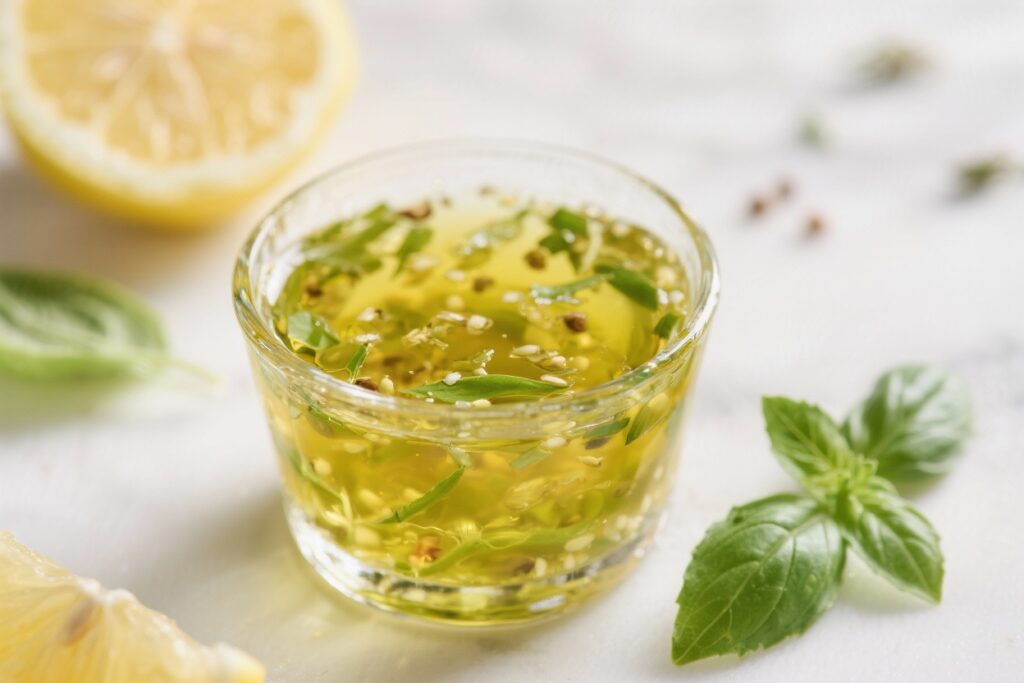
This Lemon Basil Vinaigrette brings a burst of sunshine to anything it touches. It’s bright, herby, and just the right balance of tangy and smooth. You can whisk it together in minutes with a handful of everyday ingredients.
Toss it with greens, drizzle over grilled vegetables, or spoon onto chicken or fish. If you like clean flavors that wake up a meal without overpowering it, this dressing belongs in your fridge.
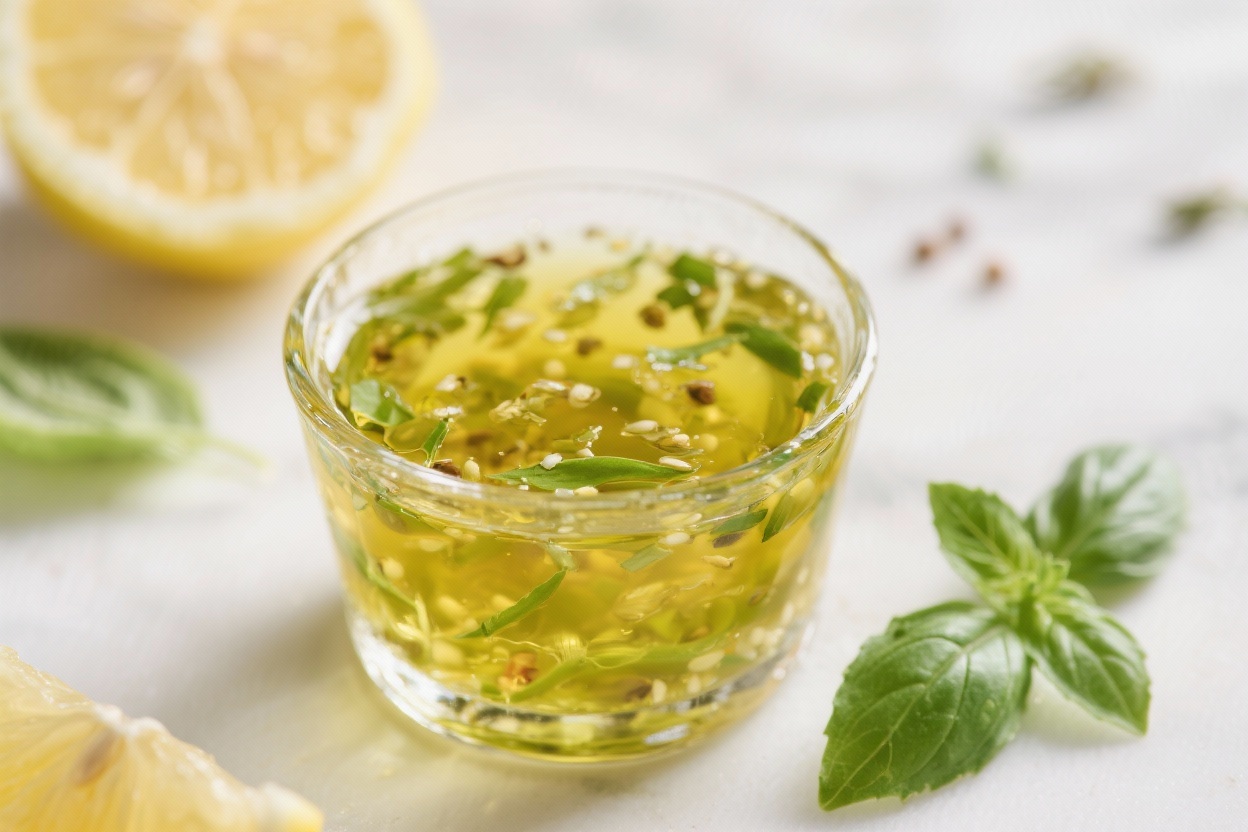
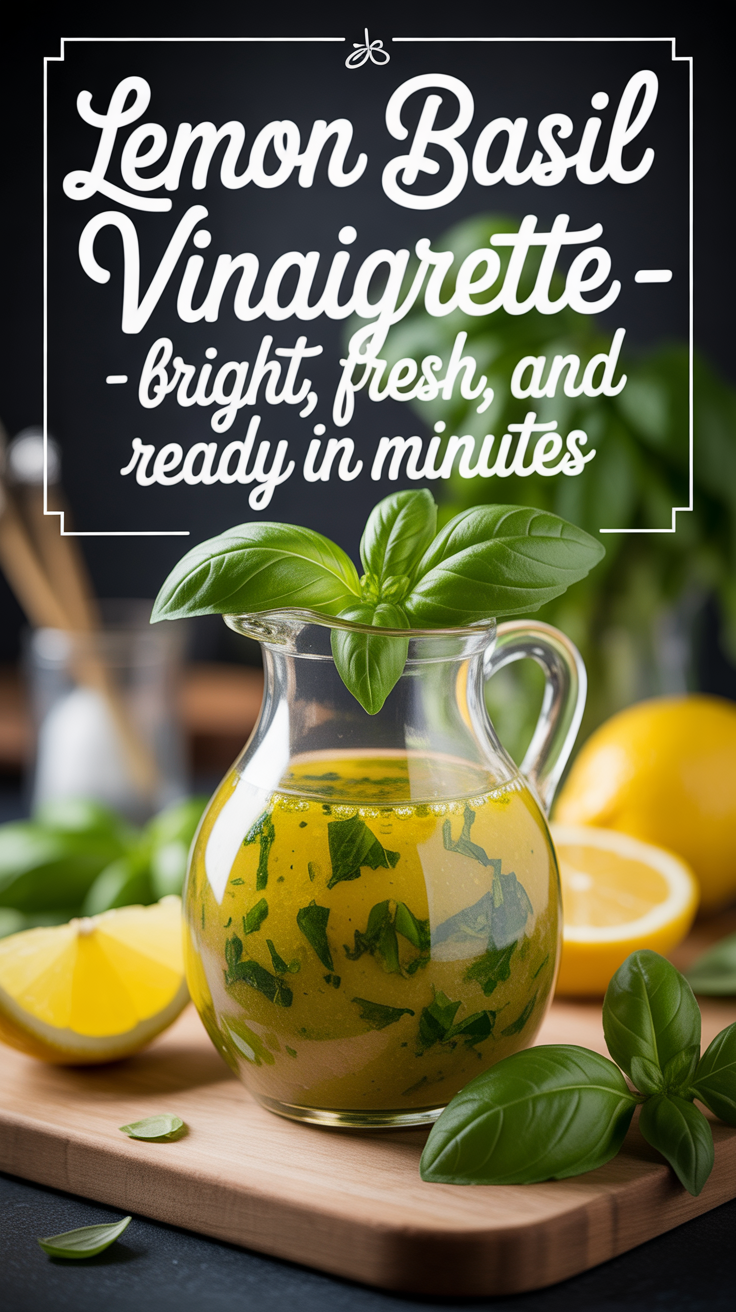
Lemon Basil Vinaigrette – Bright, Fresh, and Ready in Minutes
Ingredients
Method
-
Prep the basil: Rinse and pat dry a packed cup of basil leaves.
Remove tough stems. This keeps the dressing bright and prevents bitterness.
-
Zest and juice the lemon: Zest one lemon first, then squeeze enough juice to get 3–4 tablespoons. Zest adds floral lemon flavor without extra acidity.
-
Start the base: In a bowl or measuring cup, whisk together the lemon juice, zest, Dijon, and honey.
Add a pinch of salt and pepper. This seasons the acid before the oil goes in.
-
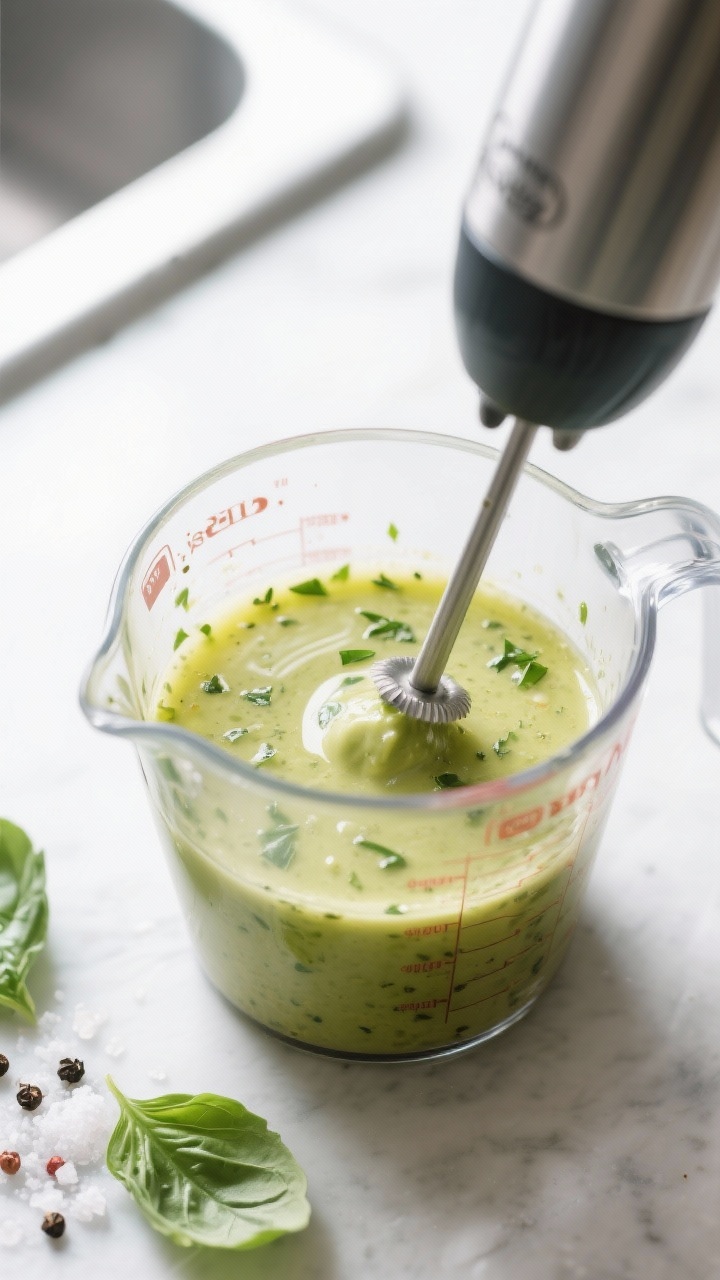
Blend or whisk: For the smoothest texture, use a blender or immersion blender. Add the basil and garlic (if using) to the lemon mixture and blend until finely chopped.
-
Emulsify with oil: With the blender running on low, slowly stream in the olive oil until the vinaigrette looks creamy and cohesive.
If whisking by hand, add the oil a little at a time while whisking vigorously.
-
Taste and adjust: Add more salt, pepper, or honey if needed. If it tastes sharp, add a splash more oil. If it tastes flat, add a pinch of salt or a squeeze of lemon.
-
Optional heat: Stir in a pinch of red pepper flakes for gentle warmth.
-
Rest and serve: Let the dressing sit for 5–10 minutes to settle.
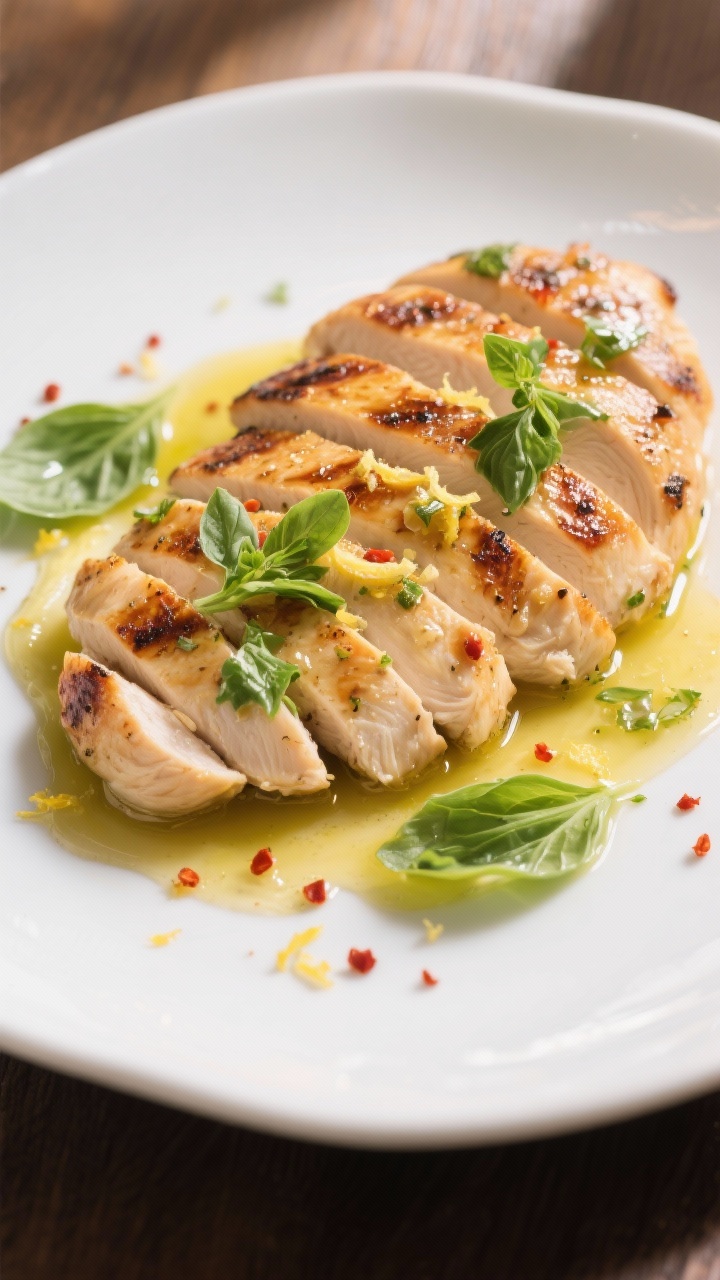
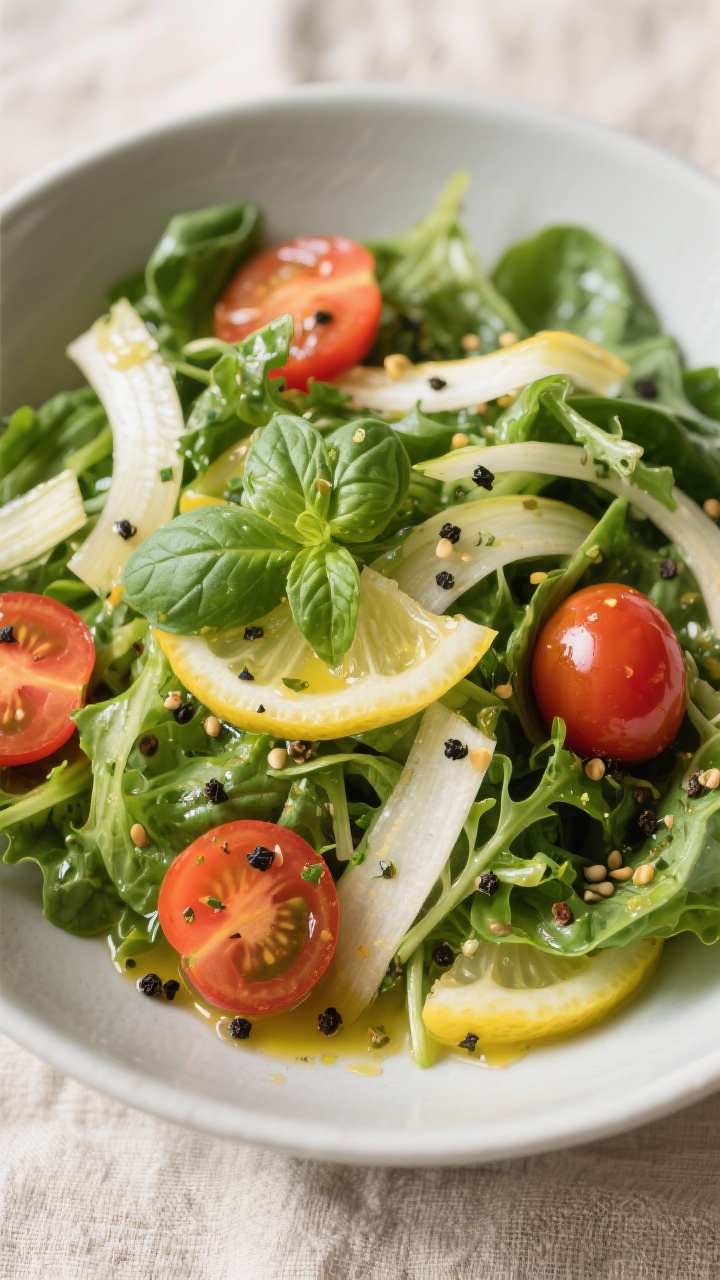
Drizzle over salads, grilled vegetables, tomatoes and mozzarella, grain bowls, or grilled chicken and fish.
Why This Recipe Works
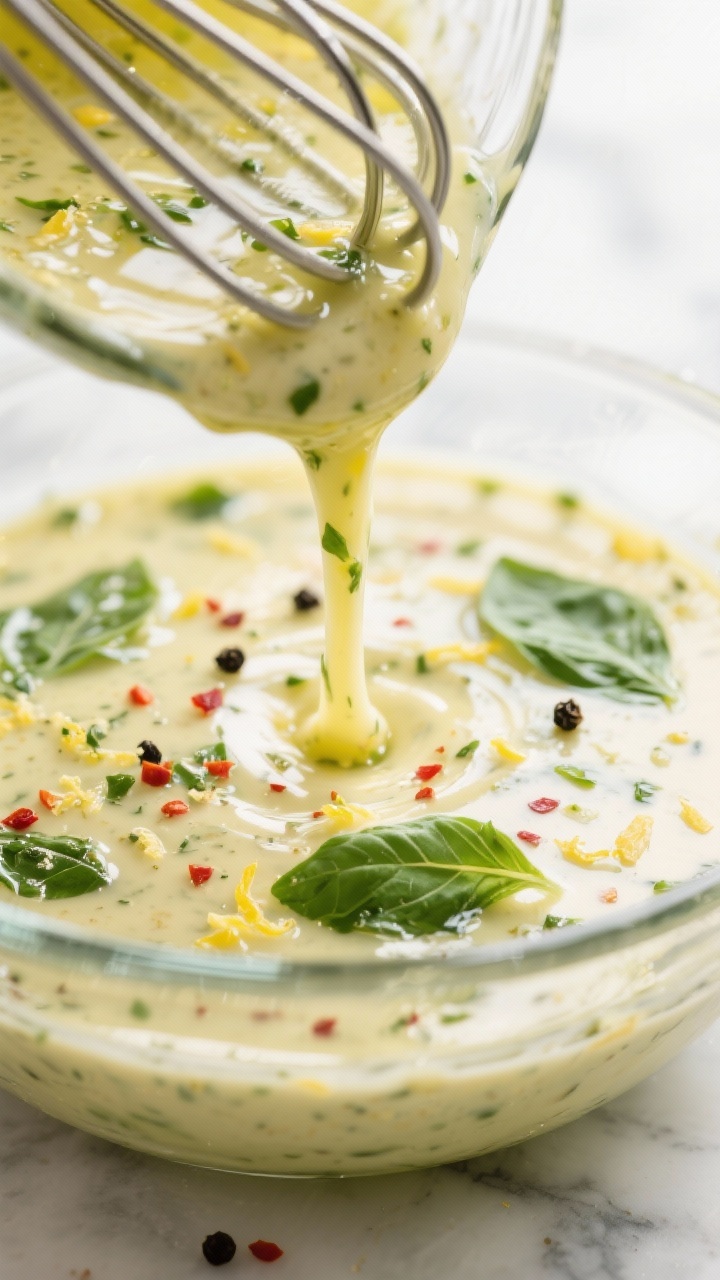
This vinaigrette leans on three key elements: fresh lemon juice, fragrant basil, and a reliable extra-virgin olive oil. The lemon gives it a crisp acidity that cuts through richer foods, while the basil adds a soft, peppery sweetness.
A touch of honey rounds out the edges and helps the dressing cling to salad leaves. Dijon mustard does double duty: it adds a gentle kick and helps emulsify the oil and acid so the vinaigrette stays creamy and unified. With a pinch of salt and fresh pepper, the flavors snap into focus and taste complete.
Shopping List
- Fresh basil leaves (about 1 packed cup)
- Fresh lemon juice (from 1–2 lemons, about 3–4 tablespoons)
- Lemon zest (from 1 lemon)
- Extra-virgin olive oil (about 1/2 cup)
- Dijon mustard (1–2 teaspoons)
- Honey or maple syrup (1–2 teaspoons, to taste)
- Garlic (1 small clove, optional)
- Kosher salt
- Freshly ground black pepper
- Red pepper flakes (optional, for a little heat)
How to Make It
- Prep the basil: Rinse and pat dry a packed cup of basil leaves.
Remove tough stems. This keeps the dressing bright and prevents bitterness.
- Zest and juice the lemon: Zest one lemon first, then squeeze enough juice to get 3–4 tablespoons. Zest adds floral lemon flavor without extra acidity.
- Start the base: In a bowl or measuring cup, whisk together the lemon juice, zest, Dijon, and honey.
Add a pinch of salt and pepper. This seasons the acid before the oil goes in.
- Blend or whisk: For the smoothest texture, use a blender or immersion blender. Add the basil and garlic (if using) to the lemon mixture and blend until finely chopped.
- Emulsify with oil: With the blender running on low, slowly stream in the olive oil until the vinaigrette looks creamy and cohesive.
If whisking by hand, add the oil a little at a time while whisking vigorously.
- Taste and adjust: Add more salt, pepper, or honey if needed. If it tastes sharp, add a splash more oil. If it tastes flat, add a pinch of salt or a squeeze of lemon.
- Optional heat: Stir in a pinch of red pepper flakes for gentle warmth.
- Rest and serve: Let the dressing sit for 5–10 minutes to settle.
Drizzle over salads, grilled vegetables, tomatoes and mozzarella, grain bowls, or grilled chicken and fish.
Keeping It Fresh
Store the vinaigrette in a sealed jar in the refrigerator for up to 5 days. Because it’s an emulsion, it may separate as it sits; just shake well before using. Olive oil can firm up in the fridge.
If it does, let the jar sit at room temperature for 10–15 minutes, then shake to re-emulsify. To preserve the bright green color, keep air exposure low and avoid leaving it out on the counter for long periods.
Benefits of This Recipe
- Quick and flexible: Comes together in minutes and works on salads, proteins, and vegetables.
- Fresh, clean flavor: Lemon and basil keep dishes lively without heavy cream or mayo.
- Better control: You decide the sweetness, saltiness, and tang to suit your palate.
- Budget-friendly: Uses simple ingredients you probably already have.
- Meal prep friendly: A small jar can transform several meals throughout the week.
What Not to Do
- Don’t use tired basil: Wilted or blackened leaves taste dull and can turn the dressing muddy.
- Don’t skip the mustard: It’s key for emulsifying and adds a subtle depth. If you can’t use mustard, see Alternatives.
- Don’t dump all the oil in at once: Add slowly to achieve a smooth, stable vinaigrette.
- Don’t over-garlic it: One small clove is enough; too much can overpower the basil.
- Don’t forget to season: Under-salting makes everything taste flat.
Taste and adjust.
Alternatives
- No basil? Try parsley, cilantro, or a mix of soft herbs like chives and dill. Spinach can bulk it out with a mild flavor.
- No Dijon? Use a small spoon of mayonnaise or Greek yogurt to help bind, or whisk in a bit of miso paste for a savory twist.
- No honey? Maple syrup, agave, or a pinch of sugar works. Start small and adjust.
- No lemon? Use a mix of white wine vinegar and a little orange or lime juice.
Keep the acidity bright but balanced.
- Lower oil option: Swap part of the oil with water or vegetable broth. Emulsion will be lighter and may separate faster; shake before serving.
- Allergy-friendly: For mustard allergies, skip it and add 1–2 tablespoons of blended avocado or a spoon of tahini to help emulsify.
FAQ
Can I make this without a blender?
Yes. Finely mince the basil and garlic, then whisk everything by hand.
Add the oil slowly while whisking to help it emulsify. The texture will be slightly chunkier but still delicious.
How do I keep the basil from turning dark?
Use fresh basil, avoid overheating with a high-speed blender, and add a splash of cold water if needed to keep the temperature down. Store in a sealed jar and refrigerate promptly.
What type of olive oil is best?
Choose a mild, fruity extra-virgin olive oil.
Super peppery or bitter oils can overwhelm the basil and lemon. If your oil tastes strong, blend in a neutral oil like grapeseed.
Can I freeze the vinaigrette?
You can, but it’s not ideal. Herbs can darken and the emulsion may break.
If you do freeze it, thaw in the fridge and re-blend with a splash of fresh lemon and a bit more oil.
How do I use it beyond salads?
Drizzle on roasted potatoes, grilled zucchini, tomatoes with mozzarella, or a simple grain bowl. It’s also great spooned over grilled chicken, shrimp, or salmon just before serving.
How do I adjust the acidity?
If it’s too sharp, add a bit more oil or a touch more honey. If it’s too mellow, add a squeeze of lemon or a pinch of salt to bring the flavors forward.
Is this vinaigrette vegan?
Yes, if you use maple syrup or agave instead of honey.
Everything else in the recipe is plant-based.
In Conclusion
Lemon Basil Vinaigrette is a simple way to make everyday meals feel fresh and lively. With a few ingredients and a quick blend, you get a balanced dressing that works across salads, vegetables, and proteins. Keep a jar in the fridge, shake before serving, and enjoy how easily it brightens your weeknight cooking.
Printable Recipe Card
Want just the essential recipe details without scrolling through the article? Get our printable recipe card with just the ingredients and instructions.