
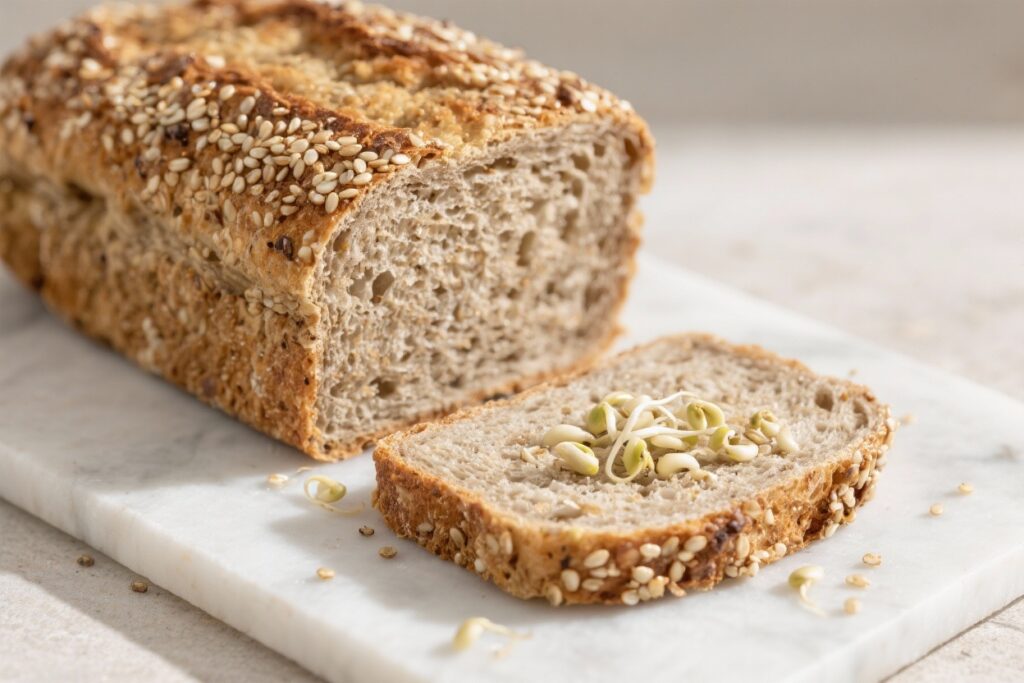
Sprouted quinoa bread is the kind of loaf you’ll want on repeat—nutty, soft, and subtly earthy with a tender crumb. It’s great for toast, sandwiches, or just a warm slice with a pat of butter. Sprouting brings out a gentle sweetness and makes the grains easier to digest.
If you love wholesome baking but still want a loaf that feels light, this one fits the bill. The process is simple, and the results are worth every step.
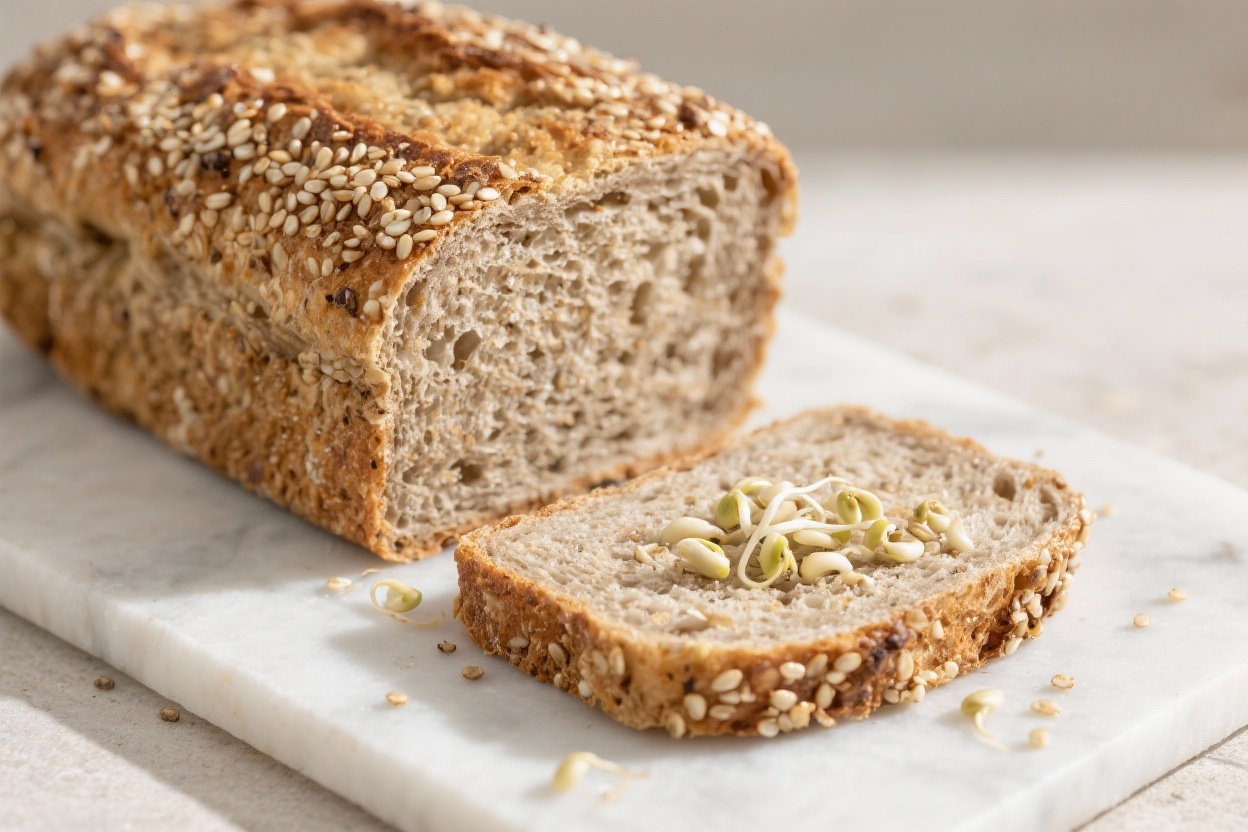
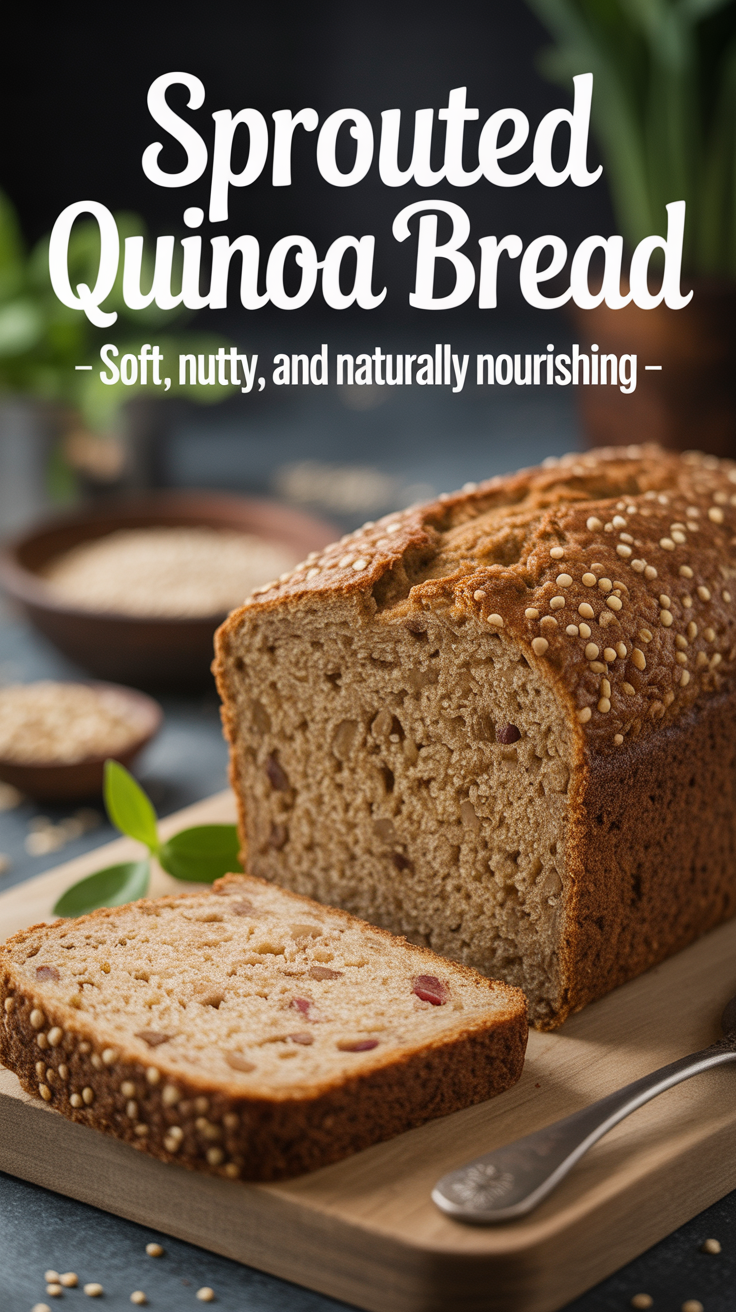
Sprouted Quinoa Bread – Soft, Nutty, and Naturally Nourishing
Ingredients
Method
-
Proof the yeast: In a large bowl, whisk warm water and honey.
Sprinkle yeast over the top and let it sit 5–10 minutes until foamy. If it doesn’t foam, start over with fresh yeast.
-
Mix the base dough: Stir in olive oil and salt. Add bread flour and whole wheat flour gradually, mixing with a spoon or dough hook until a shaggy dough forms.
-
Add sprouted quinoa: Fold in the cooked sprouted quinoa and any seeds.
The dough will be sticky at first—this is normal.
-
Knead: Knead on a floured surface or in a mixer on medium-low for 7–10 minutes, adding small sprinkles of flour as needed. The dough should become smooth, slightly tacky, and elastic. Avoid over-flouring—soft dough makes softer bread.
-
First rise: Place dough in a lightly oiled bowl, turn to coat, and cover.
Let rise in a warm spot for 60–90 minutes until doubled in size.
-
Shape the loaf: Gently deflate the dough. Pat into a rectangle, then roll it up tightly from the short end. Pinch the seam, tuck the ends, and place seam-side down in a greased 9×5-inch loaf pan.
-
Second rise: Cover and let rise 30–45 minutes, until the dough domes about an inch above the pan.
Preheat your oven to 375°F (190°C) during this rise.
-
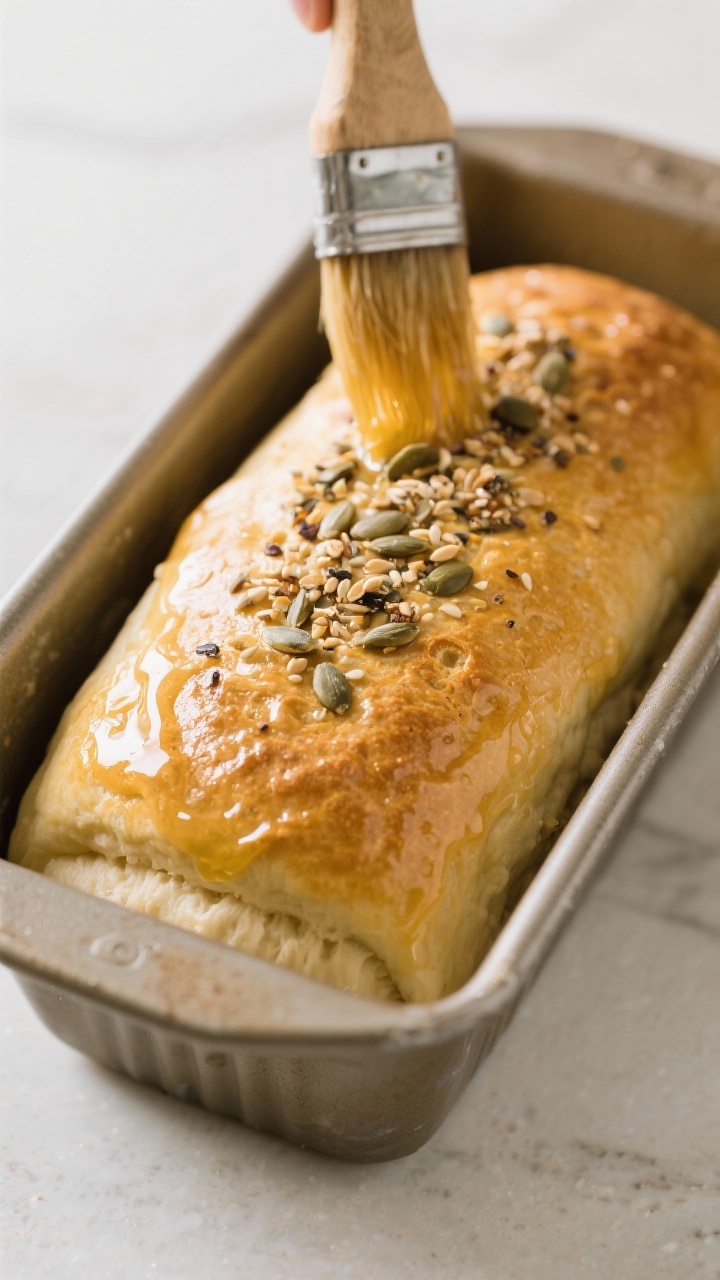
Optional glaze: Brush the top with egg wash and sprinkle seeds for a crunchy crust.
-
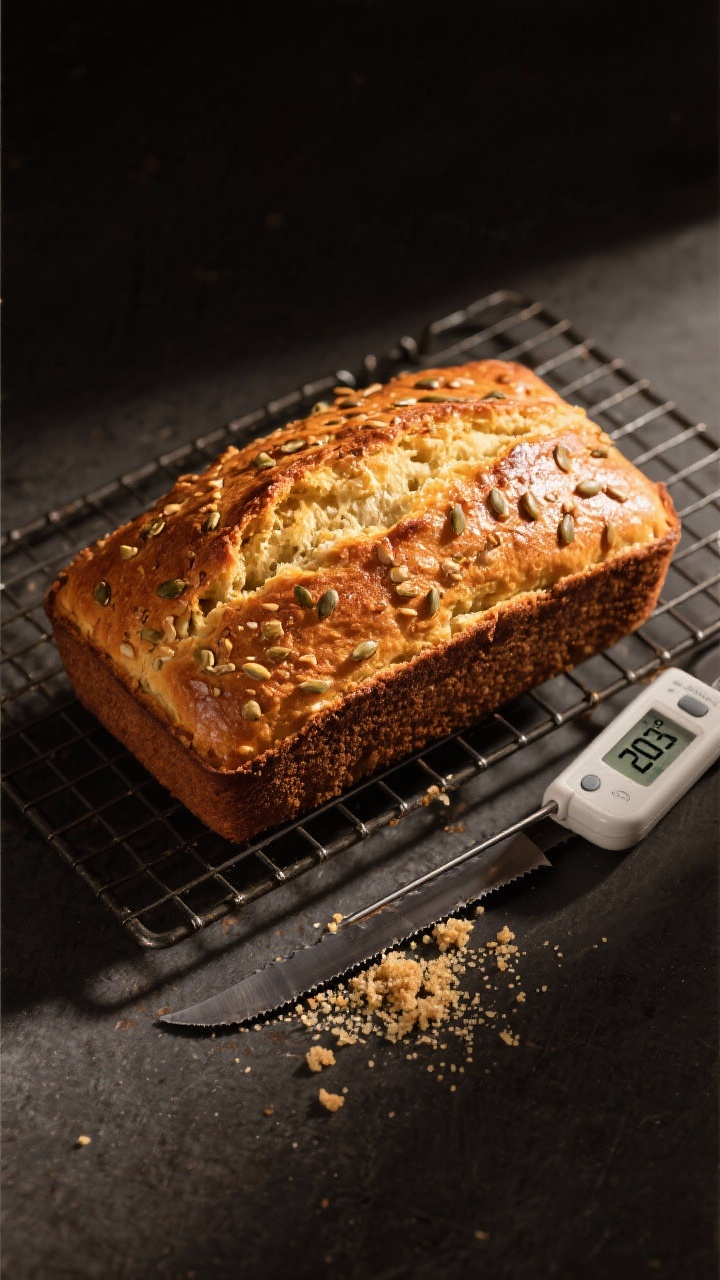
Bake: Bake 35–40 minutes. The top should be deep golden, and the internal temperature should reach about 200–205°F. If the top browns too quickly, tent with foil.
-
Cool: Remove from the pan and cool on a rack for at least 1 hour before slicing.
This sets the crumb and prevents gumminess.
What Makes This Recipe So Good
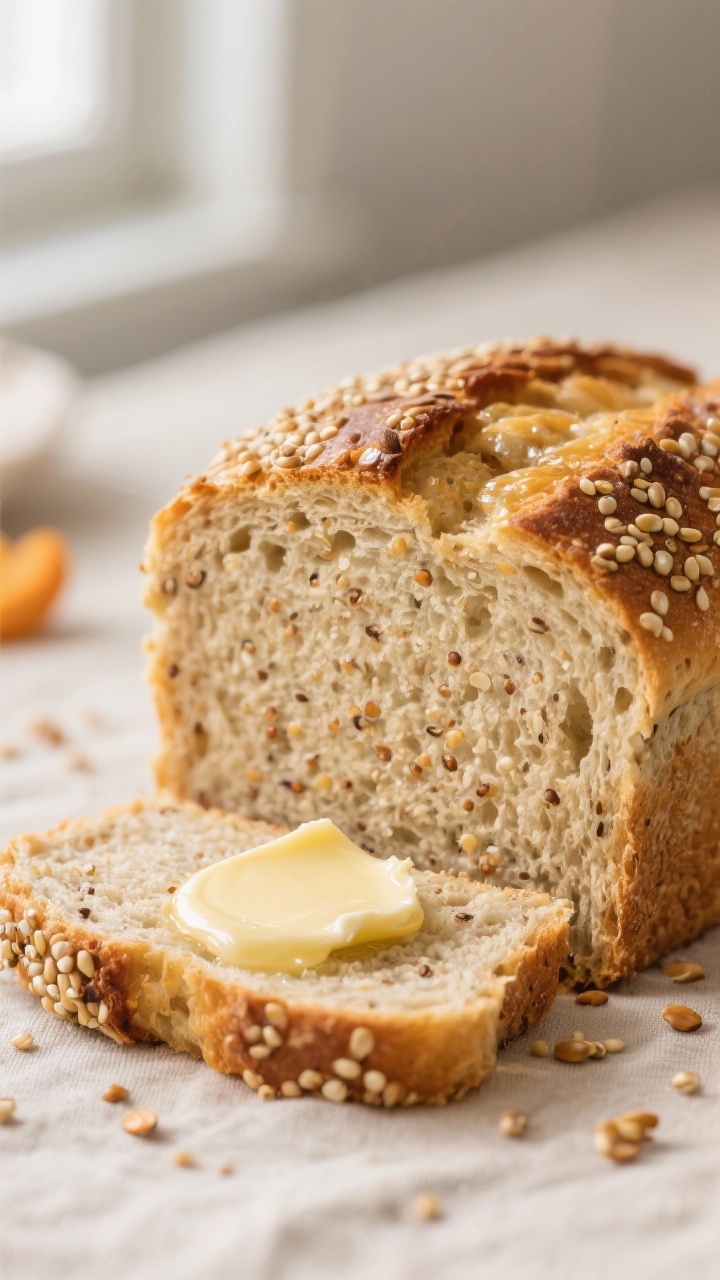
- Light texture, wholesome ingredients: Sprouted quinoa keeps the bread tender but hearty, with a naturally nutty flavor.
- Better digestibility: Sprouting can reduce phytic acid and help your body absorb more nutrients.
- Flexible flour blend: Works with a mix of bread flour and whole wheat, or you can adapt for gluten-free options.
- Great flavor without fuss: A touch of honey and olive oil rounds out the taste without overpowering it.
- Make-ahead friendly: Sprout the quinoa in advance and refrigerate until you’re ready to bake.
What You’ll Need
- Sprouted quinoa: 1 cup cooked sprouted quinoa (about 1/2 cup dry quinoa before sprouting). See notes in the FAQs if you’re new to sprouting.
- Bread flour: 2 1/2 cups, plus more as needed for kneading.
- Whole wheat flour: 1 cup (can swap with more bread flour for a lighter loaf).
- Warm water: 1 1/4 cups (about 105–110°F).
- Active dry yeast: 2 1/4 teaspoons (1 standard packet).
- Honey or maple syrup: 2 tablespoons.
- Olive oil: 2 tablespoons.
- Salt: 1 3/4 teaspoons.
- Optional add-ins: 2–3 tablespoons sunflower seeds, pumpkin seeds, or sesame seeds for crunch.
- Optional topper: 1 egg white with a splash of water for a shiny crust, plus extra seeds.
Instructions
- Proof the yeast: In a large bowl, whisk warm water and honey.
Sprinkle yeast over the top and let it sit 5–10 minutes until foamy. If it doesn’t foam, start over with fresh yeast.
- Mix the base dough: Stir in olive oil and salt. Add bread flour and whole wheat flour gradually, mixing with a spoon or dough hook until a shaggy dough forms.
- Add sprouted quinoa: Fold in the cooked sprouted quinoa and any seeds.
The dough will be sticky at first—this is normal.
- Knead: Knead on a floured surface or in a mixer on medium-low for 7–10 minutes, adding small sprinkles of flour as needed. The dough should become smooth, slightly tacky, and elastic. Avoid over-flouring—soft dough makes softer bread.
- First rise: Place dough in a lightly oiled bowl, turn to coat, and cover.
Let rise in a warm spot for 60–90 minutes until doubled in size.
- Shape the loaf: Gently deflate the dough. Pat into a rectangle, then roll it up tightly from the short end. Pinch the seam, tuck the ends, and place seam-side down in a greased 9×5-inch loaf pan.
- Second rise: Cover and let rise 30–45 minutes, until the dough domes about an inch above the pan.
Preheat your oven to 375°F (190°C) during this rise.
- Optional glaze: Brush the top with egg wash and sprinkle seeds for a crunchy crust.
- Bake: Bake 35–40 minutes. The top should be deep golden, and the internal temperature should reach about 200–205°F. If the top browns too quickly, tent with foil.
- Cool: Remove from the pan and cool on a rack for at least 1 hour before slicing.
This sets the crumb and prevents gumminess.
Keeping It Fresh
- Room temperature: Store in a bread box or wrapped in a clean kitchen towel for up to 3 days. Avoid the fridge—it dries out bread.
- Freeze slices: Slice the loaf, wrap well, and freeze up to 3 months. Toast straight from the freezer.
- Revive day-old bread: Warm slices in a toaster or low oven for a few minutes to bring back softness.
Benefits of This Recipe
- Sprouted grains, better feel: Sprouting may make nutrients like iron and zinc more available and can make the bread easier on the stomach.
- Balanced energy: The mix of complex carbs, fiber, and a bit of protein from quinoa makes for steady fuel.
- Customizable: Adjust the flour blend, seeds, and sweetener to fit your taste and pantry.
- Everyday friendly: The dough handles well, and the loaf stays soft for days.
Common Mistakes to Avoid
- Water too hot for yeast: If the water is over 115°F, you can kill the yeast.
Aim for warm bath water, not hot.
- Adding too much flour: A sticky dough often leads to a tender loaf. Adding heaps of flour makes it dense and dry.
- Skipping the cooldown: Slicing hot bread compresses the crumb and releases steam, making it gummy. Let it rest.
- Underproofing or overproofing: If it hasn’t risen enough, it will be tight and heavy; too much rise and it can collapse.
Look for a gentle spring-back when poked.
- Wet quinoa: If the sprouted quinoa is soggy, it adds excess moisture. Drain and pat dry before mixing in.
Alternatives
- Gluten-free version: Swap the flours for a reliable gluten-free bread flour blend and add 1 teaspoon xanthan gum if the blend doesn’t already include it. Expect a batter-like dough; use a pan and skip traditional kneading.
- Vegan option: Use maple syrup instead of honey, and skip the egg wash.
Brush with olive milk or water and sprinkle seeds.
- Different grains: Replace half the quinoa with sprouted millet or buckwheat for a new flavor. Keep the total cooked sprouted grain at about 1 cup.
- No whole wheat: Use all bread flour for a lighter, fluffier loaf and reduce water by 1–2 tablespoons if needed.
- Sourdough hybrid: Add 1/2 cup active sourdough starter and reduce water by 1/4 cup. Keep the yeast for a steady rise, or extend rise times if omitting it.
FAQ
How do I sprout quinoa?
Rinse 1/2 cup quinoa very well to remove bitterness.
Soak in cool water for 4–6 hours, then drain and rinse again. Place in a fine-mesh sieve or sprouting jar at room temperature, rinsing and draining every 8–12 hours until tiny tails appear (about 24 hours). Steam or simmer the sprouted quinoa for 10–12 minutes, then drain and cool completely before using.
Can I make this without kneading?
Yes.
Mix the dough until combined, then cover and let rest for 20 minutes. Perform three sets of stretch-and-folds every 20 minutes, then let rise until doubled. Shape, proof in a pan, and bake as directed.
Why is my bread dense?
Likely reasons include not enough rise time, too much flour added during kneading, or yeast that wasn’t active.
Also make sure your sprouted quinoa wasn’t overly wet, which can weigh down the dough.
Does sprouted quinoa change the flavor?
It adds a mild nuttiness and a gentle sweetness. The flavor is pleasant and subtle, and it blends well with whole wheat and seeds.
Can I use store-bought sprouted quinoa?
Absolutely. If it’s dried sprouted quinoa, cook it as you would regular quinoa, then cool before adding.
If it’s pre-cooked, drain well and measure 1 cup.
What pan size works best?
A standard 9×5-inch loaf pan gives a tall, sandwich-friendly loaf. An 8.5×4.5-inch pan will produce a slightly higher rise but may need a couple minutes less baking time.
How do I know it’s baked through?
The top will be deep golden and the loaf will sound hollow when tapped. For certainty, check the center with an instant-read thermometer—look for 200–205°F.
Can I add more seeds or nuts?
Yes, but keep total mix-ins to about 1/2 cup to avoid weighing down the dough.
Toasting seeds first adds great flavor.
Wrapping Up
Sprouted quinoa bread delivers a soft crumb, gentle chew, and a nutty taste that feels both comforting and energizing. It’s simple enough for a weekday bake and special enough for weekend brunch. With a few basic techniques and a bit of patience, you’ll have a loaf that’s nourishing, versatile, and truly satisfying.
Keep a sliced loaf in the freezer, and you’ll be set for toast, sandwiches, and everything in between.
Printable Recipe Card
Want just the essential recipe details without scrolling through the article? Get our printable recipe card with just the ingredients and instructions.