
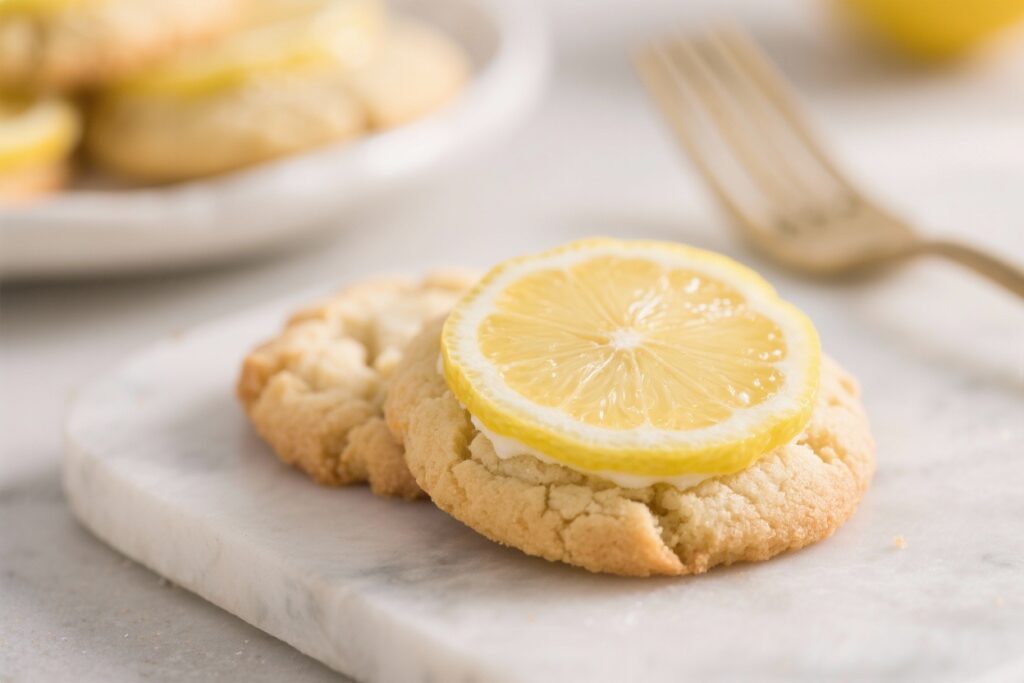
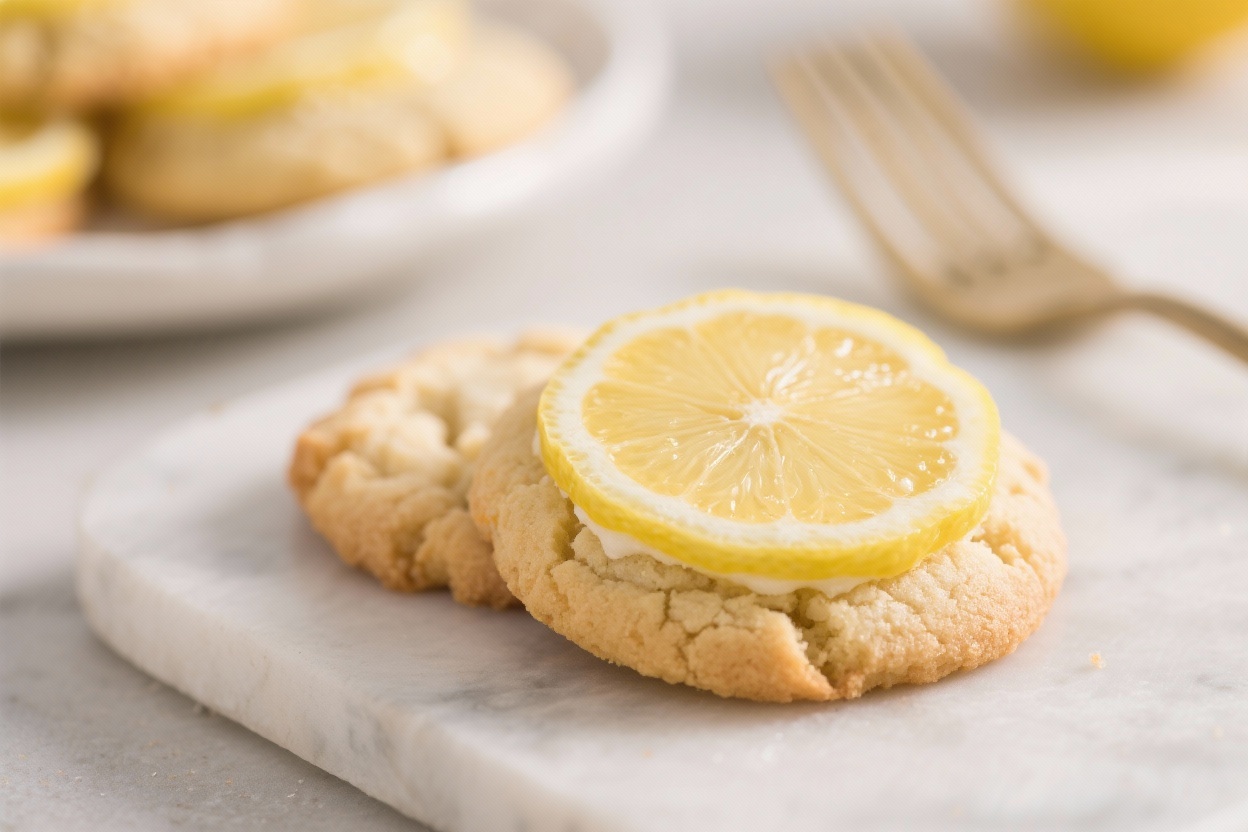
These Keto Lemon Cookies bring sunshine to your snack time without kicking you out of ketosis. They’re soft in the center, lightly crisp at the edges, and bursting with real lemon flavor. If you love a classic lemon cookie but want to skip the sugar crash, this recipe hits the spot.
No complicated techniques, no hard-to-find ingredients—just simple baking with fresh, zesty results. Great for meal prep, afternoon tea, or a quick sweet bite after dinner.
Ingredients
Method
- Preheat the oven. Set your oven to 350°F (180°C). Line a baking sheet with parchment paper so the cookies don’t stick and brown evenly.
- Mix dry ingredients. In a medium bowl, whisk the almond flour, granulated erythritol, baking soda, and salt until well combined. This prevents clumps and helps the dough mix evenly.
- Whisk the wet ingredients. In a separate bowl, whisk the egg, melted butter, lemon zest, lemon juice, and vanilla until smooth. If using lemon extract, add it here.
- Combine to form dough. Pour the wet mixture into the dry ingredients and stir with a spatula until a soft dough forms. It should be thick but scoopable, not crumbly.
- Rest the dough briefly. Let the dough sit for 3–5 minutes. Almond flour hydrates quickly; this short rest prevents spreading and helps shape the cookies.
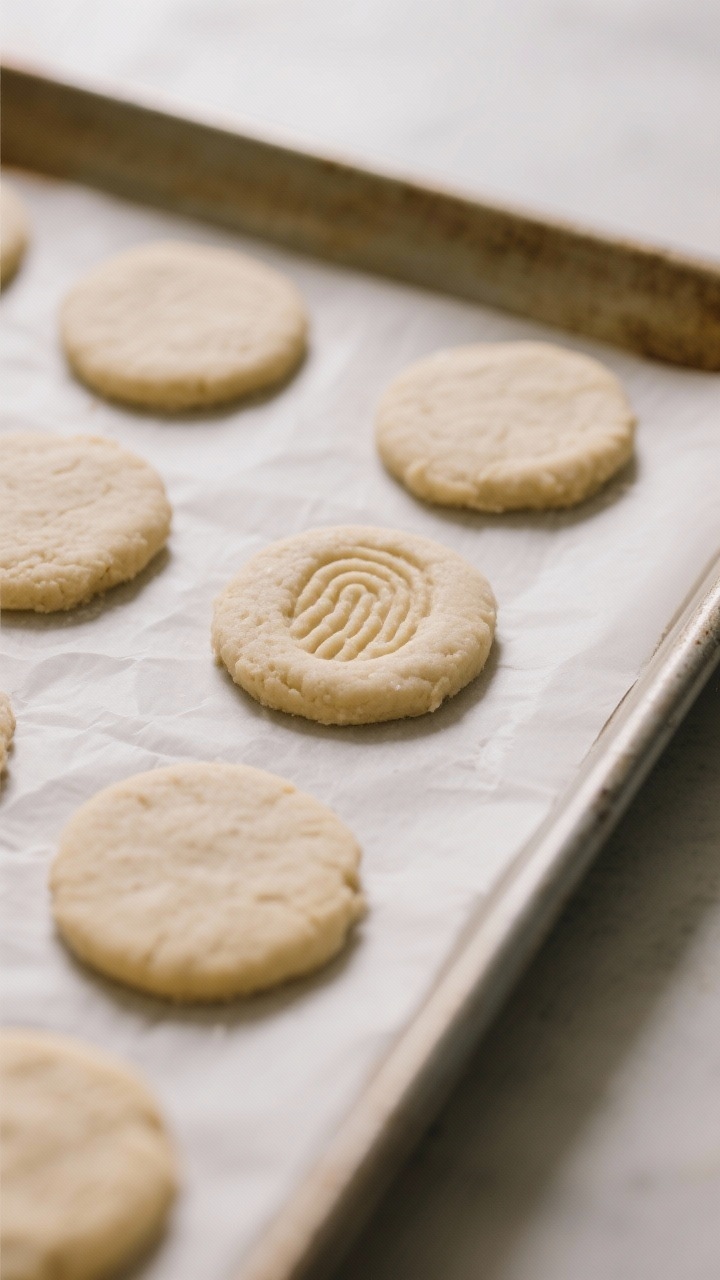
- Portion the cookies. Use a tablespoon or small cookie scoop to portion 12–14 dough balls onto the baking sheet. Leave about 2 inches between them.
- Flatten slightly. Gently press each dough ball to about 1/2 inch thick. Keto cookies don’t spread as much as traditional cookies, so shaping matters.
- Bake. Bake for 10–12 minutes, until the edges are just turning golden. The centers should look set but still soft. Do not overbake.
- Cool completely. Let the cookies cool on the baking sheet for 10 minutes, then transfer to a rack. They firm up as they cool—be patient.
- Make the glaze. In a small bowl, whisk the powdered erythritol with 1 tablespoon lemon juice. Add more juice drop by drop until you reach a drizzleable consistency. Stir in lemon zest if using.
- Glaze and set. Once the cookies are fully cool, drizzle the glaze over the tops. Let the glaze set for 15–20 minutes before serving.
Why This Recipe Works
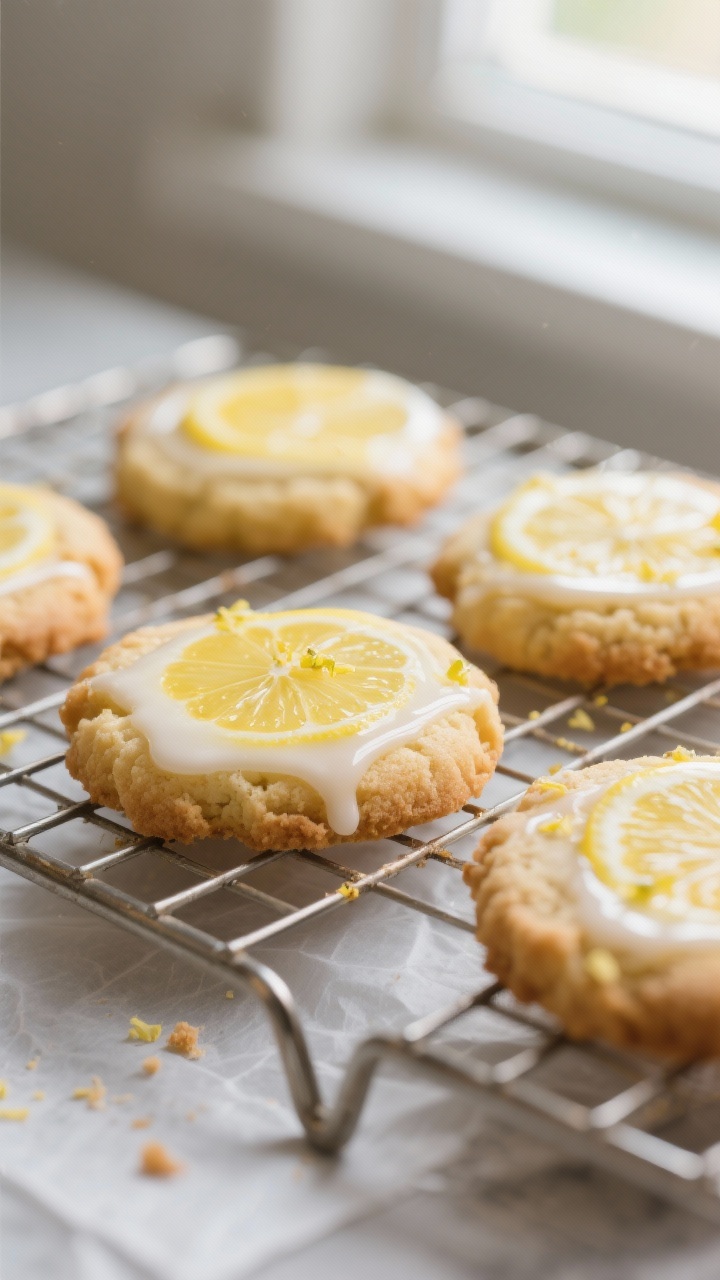
These cookies use almond flour for structure and tenderness, which keeps them low-carb and gluten-free. A blend of lemon zest and juice adds clean, bright flavor without artificial extracts.
We sweeten with a keto-friendly sweetener that mimics sugar’s sweetness and helps with browning. Butter and an egg bind everything together for a soft, bakery-style texture. A quick lemon glaze takes them from good to unforgettable.
Ingredients
- 2 cups fine almond flour (blanched works best for texture)
- 1/3 cup granulated erythritol or monk fruit erythritol blend (plus more to taste)
- 1/4 teaspoon baking soda
- 1/4 teaspoon fine sea salt
- 1 large egg (room temperature)
- 5 tablespoons unsalted butter (melted and slightly cooled)
- 1 tablespoon fresh lemon zest (about 1 large lemon)
- 2 tablespoons fresh lemon juice
- 1 teaspoon vanilla extract
- Optional: 1/4 teaspoon lemon extract (for a stronger lemon punch)
For the glaze (optional but recommended):
- 1/2 cup powdered erythritol (sifted)
- 1–2 tablespoons fresh lemon juice
- 1 teaspoon lemon zest (optional for extra zing)
Step-by-Step Instructions

- Preheat the oven. Set your oven to 350°F (180°C).
Line a baking sheet with parchment paper so the cookies don’t stick and brown evenly.
- Mix dry ingredients. In a medium bowl, whisk the almond flour, granulated erythritol, baking soda, and salt until well combined. This prevents clumps and helps the dough mix evenly.
- Whisk the wet ingredients. In a separate bowl, whisk the egg, melted butter, lemon zest, lemon juice, and vanilla until smooth. If using lemon extract, add it here.
- Combine to form dough. Pour the wet mixture into the dry ingredients and stir with a spatula until a soft dough forms.
It should be thick but scoopable, not crumbly.
- Rest the dough briefly. Let the dough sit for 3–5 minutes. Almond flour hydrates quickly; this short rest prevents spreading and helps shape the cookies.
- Portion the cookies. Use a tablespoon or small cookie scoop to portion 12–14 dough balls onto the baking sheet. Leave about 2 inches between them.
- Flatten slightly. Gently press each dough ball to about 1/2 inch thick.
Keto cookies don’t spread as much as traditional cookies, so shaping matters.
- Bake. Bake for 10–12 minutes, until the edges are just turning golden. The centers should look set but still soft. Do not overbake.
- Cool completely. Let the cookies cool on the baking sheet for 10 minutes, then transfer to a rack.
They firm up as they cool—be patient.
- Make the glaze. In a small bowl, whisk the powdered erythritol with 1 tablespoon lemon juice. Add more juice drop by drop until you reach a drizzleable consistency. Stir in lemon zest if using.
- Glaze and set. Once the cookies are fully cool, drizzle the glaze over the tops.
Let the glaze set for 15–20 minutes before serving.
How to Store
- Room temperature: Keep glazed or unglazed cookies in an airtight container for up to 3 days. Place parchment between layers.
- Refrigerator: Store for up to 1 week. Chilling helps the glaze set and keeps the texture soft and chewy.
- Freezer: Freeze unglazed cookies for up to 2 months.
Thaw at room temperature and glaze right before serving.
- Dough storage: Keep unbaked dough in the fridge up to 48 hours, or freeze pre-portioned dough balls for quick baking.
Why This is Good for You
These cookies are low in carbs and made without refined sugar, so they’re keto-friendly and supportive of steady energy levels. Almond flour brings healthy fats, fiber, and vitamin E, which can help with satiety. Lemon adds a fresh dose of flavor and a bit of vitamin C without adding many carbs.
Using a sugar substitute keeps the sweet taste without the blood sugar spikes. It’s a treat that fits into a low-carb lifestyle without feeling like a compromise.
What Not to Do
- Don’t skip cooling. Keto cookies are delicate out of the oven and need time to set. Moving them too soon leads to crumbling.
- Don’t overbake. They should be barely golden.
Overbaking dries them out and makes them grainy.
- Don’t use coconut flour as a 1:1 swap. It’s far more absorbent and will make the cookies dry unless you adjust liquids and eggs.
- Don’t add too much lemon juice. Extra liquid can make the dough sticky and cause spreading. Use zest for stronger flavor without changing texture.
- Don’t pack the almond flour. Fluff it and level your measuring cup, or weigh it for accuracy to avoid dense cookies.
Alternatives
- Sweeteners: Use a granulated erythritol or monk fruit blend for the dough, and powdered versions for the glaze. Allulose works too, but may make cookies softer and brown faster.
- Dairy-free: Swap butter for coconut oil or plant-based butter.
Expect a slightly different flavor and a softer texture.
- Egg-free: Try a flax egg (1 tablespoon ground flaxseed + 3 tablespoons water, rested 5 minutes). The cookies will be more delicate.
- Add-ins: Mix in 1/3 cup sugar-free white chocolate chips or unsweetened coconut flakes. Keep total add-ins modest to maintain structure.
- Glaze-free: Skip the glaze and dust with powdered erythritol or brush warm cookies with a tiny bit of lemon juice for a light tang.
FAQ
Can I use coconut flour instead of almond flour?
No, not as a direct swap.
Coconut flour absorbs much more liquid and would require adding extra egg and fat. If you only have coconut flour, use a recipe developed specifically for it.
Which sweetener tastes most like sugar?
A monk fruit erythritol blend is a solid choice for balanced sweetness and minimal aftertaste. Allulose is very close to sugar in taste and texture but can make cookies softer and may need a touch more baking time.
How do I get a stronger lemon flavor?
Increase the lemon zest, not the juice.
Zest adds bold citrus oils without changing the dough’s moisture. You can also add 1/4 teaspoon lemon extract for extra punch.
Why did my cookies spread too much?
Your butter may have been too hot or you added too much lemon juice. Let melted butter cool slightly before mixing, and measure liquids carefully.
A brief dough rest also helps control spread.
Are these cookies gluten-free?
Yes, almond flour is naturally gluten-free. If you’re highly sensitive, make sure all ingredients are certified gluten-free and avoid cross-contamination.
Can I make them ahead for a party?
Yes. Bake and cool, then freeze without glaze.
Thaw the day you need them and glaze once they reach room temperature. They’ll taste fresh and look polished.
How many net carbs are in each cookie?
Exact numbers vary by brand and size, but a typical cookie made as directed has about 2–3 grams of net carbs. Check your ingredient labels and calculate for precision.
Can I use bottled lemon juice?
Fresh lemon juice and zest give the best flavor.
Bottled juice can taste flat and acidic. If you must use it, pair with extra zest to brighten things up.
Final Thoughts
These Keto Lemon Cookies prove you don’t have to give up bright, bakery-style treats on a low-carb plan. They’re simple to make, loaded with citrus flavor, and easy to customize for your preferences. Keep a batch on hand for a quick sweet bite, or dress them up with glaze for guests. Once you taste the soft center and zesty finish, this recipe will earn a permanent spot in your rotation.

Printable Recipe Card
Want just the essential recipe details without scrolling through the article? Get our printable recipe card with just the ingredients and instructions.