
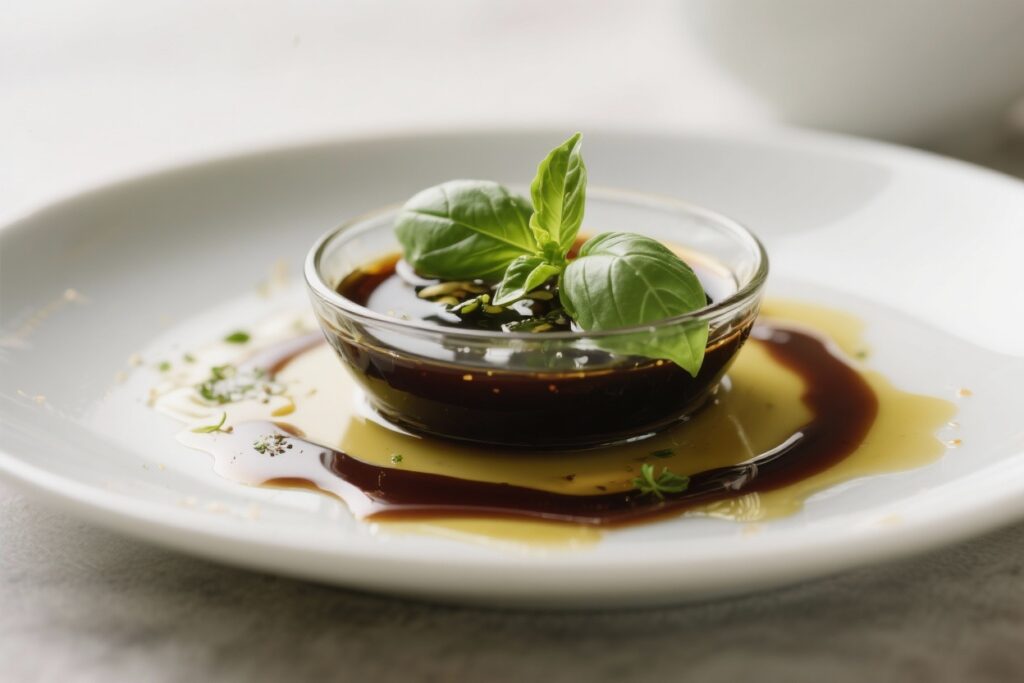
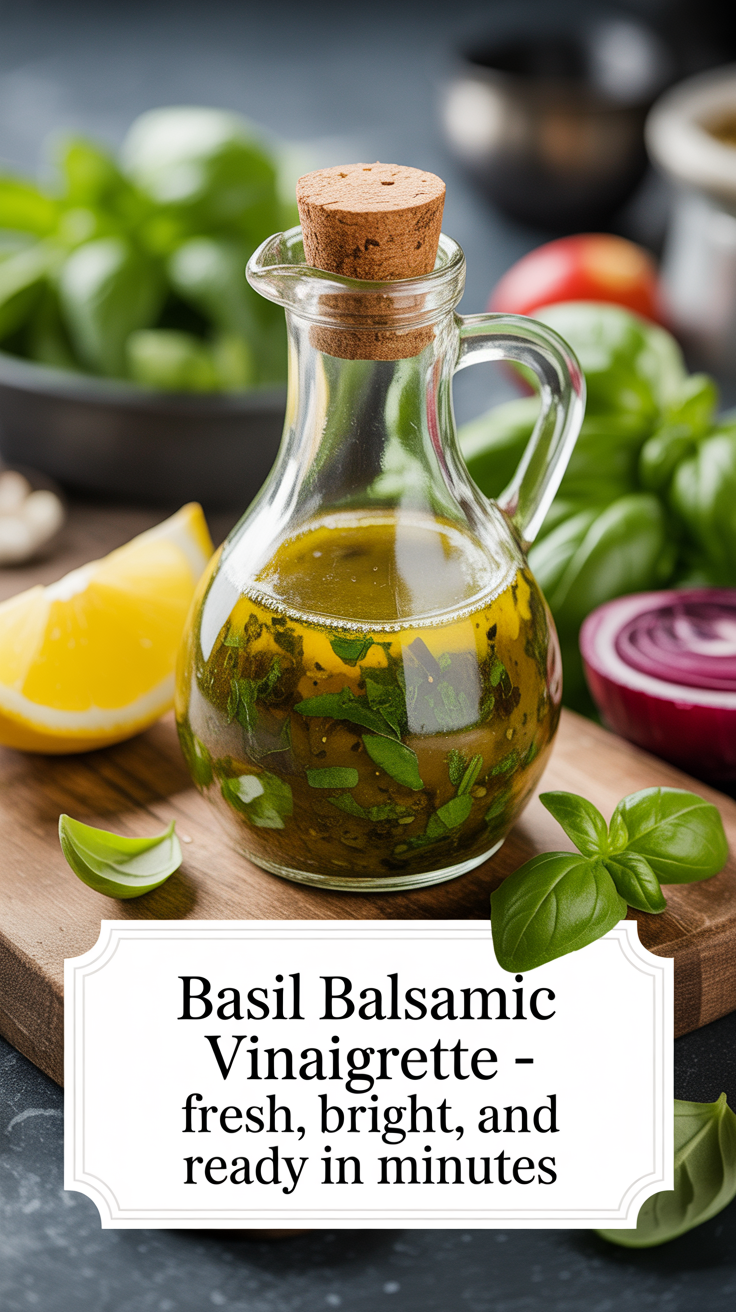
This basil balsamic vinaigrette brings garden-fresh flavor to just about everything. It’s tangy from balsamic, rich from good olive oil, and lifted by sweet, peppery basil. You can whisk it in a bowl or blitz it in a blender, and it tastes like something you’d get at a cozy bistro.
Spoon it over juicy tomatoes, toss it with greens, or drizzle it on grilled chicken. Once you make it, you’ll want a jar in your fridge at all times.
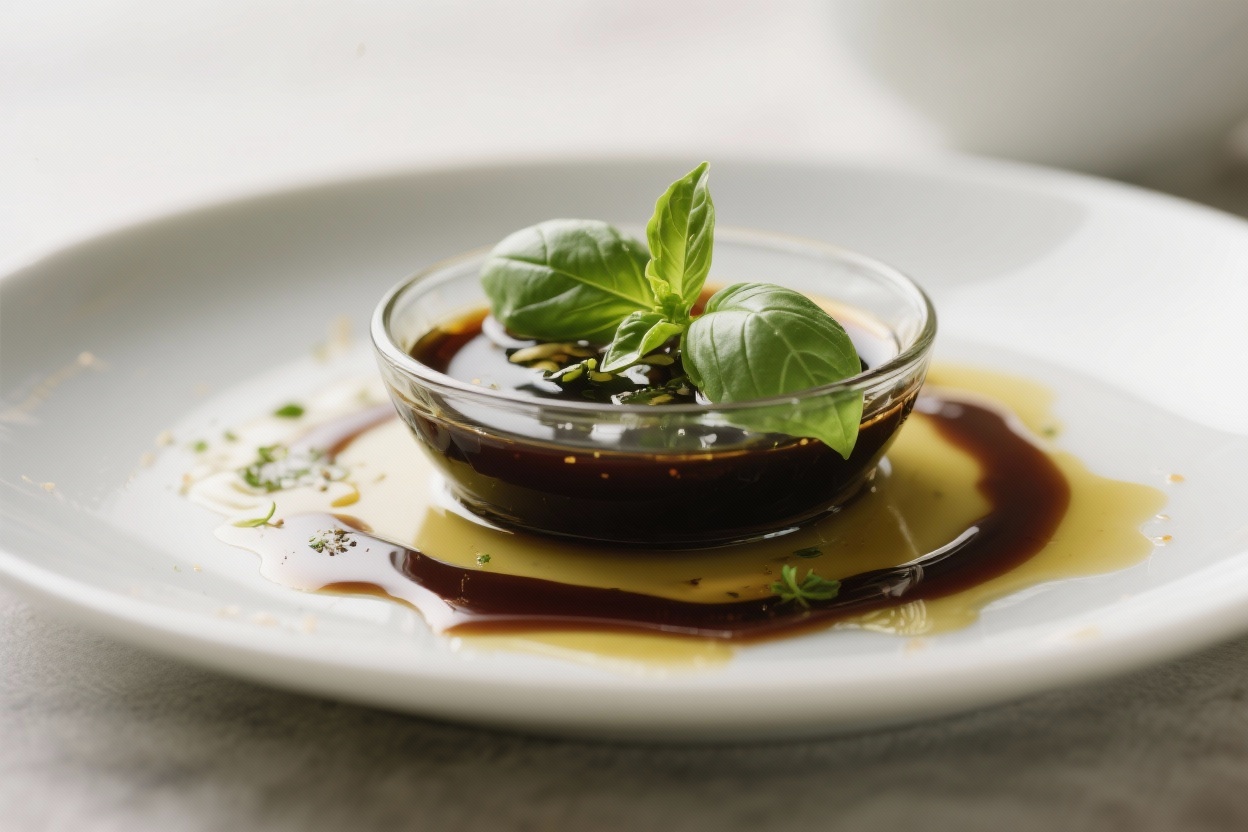
Basil Balsamic Vinaigrette – Fresh, Bright, and Ready in Minutes
Ingredients
Method
-
Prep the basil: Rinse, pat dry, and remove tough stems. Pack 1 cup of leaves.
Dry leaves blend better and won’t water down the dressing.
-
Choose your method: For a smoother, emulsified dressing, use a blender or food processor. For a rustic texture, whisk by hand in a bowl.
-
Blend or whisk the base: Combine balsamic vinegar, Dijon, honey (if using), garlic, salt, and pepper. Whisk or pulse until combined.
-
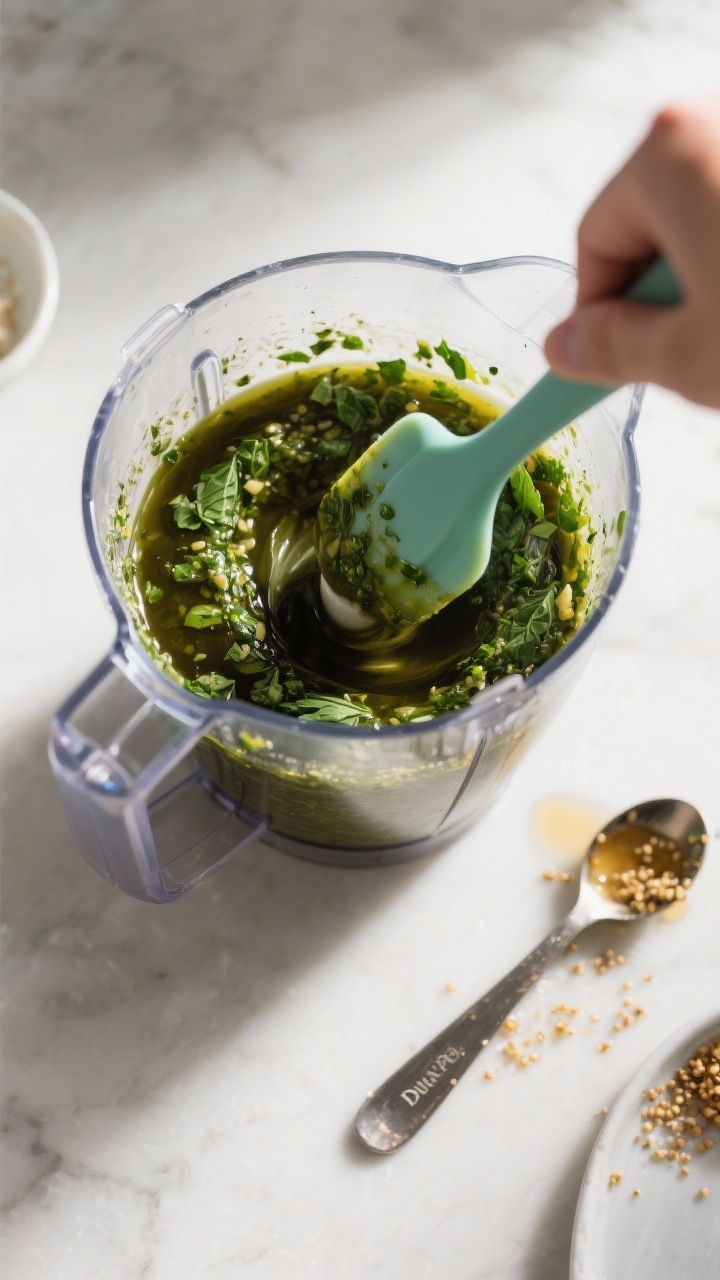
Add basil: Add the basil leaves.
If blending, pulse until finely chopped and fragrant. If whisking, finely chop basil first and stir it in.
-
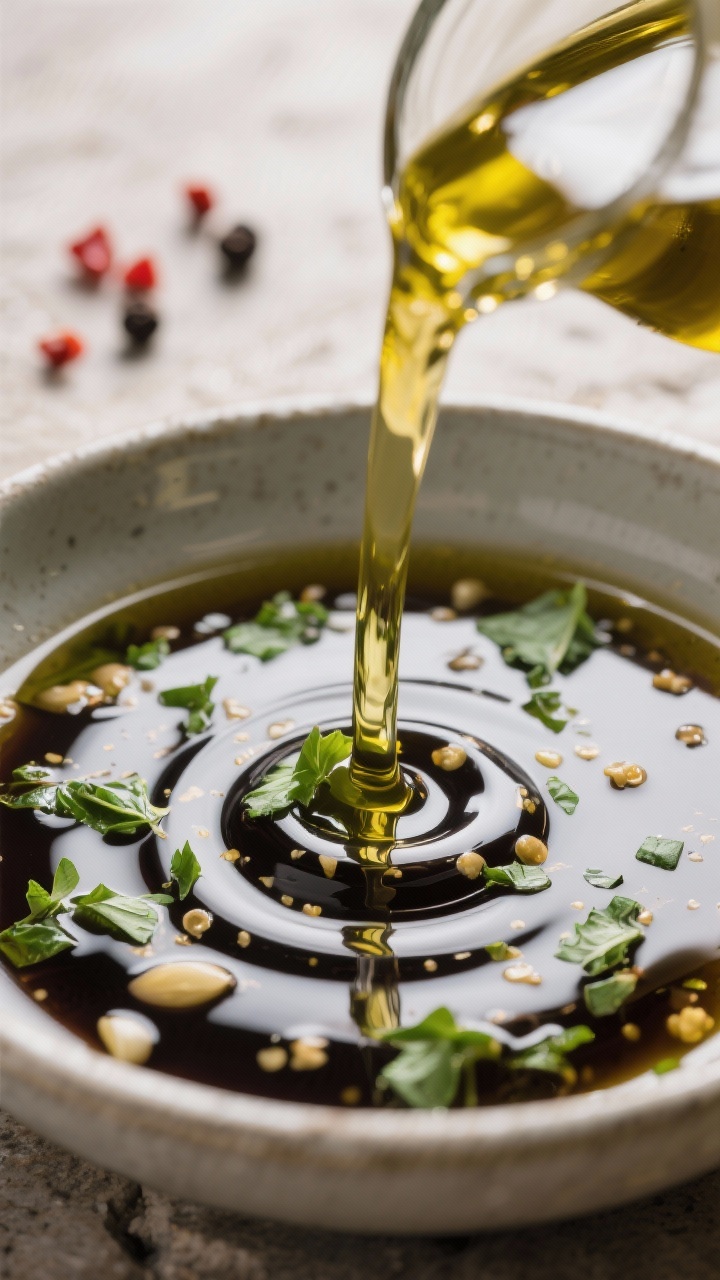
Stream in the oil: While whisking or with the blender on low, slowly drizzle in the olive oil until the mixture thickens and looks glossy. This creates a stable emulsion.
-
Taste and adjust: Add lemon juice for extra brightness, a pinch of red pepper flakes for heat, or a touch more honey for balance.
Adjust salt and pepper.
-
Rest and serve: Let the vinaigrette sit for 10 minutes so flavors settle. Give it a quick whisk or shake before using.
What Makes This Recipe So Good
- Big flavor, little effort: A handful of ingredients and five minutes turn into a dressing that makes a simple salad feel special.
- Balanced and versatile: The sweetness of balsamic, the warmth of garlic, and the brightness of basil work with leafy greens, grains, and proteins.
- Customizable: Adjust acidity, sweetness, and texture to match your taste or what you’re serving.
- Better than store-bought: No strange additives, and you control the salt, sugar, and oil quality.
- Meal-prep friendly: Keeps for days and tastes even better after a few hours as flavors meld.
Shopping List
- Fresh basil leaves: About 1 packed cup
- Balsamic vinegar: 3–4 tablespoons, good quality
- Extra-virgin olive oil: 1/2 cup
- Dijon mustard: 1–2 teaspoons
- Honey or maple syrup: 1–2 teaspoons (optional, for balance)
- Garlic:1 small clove, minced or grated
- Salt and black pepper: To taste
- Lemon juice: 1–2 teaspoons (optional, for brightness)
- Red pepper flakes: Pinch (optional, for heat)
How to Make It
- Prep the basil: Rinse, pat dry, and remove tough stems. Pack 1 cup of leaves.
Dry leaves blend better and won’t water down the dressing.
- Choose your method: For a smoother, emulsified dressing, use a blender or food processor. For a rustic texture, whisk by hand in a bowl.
- Blend or whisk the base: Combine balsamic vinegar, Dijon, honey (if using), garlic, salt, and pepper. Whisk or pulse until combined.
- Add basil: Add the basil leaves.
If blending, pulse until finely chopped and fragrant. If whisking, finely chop basil first and stir it in.
- Stream in the oil: While whisking or with the blender on low, slowly drizzle in the olive oil until the mixture thickens and looks glossy. This creates a stable emulsion.
- Taste and adjust: Add lemon juice for extra brightness, a pinch of red pepper flakes for heat, or a touch more honey for balance.
Adjust salt and pepper.
- Rest and serve: Let the vinaigrette sit for 10 minutes so flavors settle. Give it a quick whisk or shake before using.
How to Store
- Refrigerate: Store in a sealed jar or bottle for up to 5–7 days.
- Shake before using: Natural separation is normal. A vigorous shake or brief whisk brings it back together.
- Freshness tip: If the basil darkens, the flavor is still good.
For best color, make smaller batches more often.
- Do not freeze: Freezing changes the texture of the basil and breaks the emulsion.
Why This is Good for You
- Heart-healthy fats: Extra-virgin olive oil provides monounsaturated fats and antioxidants like polyphenols.
- Herb power: Basil offers plant compounds and a burst of flavor that helps you enjoy more veggies.
- Lower sugar than bottled: Many store-bought dressings add lots of sugar. Here, sweetness is optional and minimal.
- Encourages more produce: A delicious dressing makes salads, grain bowls, and roasted veggies more appealing.
Pitfalls to Watch Out For
- Using poor-quality vinegar or oil: These are the backbone. If they taste harsh or flat, the dressing will too.
- Skipping the emulsification: Dumping oil in all at once can cause separation.
Stream it in slowly while whisking or blending.
- Over-blending basil: Too much blending can make the dressing slightly bitter or dull green. Pulse just until chopped.
- Too much garlic: Raw garlic is potent. Start small; you can always add more.
- Not seasoning enough: A pinch more salt often makes all the flavors pop.
Taste and adjust at the end.
Variations You Can Try
- Creamy basil balsamic: Whisk in 1–2 tablespoons of Greek yogurt or mayonnaise for a silky texture.
- Caprese twist: Add a spoonful of pesto and a splash of red wine vinegar. Drizzle over tomatoes and mozzarella.
- Nutty version: Blend in 1–2 tablespoons of toasted pine nuts or almonds for body and a subtle nuttiness.
- Citrus lift: Swap some balsamic with fresh lemon juice or orange juice for a brighter, lighter vibe.
- Shallot and herb mix: Add a tablespoon of finely minced shallot and a few leaves of parsley or mint.
- No-sweetener: Skip honey and rely on the natural sweetness of balsamic. Use a milder balsamic if needed.
- Spicy kick: Add Calabrian chili paste or extra red pepper flakes for heat.
FAQ
Can I use dried basil?
Yes, but the flavor and freshness won’t be the same.
If you must, use 1–2 teaspoons of dried basil and let the dressing sit at least 30 minutes so it hydrates.
What’s the best balsamic to use?
Choose a good mid-range balsamic with natural sweetness and balanced acidity. It should taste pleasant on its own, not overly sour or syrupy.
Can I make this without mustard?
Yes. Mustard helps emulsify and adds depth, but you can leave it out.
Use a splash more honey and whisk longer, or blend to help it hold.
How do I fix a broken vinaigrette?
If it separates, whisk vigorously or blend for a few seconds. To re-emulsify, whisk a teaspoon of Dijon with a splash of vinegar, then slowly whisk in the separated dressing.
Is it vegan?
It can be. Use maple syrup or skip the sweetener entirely, and avoid yogurt or mayo in creamy versions.
What should I serve it with?
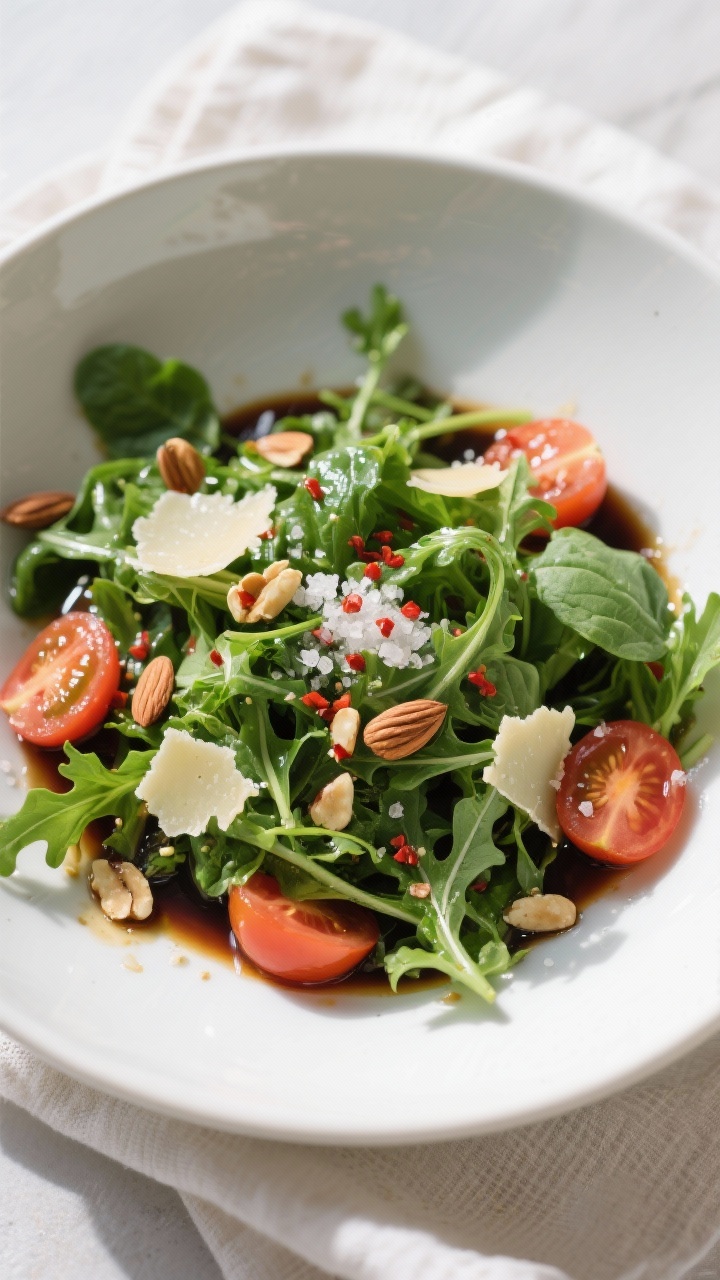
Toss it with mixed greens, spinach, or arugula.
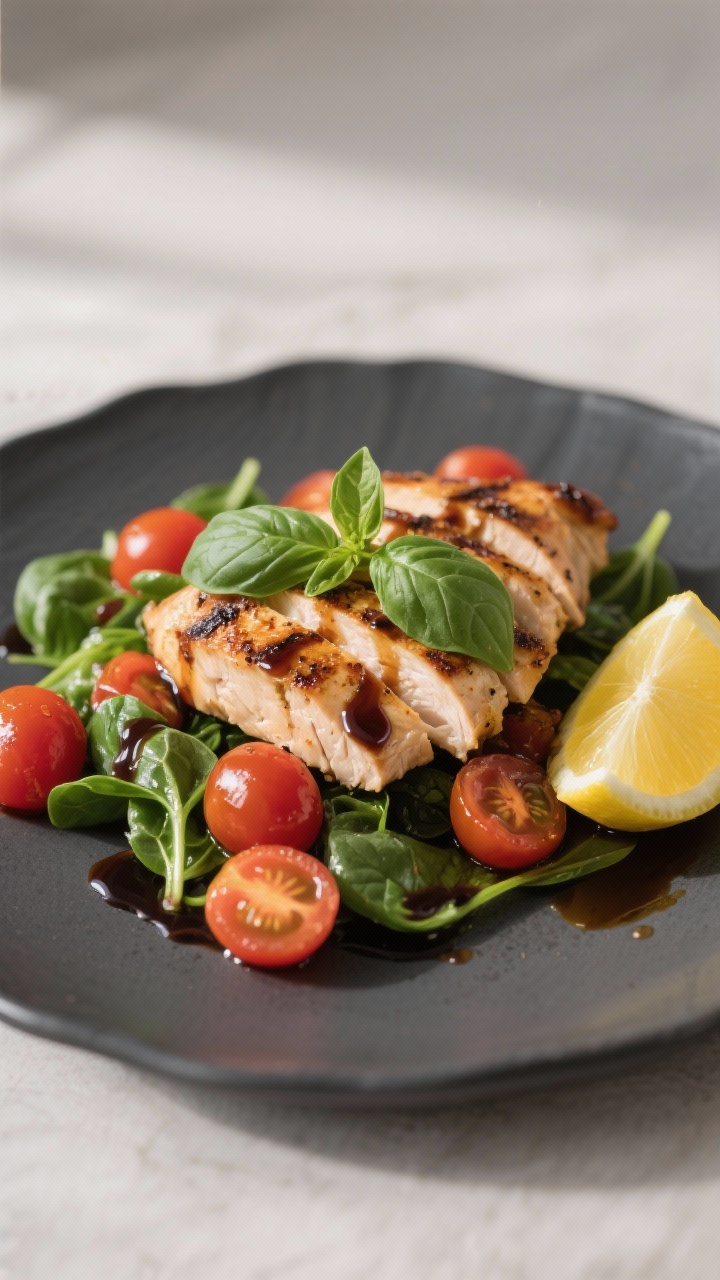
It’s also great on grilled vegetables, chicken, steak, salmon, pasta salad, or a tomato and mozzarella platter.
Can I use another oil?
You can substitute part of the olive oil with a neutral oil like avocado or grapeseed to soften the flavor, but keep some extra-virgin for character.
How much dressing does this make?
This recipe yields about 3/4 cup, enough for 4–6 side salads. Double it if you’re meal prepping for the week.
Will lemon juice make it too sour?
Not if used lightly. Start with 1 teaspoon, taste, and adjust.
Lemon adds sparkle without drowning out the balsamic.
Can I add cheese?
Absolutely. A tablespoon of finely grated Parmesan adds umami and a creamy body. Use sparingly so it doesn’t overpower the basil.
In Conclusion
Basil balsamic vinaigrette is a simple upgrade that makes everyday meals feel fresh and vibrant.
With a handful of ingredients and a few minutes, you get a balanced, versatile dressing you’ll use all week. Keep a jar on hand, shake before serving, and adjust to your taste. It’s the kind of staple that turns a pile of greens into something you look forward to.
Printable Recipe Card
Want just the essential recipe details without scrolling through the article? Get our printable recipe card with just the ingredients and instructions.