

A baked frittata is one of those dishes that feels easy yet special. It looks impressive, feeds a crowd, and uses simple ingredients you probably already have. Eggs, veggies, cheese, and a good pan are all you really need.
This version is baked in the oven, so there’s no flipping and no stress. It’s perfect for brunch, quick dinners, or meal prep, and it’s endlessly flexible based on what you like.

Ingredients
Method
-
Heat the oven: Preheat to 375°F (190°C). Place a rack in the center.
Grease a 9–10 inch oven-safe skillet or a similar baking dish.
-
Prep the mix-ins: Chop your vegetables into small, bite-size pieces. If using leafy greens like spinach, roughly chop them. Dice any cooked meats into small bits so they distribute evenly.
-
Sauté the aromatics: Warm the olive oil or butter in the skillet over medium heat.
Add the onion and a pinch of salt. Cook 3–5 minutes until soft and translucent. Stir in garlic and cook for 30 seconds until fragrant.
-
Cook the vegetables: Add firmer vegetables first (like mushrooms, peppers, or broccoli) and cook until most moisture cooks off and edges begin to brown.
Add quick-cooking greens last so they wilt but don’t release excess water. Season lightly with salt and pepper as you go.
-
Combine the eggs and dairy: In a large bowl, whisk the eggs, milk or half-and-half, 1 teaspoon salt, 1/2 teaspoon pepper, and red pepper flakes if using. Whisk until the mixture looks smooth and slightly frothy.
This helps the frittata set light and fluffy.
-
Add cheese and herbs: Stir in the Parmesan, half of the shredded cheese, and the herbs. Fold in the cooked meat if using.
-
Assemble in the pan: Spread the sautéed vegetables evenly in the greased skillet or baking dish. Pour the egg mixture over the top.
Sprinkle the remaining shredded cheese evenly over the surface.
-
Bake: Transfer to the oven and bake for 18–24 minutes, depending on pan size and depth. The frittata is done when the edges are set, the center barely jiggles, and a knife inserted near the center comes out clean or with soft curds.
-
Rest and serve: Let it cool for 5–10 minutes. This helps it set and makes slicing easier.
Slice into wedges and serve warm or at room temperature.
What Makes This Special
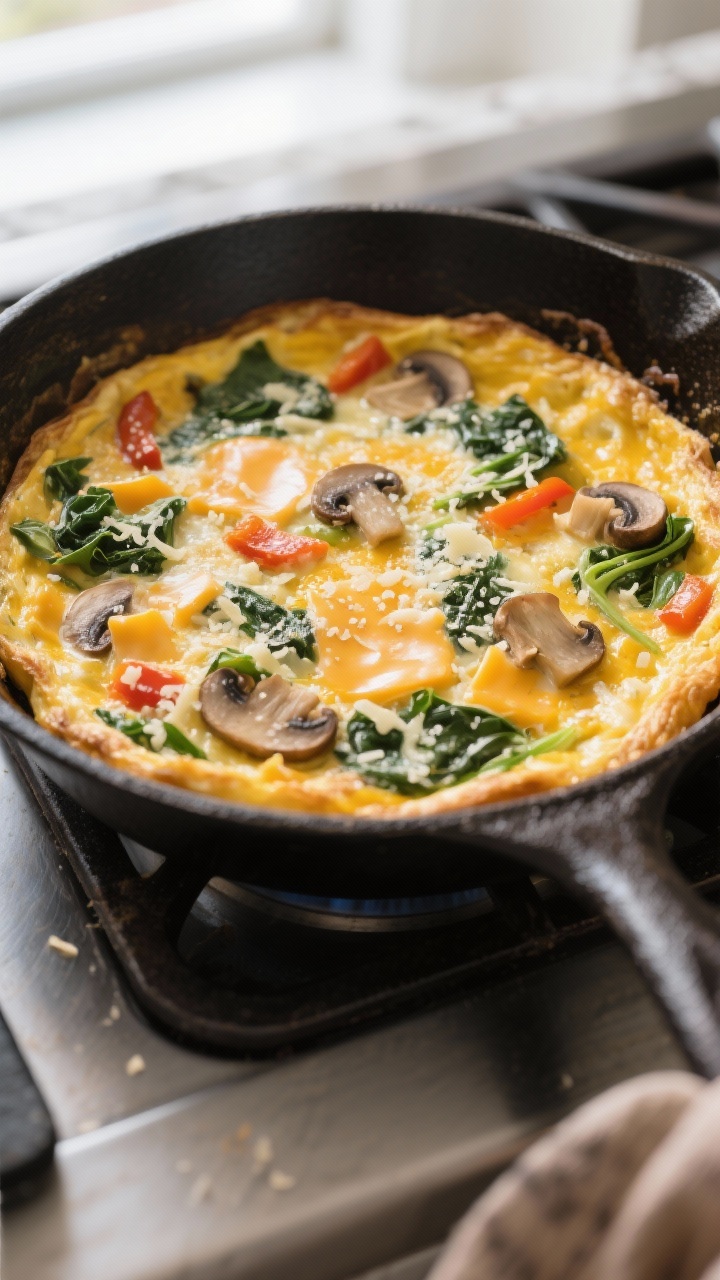
This baked frittata focuses on flavor, texture, and convenience. Instead of cooking it entirely on the stove, baking gives you a fluffy, evenly cooked center and a lightly golden top.
It’s also a great fridge-cleanout recipe: toss in leftover vegetables, bits of cheese, or cooked meats and make something delicious. The ingredient ratios here keep the frittata tender, not rubbery, and the method avoids soggy or overly browned edges.
Shopping List
- Eggs: 10 large
- Dairy: 1/2 cup whole milk or half-and-half; 1/3 cup grated Parmesan; 1 cup shredded cheese (cheddar, gruyère, or mozzarella)
- Vegetables: 1 small onion or shallot; 2 cups chopped vegetables (e.g., spinach, bell peppers, broccoli, cherry tomatoes, zucchini, mushrooms)
- Herbs & Aromatics: 2 cloves garlic; 2 tablespoons fresh herbs (parsley, chives, basil) or 1 teaspoon dried Italian seasoning
- Protein (optional): 4–6 slices cooked bacon, 1 cup cooked sausage, diced ham, or smoked salmon
- Fat: 2 tablespoons olive oil or butter
- Seasoning: 1 teaspoon kosher salt; 1/2 teaspoon black pepper; pinch of red pepper flakes (optional)
- Pan Prep: Nonstick spray or extra butter for greasing
Instructions
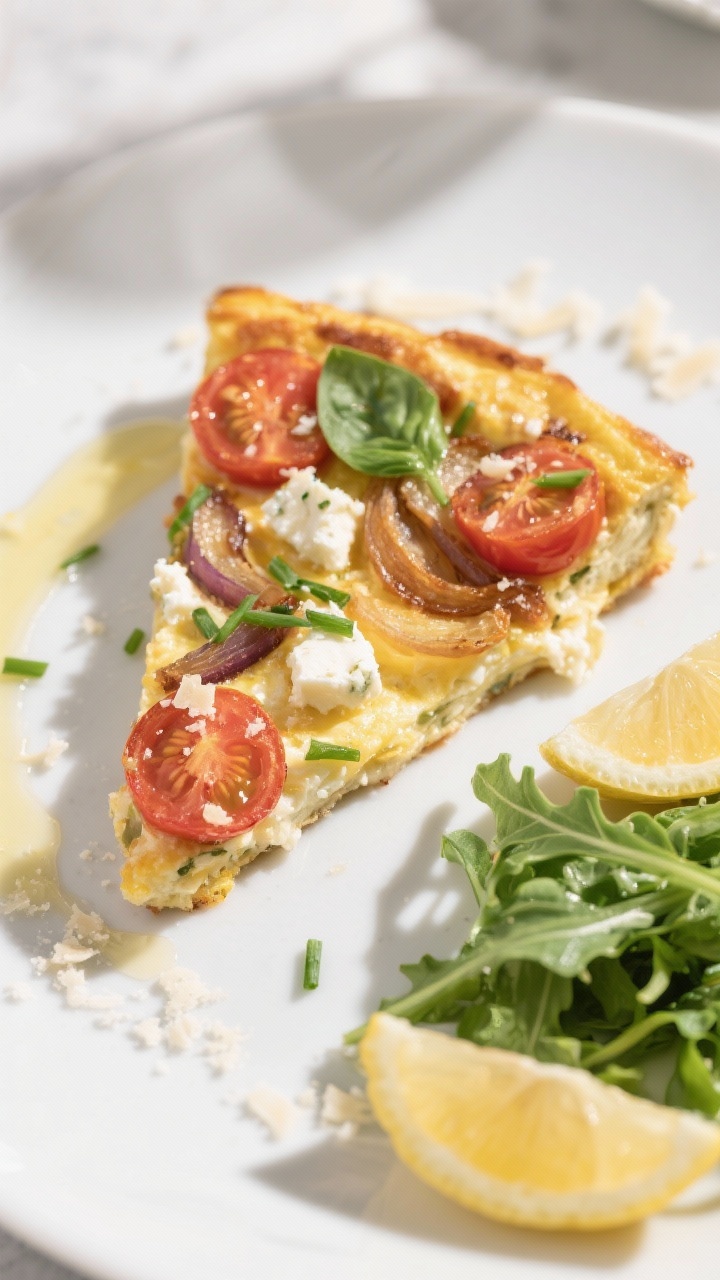
- Heat the oven: Preheat to 375°F (190°C). Place a rack in the center.
Grease a 9–10 inch oven-safe skillet or a similar baking dish.
- Prep the mix-ins: Chop your vegetables into small, bite-size pieces. If using leafy greens like spinach, roughly chop them. Dice any cooked meats into small bits so they distribute evenly.
- Sauté the aromatics: Warm the olive oil or butter in the skillet over medium heat.
Add the onion and a pinch of salt. Cook 3–5 minutes until soft and translucent. Stir in garlic and cook for 30 seconds until fragrant.
- Cook the vegetables: Add firmer vegetables first (like mushrooms, peppers, or broccoli) and cook until most moisture cooks off and edges begin to brown.
Add quick-cooking greens last so they wilt but don’t release excess water. Season lightly with salt and pepper as you go.
- Combine the eggs and dairy: In a large bowl, whisk the eggs, milk or half-and-half, 1 teaspoon salt, 1/2 teaspoon pepper, and red pepper flakes if using. Whisk until the mixture looks smooth and slightly frothy.
This helps the frittata set light and fluffy.
- Add cheese and herbs: Stir in the Parmesan, half of the shredded cheese, and the herbs. Fold in the cooked meat if using.
- Assemble in the pan: Spread the sautéed vegetables evenly in the greased skillet or baking dish. Pour the egg mixture over the top.
Sprinkle the remaining shredded cheese evenly over the surface.
- Bake: Transfer to the oven and bake for 18–24 minutes, depending on pan size and depth. The frittata is done when the edges are set, the center barely jiggles, and a knife inserted near the center comes out clean or with soft curds.
- Rest and serve: Let it cool for 5–10 minutes. This helps it set and makes slicing easier.
Slice into wedges and serve warm or at room temperature.
How to Store
Store leftovers in an airtight container in the fridge for up to 4 days. Let it cool completely before sealing to avoid condensation. Reheat slices in a low oven at 300°F (150°C) for 8–10 minutes, or gently in a skillet over medium-low heat.
You can also microwave in short bursts, but keep it brief to avoid rubbery eggs. For longer storage, wrap individual slices well and freeze for up to 2 months; thaw overnight in the fridge before reheating.

Benefits of This Recipe
- Flexible: Works with almost any vegetable, cheese, or meat you have on hand.
- Make-ahead friendly: Keeps well for quick breakfasts or lunches all week.
- No-fuss cooking: Baking removes the stress of flipping and prevents uneven stovetop heat.
- Nourishing: Packed with protein and can be loaded with fiber-rich veggies.
- Budget-friendly: Uses simple staples and stretches a dozen eggs to feed several people.
Common Mistakes to Avoid
- Too much liquid: Watery vegetables or extra milk can make the frittata soggy. Cook off moisture from veggies and stick to the listed dairy amount.
- Overbaking: This leads to rubbery eggs.
Pull it when the center is just set with a slight jiggle; it will finish setting as it rests.
- Skipping pan prep: Grease your pan well so slices release cleanly and edges don’t stick.
- Large, uneven pieces: Big chunks can cause uneven cooking. Keep mix-ins small and evenly spread.
- Under-seasoning: Eggs need salt. Season the vegetables as they cook and the egg mixture before baking.
Recipe Variations
- Classic Florentine: Sautéed spinach, garlic, onions, Parmesan, and mozzarella.
Finish with a sprinkle of nutmeg.
- Garden Veggie: Zucchini, cherry tomatoes, bell peppers, basil, and feta or goat cheese.
- Meaty Brunch: Bacon or sausage, caramelized onions, cheddar, and chives.
- Mediterranean: Roasted red peppers, olives, artichokes, sun-dried tomatoes, and crumbled feta.
- Smoked Salmon: Flaked smoked salmon, dill, capers, and cream cheese dollops.
- Potato & Leek: Thinly sliced pre-cooked potatoes, sautéed leeks, gruyère, and thyme.
- Dairy-Free: Use olive oil, skip the cheese, and add flavorful veggies like mushrooms and roasted peppers for richness.
FAQ
Can I use egg whites instead of whole eggs?
Yes, but the texture will be lighter and a bit drier. Use about 14–16 egg whites to replace 10 whole eggs, and consider adding an extra tablespoon of olive oil or a splash more non-dairy milk for moisture.
What’s the best pan to use?
An oven-safe nonstick or well-seasoned cast-iron skillet (9–10 inches) works best. A ceramic or glass baking dish also works; just watch the bake time since thicker dishes can take a few extra minutes.
How do I prevent a soggy frittata?
Cook vegetables until their moisture evaporates and avoid watery add-ins like raw tomatoes.
Pat dry cooked meats and don’t exceed the dairy amount in the recipe.
Can I make this ahead?
You can prep the mix-ins and whisk the egg base a day ahead, storing them separately in the fridge. Assemble and bake the day of. Fully baked frittata also reheats well for quick meals.
Why did my frittata puff up and then deflate?
That’s normal.
Steam causes puffing in the oven, and it settles as it cools. If it deflates dramatically and weeps liquid, it was likely overbaked or had too much moisture.
How many people does this serve?
A 10-egg frittata serves 6–8 as part of a brunch spread or 4–6 as a main dish, depending on appetite and sides.
What should I serve with it?
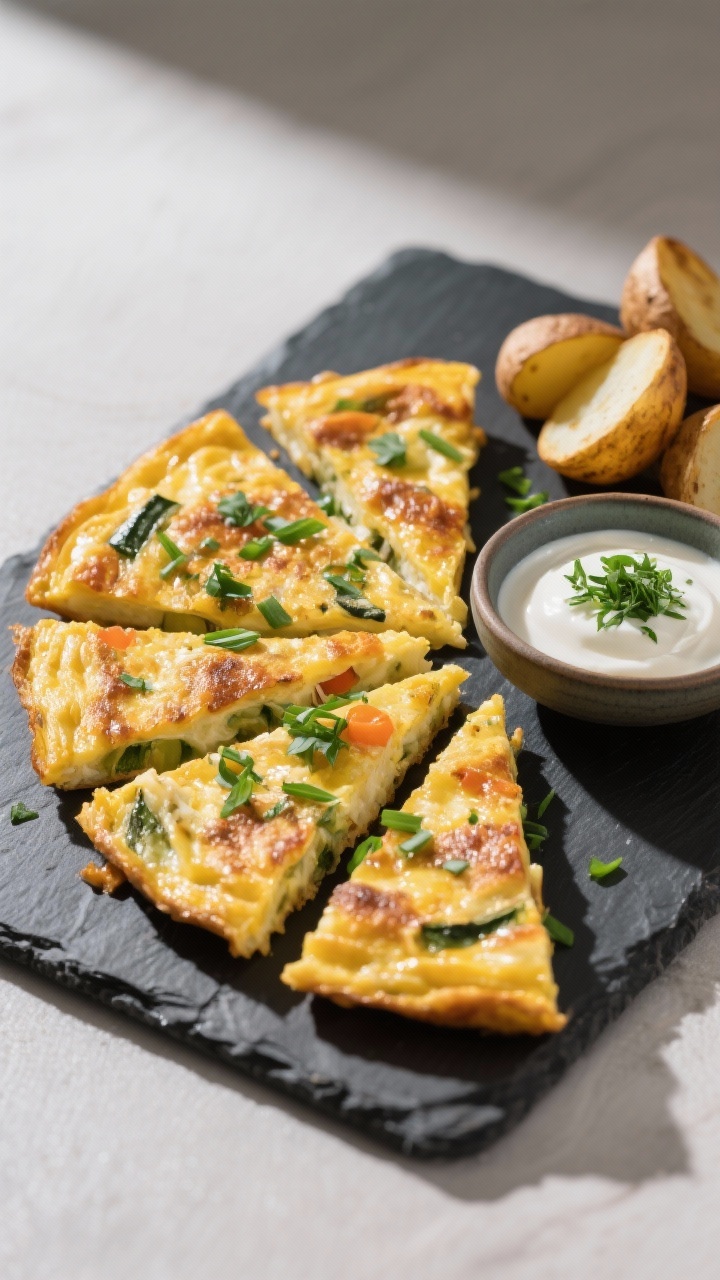
A simple green salad, roasted potatoes, toast, or fresh fruit pair well. For a heartier meal, add a side of soup or crusty bread.
In Conclusion
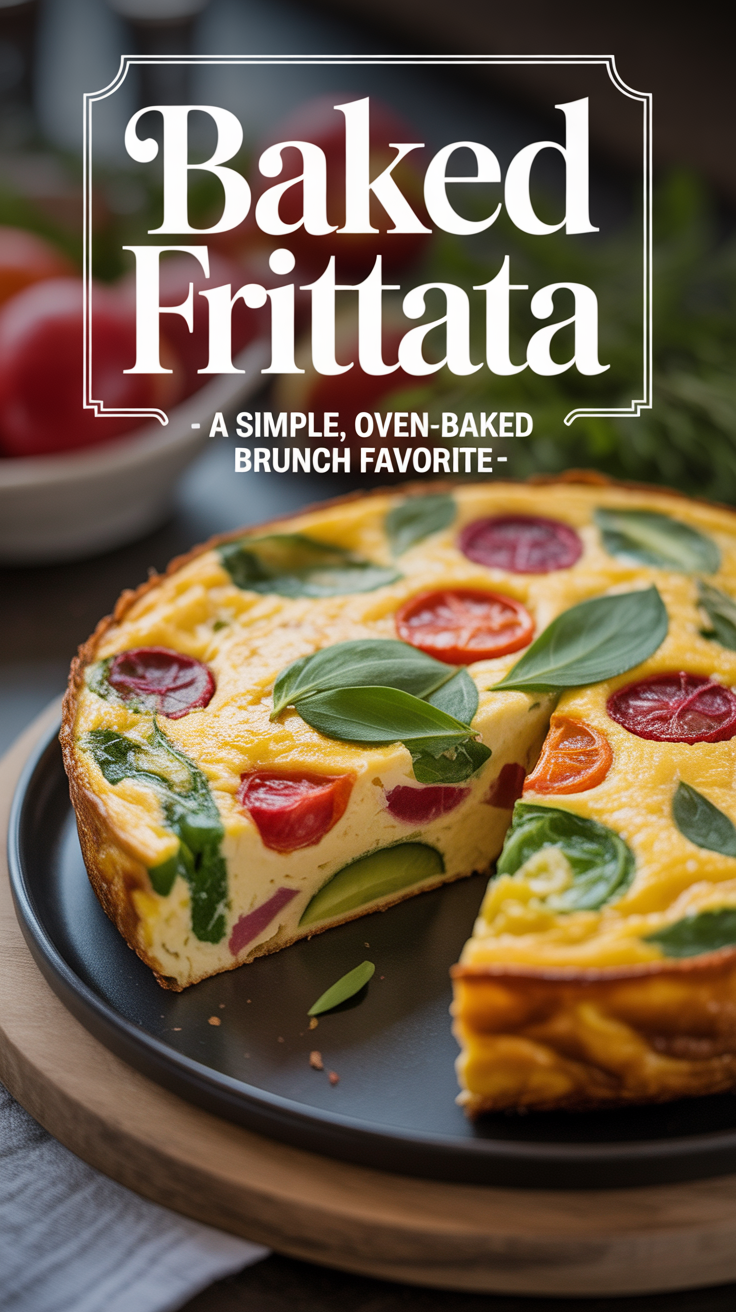
A baked frittata is the kind of recipe you’ll come back to again and again.
It’s reliable, adaptable, and quick, whether you’re feeding guests or planning meals for the week. With the right ratios and a few smart steps, you’ll get tender, custardy eggs and a golden top every time. Keep it simple, use what you have, and make it your own.
Printable Recipe Card
Want just the essential recipe details without scrolling through the article? Get our printable recipe card with just the ingredients and instructions.