
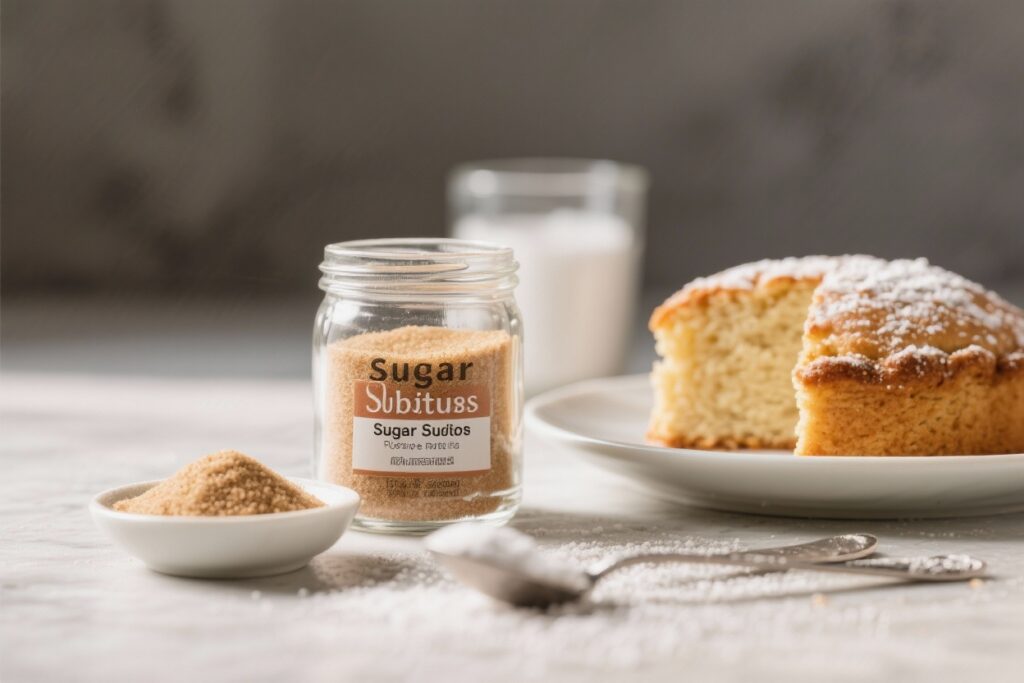
If you love baking but want to cut back on sugar, you have more options than ever. The challenge is that sugar doesn’t just sweeten; it also adds moisture, structure, browning, and texture. Swap it carelessly and you can end up with dry muffins, pale cookies, or a sunken cake.
The good news: with the right substitutes and a few simple adjustments, you can still get great results. This guide shows you what to use, how much to use, and how to avoid common mistakes.
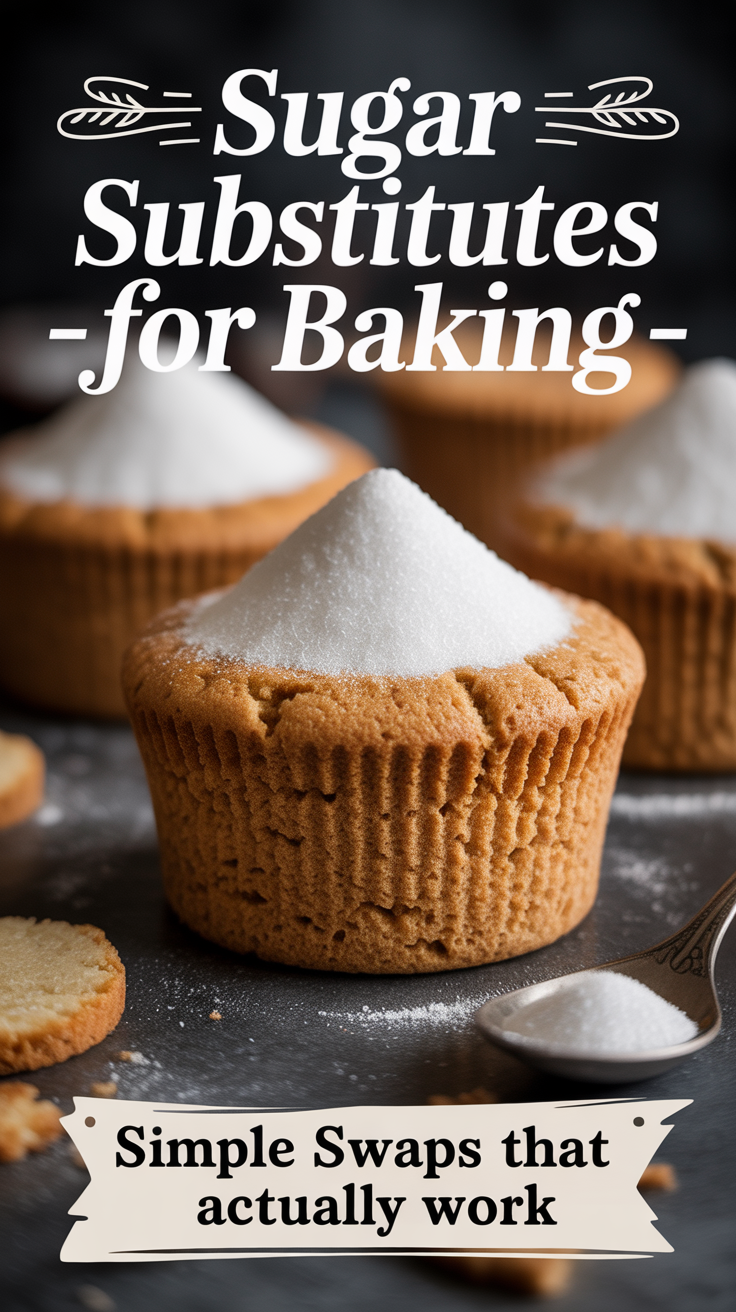
Sugar Substitutes For Baking – Simple Swaps That Actually Work
Ingredients
Method
-
Choose the right substitute for the job. For cookies and brownies, use erythritol blends or allulose for good spread and chew. For cakes and muffins, allulose or liquid sweeteners keep crumbs moist. For caramel notes, try coconut sugar or a small amount of molasses.
-
Use these basic conversion ratios. Allulose: Use 1 1/3 cups allulose for every 1 cup sugar.
Reduce oven temp by 25°F to prevent over-browning.
-
Erythritol: Use 1:1 by volume, but add 1–2 tablespoons liquid per cup used to offset dryness.
-
Monk fruit blends: Most bake 1:1. Check the package, then follow the same moisture tip as erythritol if it includes erythritol.
-
Stevia baking blends: Follow package equivalency. If using pure stevia, pair with bulking agents (applesauce, yogurt, or extra flour) to replace volume.
-
Maple syrup/honey/agave: Use 3/4 cup liquid sweetener for 1 cup sugar.
Reduce other liquids in the recipe by 2–4 tablespoons, and bake 5–10 minutes longer if needed.
-
Coconut sugar: Use 1:1 in place of brown or white sugar. Expect slightly less moisture and browning than brown sugar.
-
Date sugar: Use 1:1 but note it doesn’t melt; best in crumbly cookies and quick breads.
-
Replace lost moisture. When using erythritol or blends, add 1–2 tablespoons milk, water, or oil per cup used. For cakes, add 2 tablespoons applesauce or yogurt to keep the crumb soft.
-
Encourage browning. Sugar caramelizes; substitutes don’t always.
Add 1–2 teaspoons molasses per cup of substitute or a pinch of baking soda with a splash of acid (like lemon juice) to help color. Lower the oven temp for allulose by 25°F to prevent over-browning.
-
Balance flavor. Add 1 teaspoon vanilla, a pinch more salt, or warm spices to round out any “cooling” aftertaste from erythritol or monk fruit blends.
-
Watch the bake time. Substituted bakes can cook faster or slower. Start checking 5–10 minutes early, and look for visual cues: set centers, golden edges, and clean toothpick for cakes.
-
Cool completely. Erythritol-based bakes firm up as they cool.
Don’t judge texture straight from the oven.
-
Adjust on the next round. If results are dry, add more moisture next time. If pale, extend bake by a few minutes or add a touch of molasses. If too soft, increase flour by 1–2 tablespoons.
What Makes This Recipe So Good
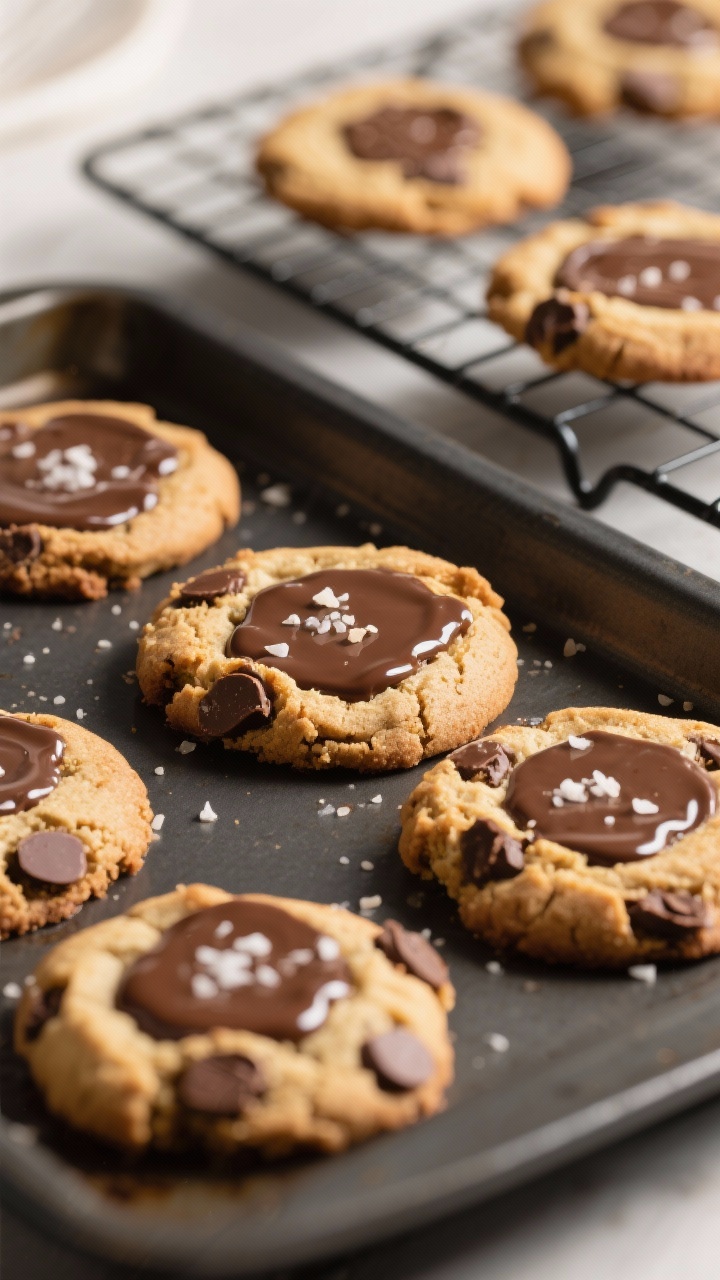
This isn’t a single recipe—it’s your go-to playbook for replacing sugar in cookies, cakes, muffins, and quick breads. You’ll find clear conversions, when to use each sweetener, and simple fixes so your bakes turn out moist, tender, and well-browned.
Think of it as a shortcut to consistent, reliable results without a sugar overload.
- Practical conversions: Easy ratios that work in most home baking.
- Better texture and browning: Tips to replace sugar’s structure and caramelization.
- Flexible options: Natural sweeteners, zero-calorie alternatives, and low-glycemic picks.
- Diet-friendly: Suggestions for keto, low-sugar, and gluten-free diets.
- Tested guidance: Simple tweaks like adding moisture or baking at the right temperature.
Shopping List
- Granulated options: Erythritol, allulose, xylitol, monk fruit blend (with erythritol or allulose), stevia blend (baking blend)
- Liquid options: Maple syrup, honey, agave nectar, date syrup
- Unrefined dry options: Coconut sugar, date sugar
- Brown sugar substitutes: Coconut sugar, erythritol + a little molasses, brown “monk fruit” blend
- Moisture boosters: Unsweetened applesauce, Greek yogurt, extra egg white, milk or plant milk
- Structure and texture helpers: Cornstarch, arrowroot, psyllium husk, almond flour (for keto bakes)
- Flavor boosters: Vanilla extract, cinnamon, espresso powder, citrus zest, salt
Instructions
- Choose the right substitute for the job. For cookies and brownies, use erythritol blends or allulose for good spread and chew. For cakes and muffins, allulose or liquid sweeteners keep crumbs moist. For caramel notes, try coconut sugar or a small amount of molasses.
- Use these basic conversion ratios.
- Allulose: Use 1 1/3 cups allulose for every 1 cup sugar.
Reduce oven temp by 25°F to prevent over-browning.
- Erythritol: Use 1:1 by volume, but add 1–2 tablespoons liquid per cup used to offset dryness.
- Monk fruit blends: Most bake 1:1. Check the package, then follow the same moisture tip as erythritol if it includes erythritol.
- Stevia baking blends: Follow package equivalency. If using pure stevia, pair with bulking agents (applesauce, yogurt, or extra flour) to replace volume.
- Maple syrup/honey/agave: Use 3/4 cup liquid sweetener for 1 cup sugar.
Reduce other liquids in the recipe by 2–4 tablespoons, and bake 5–10 minutes longer if needed.
- Coconut sugar: Use 1:1 in place of brown or white sugar. Expect slightly less moisture and browning than brown sugar.
- Date sugar: Use 1:1 but note it doesn’t melt; best in crumbly cookies and quick breads.
- Allulose: Use 1 1/3 cups allulose for every 1 cup sugar.
- Replace lost moisture. When using erythritol or blends, add 1–2 tablespoons milk, water, or oil per cup used. For cakes, add 2 tablespoons applesauce or yogurt to keep the crumb soft.
- Encourage browning. Sugar caramelizes; substitutes don’t always.
Add 1–2 teaspoons molasses per cup of substitute or a pinch of baking soda with a splash of acid (like lemon juice) to help color. Lower the oven temp for allulose by 25°F to prevent over-browning.
- Balance flavor. Add 1 teaspoon vanilla, a pinch more salt, or warm spices to round out any “cooling” aftertaste from erythritol or monk fruit blends.
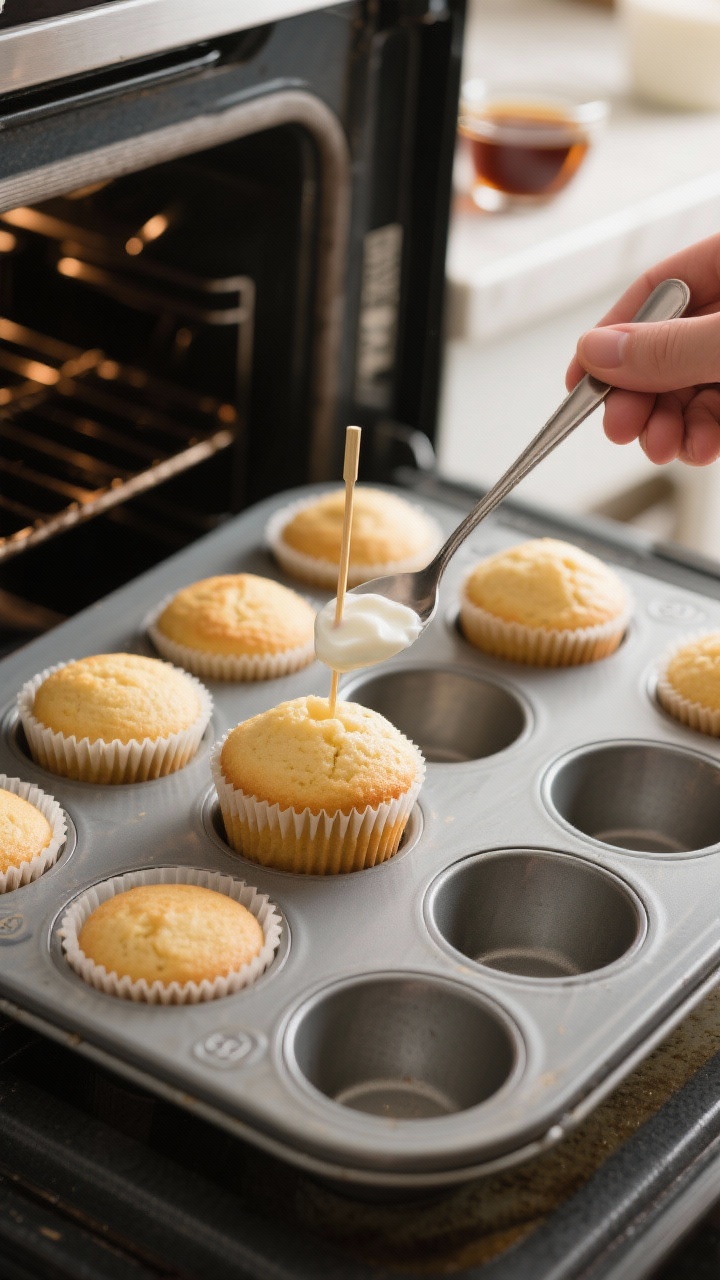
- Watch the bake time. Substituted bakes can cook faster or slower. Start checking 5–10 minutes early, and look for visual cues: set centers, golden edges, and clean toothpick for cakes.
- Cool completely. Erythritol-based bakes firm up as they cool.
Don’t judge texture straight from the oven.
- Adjust on the next round. If results are dry, add more moisture next time. If pale, extend bake by a few minutes or add a touch of molasses. If too soft, increase flour by 1–2 tablespoons.
Storage Instructions
- Room temperature: Most cookies and quick breads with erythritol or coconut sugar keep 3–4 days in an airtight container.
Add a slice of bread or apple to maintain moisture.
- Refrigeration: Moist cakes made with allulose or liquid sweeteners last 5–7 days covered. Bring to room temp before serving for best texture.
- Freezer: Wrap tightly and freeze up to 2–3 months. Thaw at room temperature, then refresh in a 300°F oven for 5–8 minutes if needed.
Health Benefits
- Lower sugar load: Zero- or low-calorie sweeteners like allulose, erythritol, and monk fruit blends help reduce overall sugar intake.
- Stable energy: Many substitutes have a smaller impact on blood sugar than white sugar.
Allulose and erythritol are especially low-glycemic.
- Fewer calories per serving: Helpful for calorie-conscious baking without giving up dessert.
- More nutrients with unrefined options: Coconut sugar and date syrup include trace minerals and antioxidants, though they still count as sugar.
What Not to Do
- Don’t swap sugar 1:1 with pure stevia or liquid sweeteners without adjusting volume. You’ll get collapsed cakes or gummy centers.
- Don’t ignore browning differences. Allulose browns fast; erythritol can bake pale. Adjust oven temp and timing.
- Don’t forget moisture. Erythritol can dry out baked goods. Add liquid or a moist ingredient like applesauce.
- Don’t rely on date sugar for smooth batters. It doesn’t melt; avoid it in delicate cakes or smooth frostings.
- Don’t serve xylitol to dogs. It’s highly toxic to pets even in small amounts.
Variations You Can Try
- Keto chocolate chip cookies: Use a monk fruit–erythritol blend 1:1, add 1 tablespoon almond milk, and use sugar-free chocolate chips.
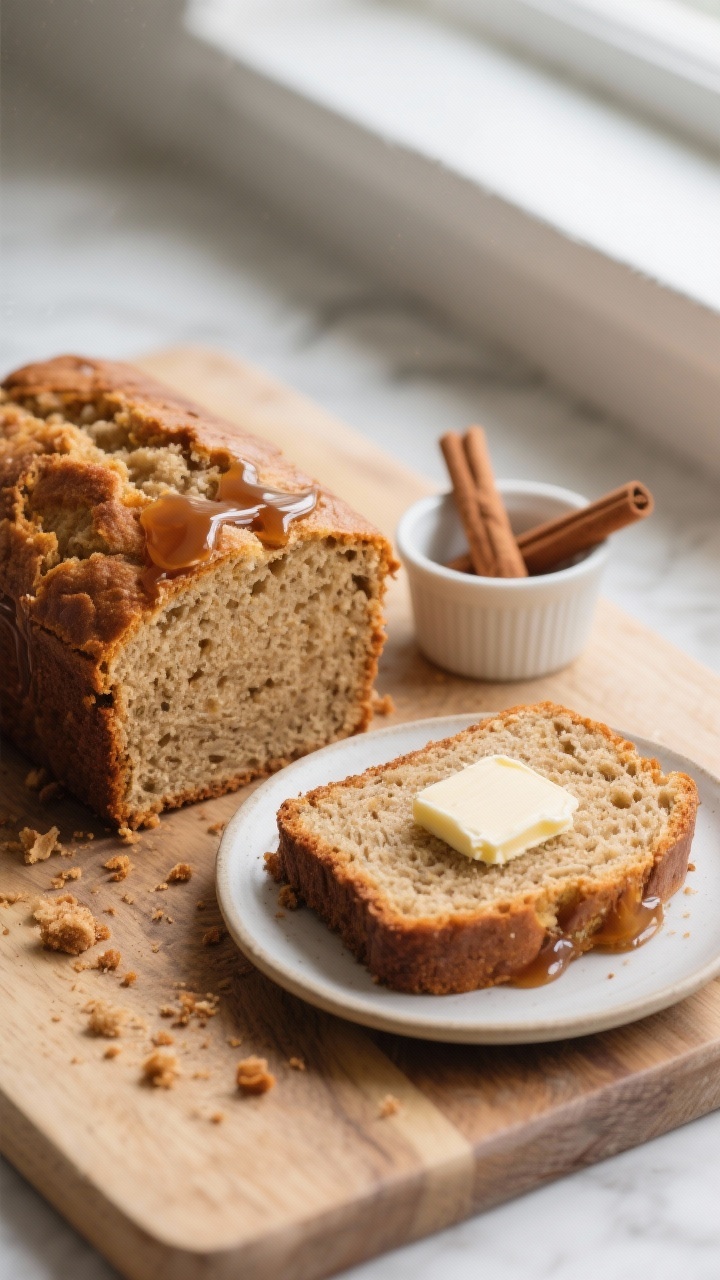
- Moist banana bread: Use 1/2 cup coconut sugar plus 2 tablespoons maple syrup for rich flavor and a tender crumb.
- Vanilla cupcakes: Use allulose at 1 1/3 cups per 1 cup sugar; reduce oven to 325°F and add 2 tablespoons Greek yogurt.
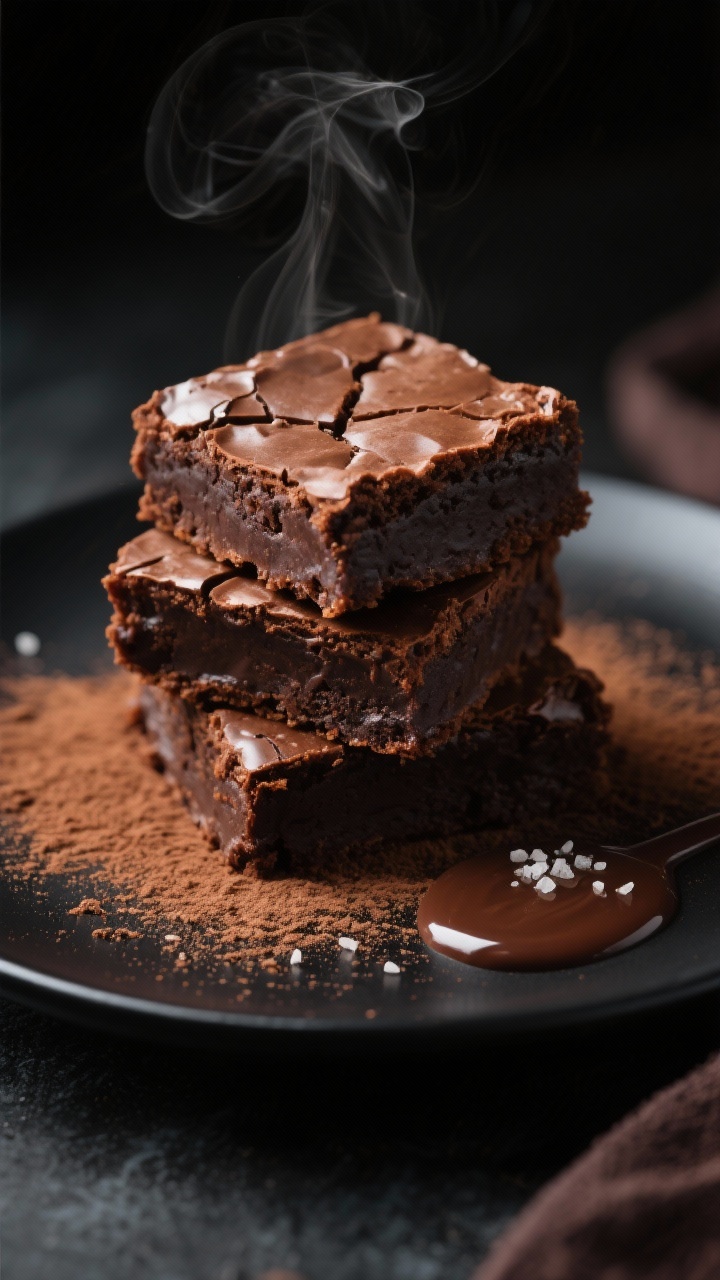
- Chewy brownies: Use a 50/50 mix of erythritol and allulose for balanced sweetness, good chew, and less cooling aftertaste.
- Gingerbread muffins: Use coconut sugar 1:1 plus 1 teaspoon molasses for classic warmth and color.
FAQ
What’s the best overall sugar substitute for baking?
Allulose is the most forgiving for cakes and muffins because it keeps bakes moist and tastes clean.
For cookies, a blend of erythritol and allulose or a monk fruit blend often delivers the best texture and spread.
Why do my sugar-free cookies taste “cool” or minty?
That cooling sensation comes from erythritol. Reduce it slightly, blend with allulose, and add vanilla or cinnamon to round the flavor. Let cookies cool completely before tasting.
Can I make caramel or crunchy toffee with substitutes?
Allulose caramelizes well and is your best bet.
Erythritol can recrystallize and become gritty. For sauces, a mix of allulose and a little real sugar or molasses can improve texture and flavor.
Do liquid sweeteners change the bake time?
Yes. Batters are wetter and may need a few extra minutes.
Reduce other liquids and watch for doneness cues rather than the clock.
Are these substitutes safe for people with diabetes?
Many are considered low-glycemic, especially allulose, erythritol, and monk fruit blends. Individual responses vary, so check labels and monitor blood glucose to see what works best for you.
Can I replace brown sugar directly?
Use coconut sugar 1:1 for a similar flavor. For a closer match, use erythritol or allulose and add 1–2 teaspoons molasses per cup to mimic moisture and depth.
Why did my cake not rise as much?
Reduced sugar can weaken structure and moisture.
Add 1–2 tablespoons yogurt or applesauce, don’t overmix, and ensure leaveners are fresh. Baking at a slightly lower temperature can also help with even rise.
Final Thoughts
You don’t have to give up dessert to cut down on sugar—you just need the right tools. Start with a substitute that fits your recipe, make small moisture and browning adjustments, and keep notes on what works in your kitchen.
With a little practice, your cookies, cakes, and breads will come out sweet, tender, and satisfying, minus the sugar crash.
Printable Recipe Card
Want just the essential recipe details without scrolling through the article? Get our printable recipe card with just the ingredients and instructions.