
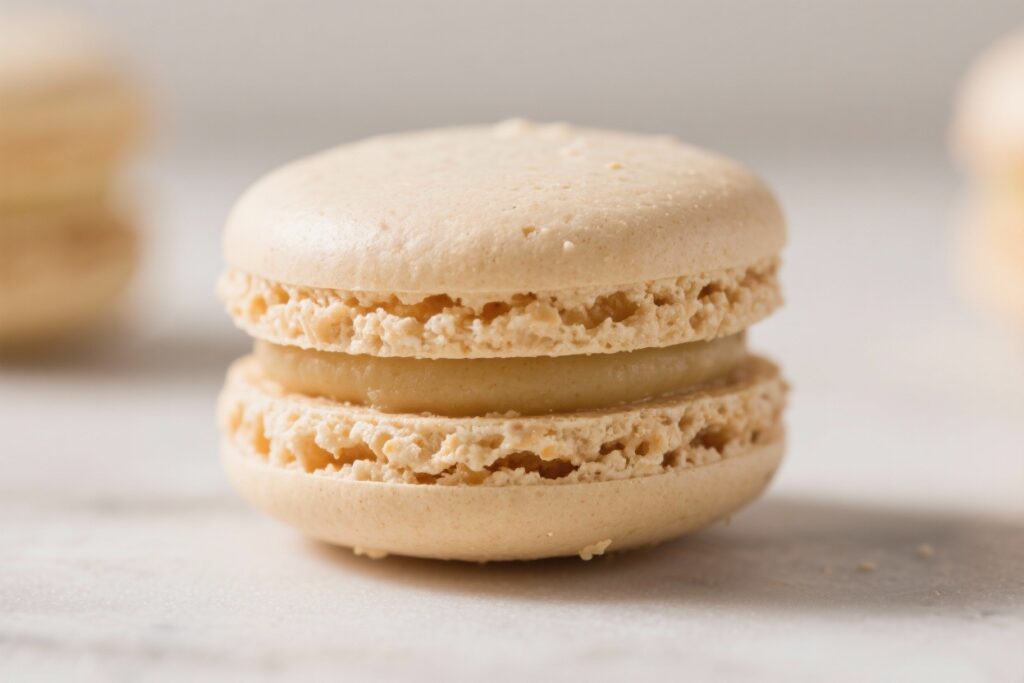
If you crave something sweet but want to keep it low-carb, keto macaroons are a perfect fix. They’re chewy in the center, lightly crisp on the outside, and full of toasted coconut flavor. Best of all, they’re simple to make and use just a handful of pantry staples.
You don’t need special equipment, and the recipe is forgiving enough for beginner bakers. Whether you’re following keto or just avoiding sugar, these macaroons deliver that classic bakery-style bite without the crash.
Ingredients
Method
- Preheat and prep: Heat your oven to 325°F (165°C). Line a baking sheet with parchment paper or a silicone mat. This prevents sticking and promotes even browning.
- Mix dry ingredients: In a bowl, combine 2 cups unsweetened shredded coconut, 1/4 cup almond flour, 1/3–1/2 cup granulated keto sweetener (adjust to taste), and a pinch of salt. Stir to distribute the sweetener and break up any clumps.
- Whisk the wet: In a separate bowl, whisk 2 egg whites until frothy and slightly opaque, 20–30 seconds by hand. Add 2 tablespoons coconut cream (or heavy cream), 1 teaspoon vanilla extract, and 1/4 teaspoon almond extract if using. Whisk to combine.
- Combine: Pour the wet mixture over the dry and stir until the coconut is evenly moistened. The mixture should hold together when squeezed. If it’s too dry, add 1–2 teaspoons more cream.
- Shape the macaroons: Using a tablespoon or small cookie scoop, pack the mixture firmly, then release onto the prepared sheet. Lightly press any stray coconut back into each mound to prevent loose bits from burning.
- Bake: Bake for 16–20 minutes, rotating the pan halfway through. The edges should be golden and the tops lightly toasted. Keep an eye on them at the end; coconut browns fast.
- Cool completely: Let the macaroons rest on the sheet for 5 minutes, then transfer to a rack to cool fully. They firm up as they cool.
- Optional chocolate dip: Melt 3 ounces unsweetened or sugar-free dark chocolate with 1 teaspoon coconut oil in the microwave in 20–30 second bursts, stirring between each. Dip the bottoms of the cooled macaroons or drizzle over the tops. Let set at room temperature or chill briefly.
- Serve: Enjoy as-is or with coffee or tea. They’re rich, so one or two usually hit the spot.
Why This Recipe Works
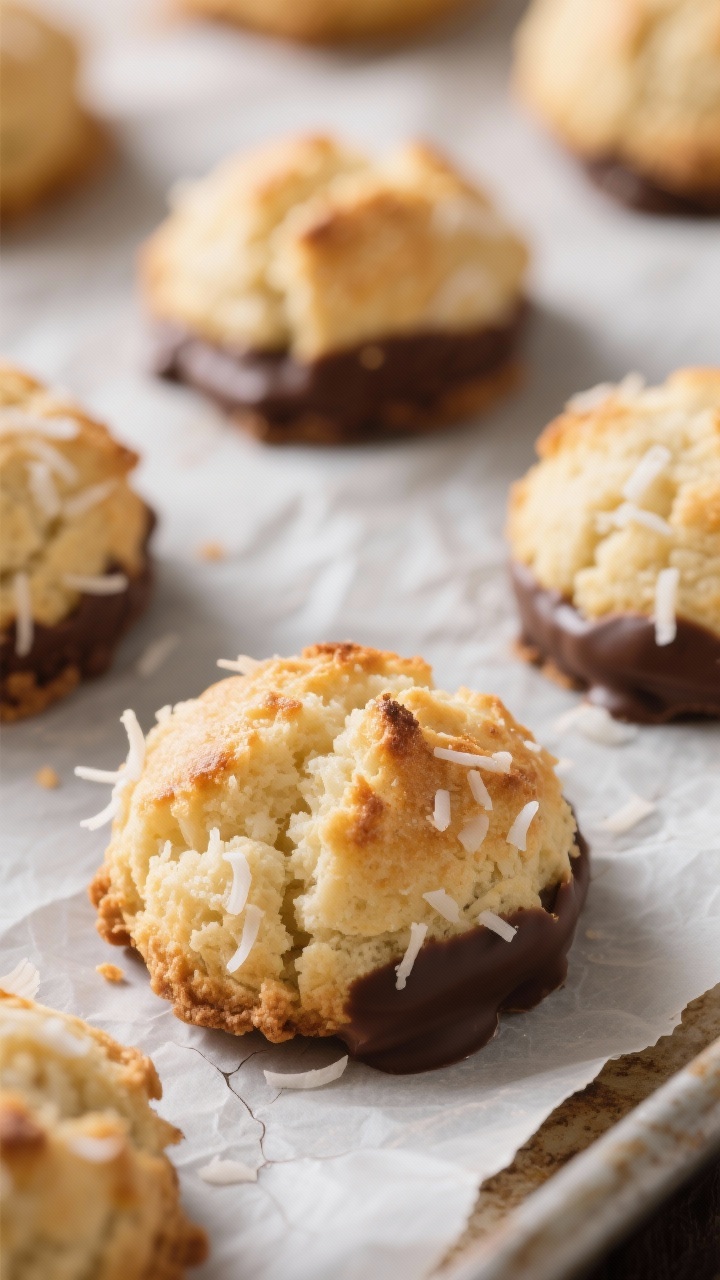
- Almond flour adds structure: A small amount keeps the cookies from spreading and helps them hold their shape without adding many carbs.
- Egg whites give lift and chew: Whipping them lightly binds the coconut and creates that signature chewy interior.
- Unsweetened shredded coconut brings texture: It toasts in the oven for nutty aroma and a satisfying bite.
- Keto-friendly sweetener keeps carbs low: Erythritol or allulose sweetens without sugar spikes.
- Optional dark chocolate finish: A thin dip or drizzle makes them feel special while staying within keto macros.
Shopping List
- Unsweetened shredded coconut (finely shredded works best)
- Almond flour (super-fine)
- Granulated keto sweetener (erythritol, allulose, or a blend)
- Egg whites (from 2 large eggs, or liquid egg whites)
- Coconut cream or heavy cream
- Vanilla extract
- Almond extract (optional but delicious)
- Fine sea salt
- Unsweetened dark chocolate or sugar-free chocolate chips (optional for dipping)
- Coconut oil or butter (optional, to thin the chocolate)
Step-by-Step Instructions
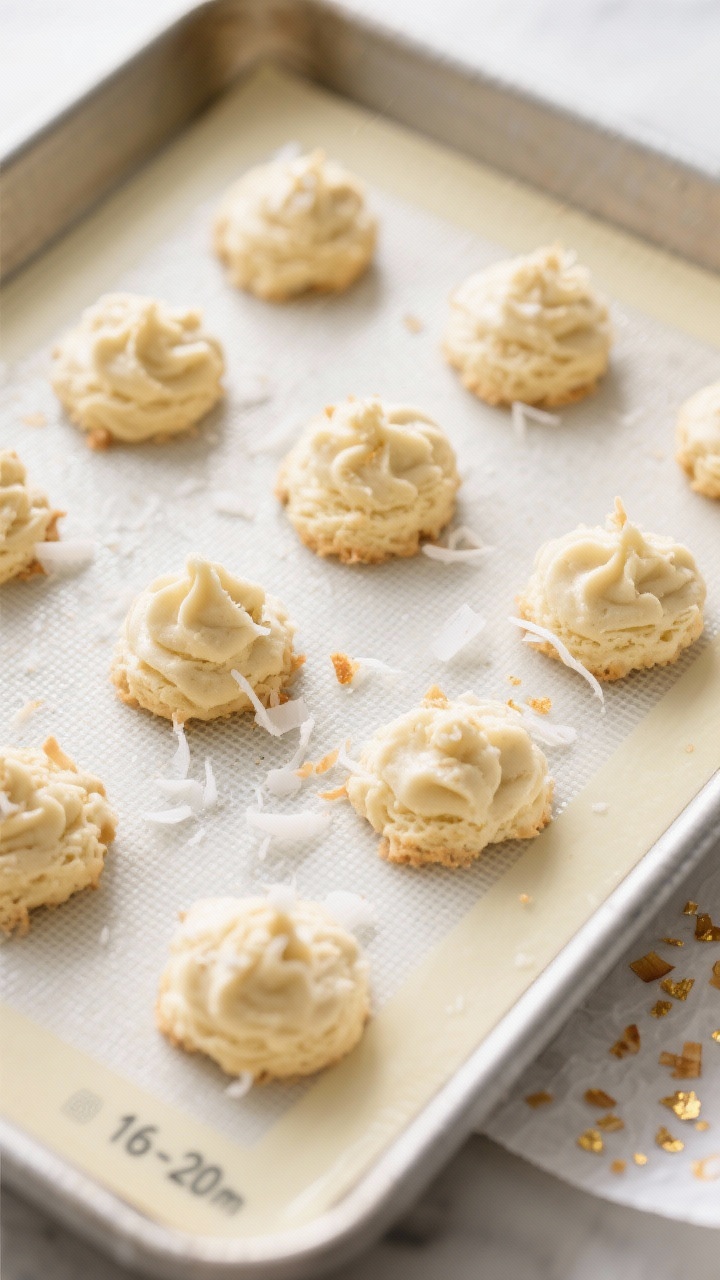
- Preheat and prep: Heat your oven to 325°F (165°C). Line a baking sheet with parchment paper or a silicone mat.
This prevents sticking and promotes even browning.
- Mix dry ingredients: In a bowl, combine 2 cups unsweetened shredded coconut, 1/4 cup almond flour, 1/3–1/2 cup granulated keto sweetener (adjust to taste), and a pinch of salt. Stir to distribute the sweetener and break up any clumps.
- Whisk the wet: In a separate bowl, whisk 2 egg whites until frothy and slightly opaque, 20–30 seconds by hand. Add 2 tablespoons coconut cream (or heavy cream), 1 teaspoon vanilla extract, and 1/4 teaspoon almond extract if using.
Whisk to combine.
- Combine: Pour the wet mixture over the dry and stir until the coconut is evenly moistened. The mixture should hold together when squeezed. If it’s too dry, add 1–2 teaspoons more cream.
- Shape the macaroons: Using a tablespoon or small cookie scoop, pack the mixture firmly, then release onto the prepared sheet.
Lightly press any stray coconut back into each mound to prevent loose bits from burning.
- Bake: Bake for 16–20 minutes, rotating the pan halfway through. The edges should be golden and the tops lightly toasted. Keep an eye on them at the end; coconut browns fast.
- Cool completely: Let the macaroons rest on the sheet for 5 minutes, then transfer to a rack to cool fully.
They firm up as they cool.
- Optional chocolate dip: Melt 3 ounces unsweetened or sugar-free dark chocolate with 1 teaspoon coconut oil in the microwave in 20–30 second bursts, stirring between each. Dip the bottoms of the cooled macaroons or drizzle over the tops. Let set at room temperature or chill briefly.
- Serve: Enjoy as-is or with coffee or tea.
They’re rich, so one or two usually hit the spot.
How to Store
- Room temperature: Store in an airtight container for up to 3 days. Add a small piece of parchment between layers to avoid sticking.
- Refrigerator: Keeps well for 1 week. The texture stays chewy and the chocolate remains firm.
- Freezer: Freeze on a tray until solid, then transfer to a freezer bag for up to 2 months.
Thaw at room temperature for 20–30 minutes before serving.
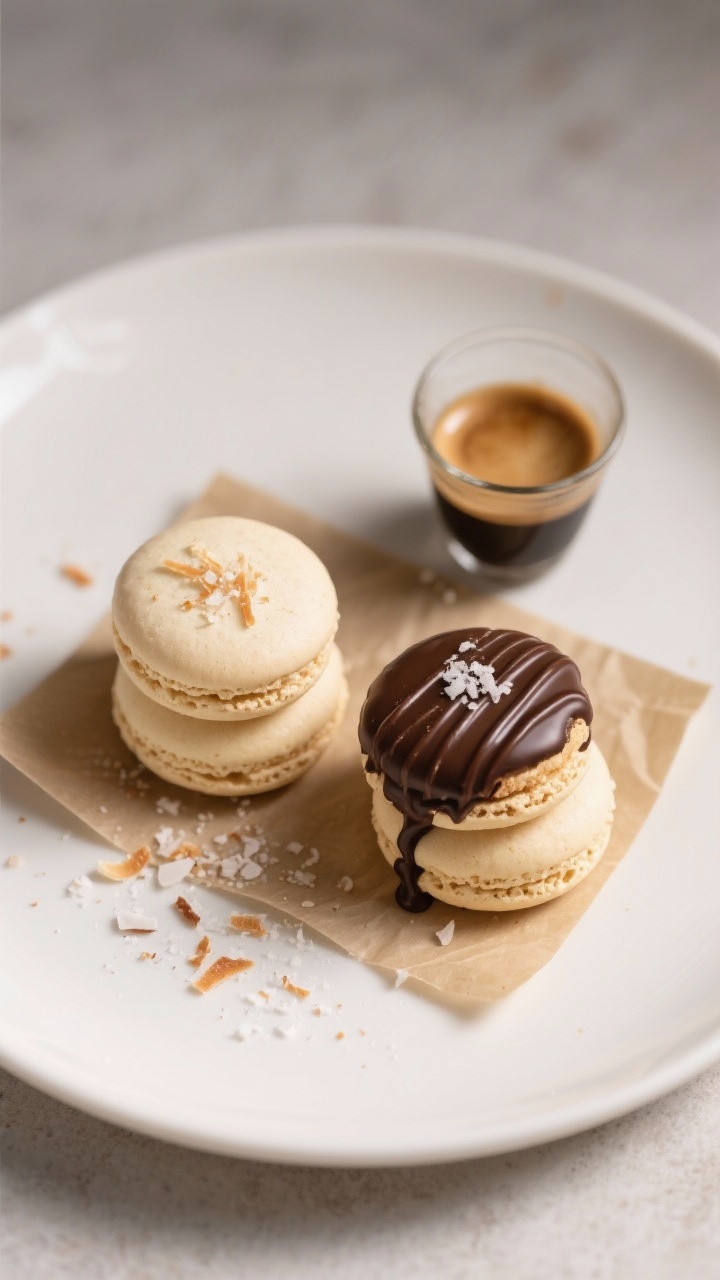
Why This is Good for You
- Low in net carbs: Using unsweetened coconut, almond flour, and keto sweetener cuts sugar dramatically compared to traditional macaroons.
- Healthy fats: Coconut provides medium-chain triglycerides (MCTs), which can be a steady energy source on a keto diet.
- Gluten-free: Almond flour keeps the texture tender without wheat.
- Satiating: The combo of fat and fiber helps you feel full and satisfied with a small portion.
Pitfalls to Watch Out For
- Too much sweetener: Erythritol can crystallize and feel gritty if overused. Measure carefully and consider allulose for a smoother finish.
- Overbaking: Coconut browns quickly. Pull the cookies when they’re just golden at the edges to keep the centers moist.
- Wet or dry mix: If the mixture won’t hold together, add a teaspoon of cream.
If it’s soupy, sprinkle in a bit more almond flour.
- Using the wrong coconut: Avoid sweetened coconut or large flakes. Finely shredded, unsweetened coconut gives the best structure.
- Sticking to the pan: Parchment or a silicone mat is a must. Coconut can weld itself to bare metal.
Alternatives
- Flavor twists: Add 1–2 teaspoons of lemon or orange zest for brightness, or 1/2 teaspoon ground cinnamon for warmth.
- Chocolate lovers: Mix sugar-free mini chocolate chips into the batter instead of dipping, about 1/4 cup.
- Nutty upgrade: Fold in 1/4 cup finely chopped toasted almonds, pecans, or macadamias for crunch.
- Dairy-free version: Use coconut cream instead of heavy cream and opt for dairy-free sugar-free chocolate.
- Extra chew: Add 1 tablespoon of unsweetened coconut flakes (larger cut) to the mix for varied texture.
FAQ
Are macaroons the same as macarons?
No.
Macaroons are coconut-based, chewy cookies. Macarons are delicate French sandwich cookies made with almond flour meringue and a filling. They’re very different in texture and technique.
Which keto sweetener works best?
Allulose gives the smoothest texture and gentle sweetness.
Erythritol works too but can crystallize slightly as it cools. A blend of allulose and monk fruit is a great middle ground.
Can I use coconut flour instead of almond flour?
Not directly. Coconut flour is highly absorbent and would make the mixture dry and crumbly.
If you must substitute, use only 1–2 teaspoons and add more cream as needed, but almond flour is recommended.
How do I prevent the macaroons from spreading?
Use finely shredded coconut, pack your scoops firmly, and don’t overdo the liquid. A short chill (10 minutes) before baking also helps them hold shape.
What’s the carb count per cookie?
It varies by size and ingredients, but a typical small macaroon (about 20–22 cookies per batch) comes in around 1–2 net carbs each when using allulose and unsweetened coconut. Check your brands and calculate to be sure.
Do I need to whip the egg whites to stiff peaks?
No.
Lightly frothy is enough. You’re using the whites as a binder, not for volume like a meringue.
Can I toast the coconut first?
Yes, but keep it very light since it will toast more in the oven. Pre-toasting adds deeper flavor.
Stir the batter gently to avoid breaking the flakes too much.
How do I make them extra moist?
Add an extra teaspoon of coconut cream and bake just until the edges are golden. Overbaking is the main cause of dryness.
Why are my macaroons gritty?
This often comes from erythritol crystallizing. Try a finer-grain sweetener, switch to allulose, or pulse your sweetener in a blender before using.
Can I make them bigger?
Yes, but increase the bake time by a few minutes and watch the color closely.
Larger cookies may benefit from a lower oven temp (315°F/155°C) to avoid over-browning before the centers set.
In Conclusion
Keto macaroons prove you don’t need sugar to enjoy a rich, bakery-style treat. With simple ingredients, minimal prep, and a texture that’s both chewy and crisp, they’re a dependable cookie to keep in your rotation. Customize the flavors, add a touch of chocolate, and store a batch for the week. When the sweet tooth hits, you’ll have a satisfying option ready to go—no compromise, just great coconut flavor.
Printable Recipe Card
Want just the essential recipe details without scrolling through the article? Get our printable recipe card with just the ingredients and instructions.