
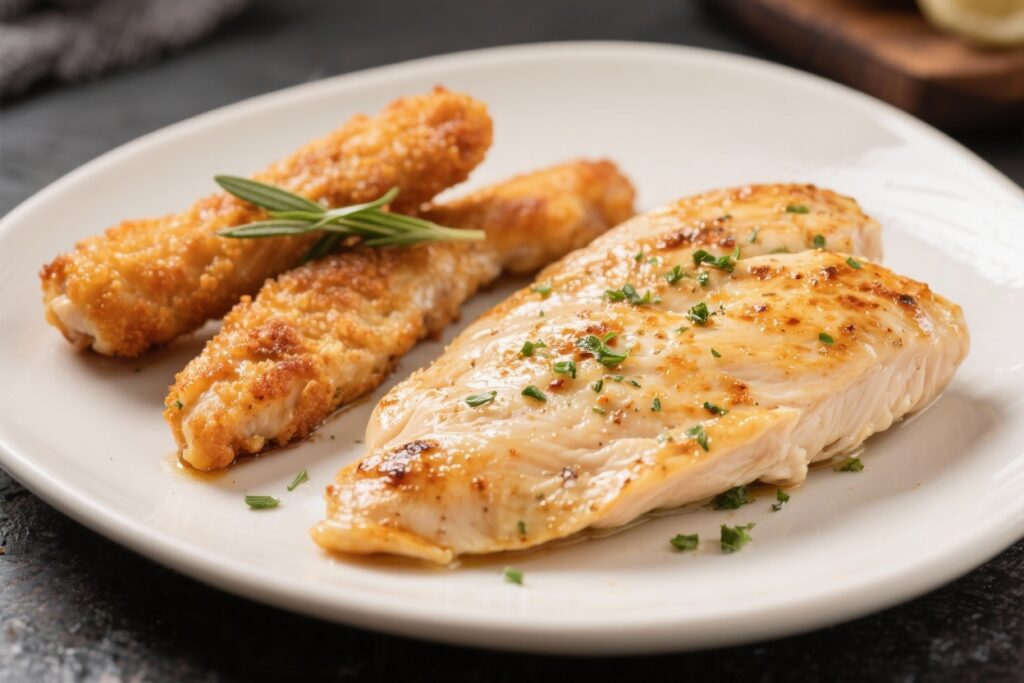
Chicken tenderloins and chicken breasts look similar, cook fast, and show up in tons of weeknight recipes. But they’re not the same cut, and those differences matter when you’re trying to nail juicy, flavorful chicken. If you’ve ever ended up with dry breast meat or overcooked tenders, you’re not alone.
This guide breaks down the differences, the best uses for each, and a simple method to cook them right. You’ll also find storage tips, health notes, and smart swaps to make dinner easier.
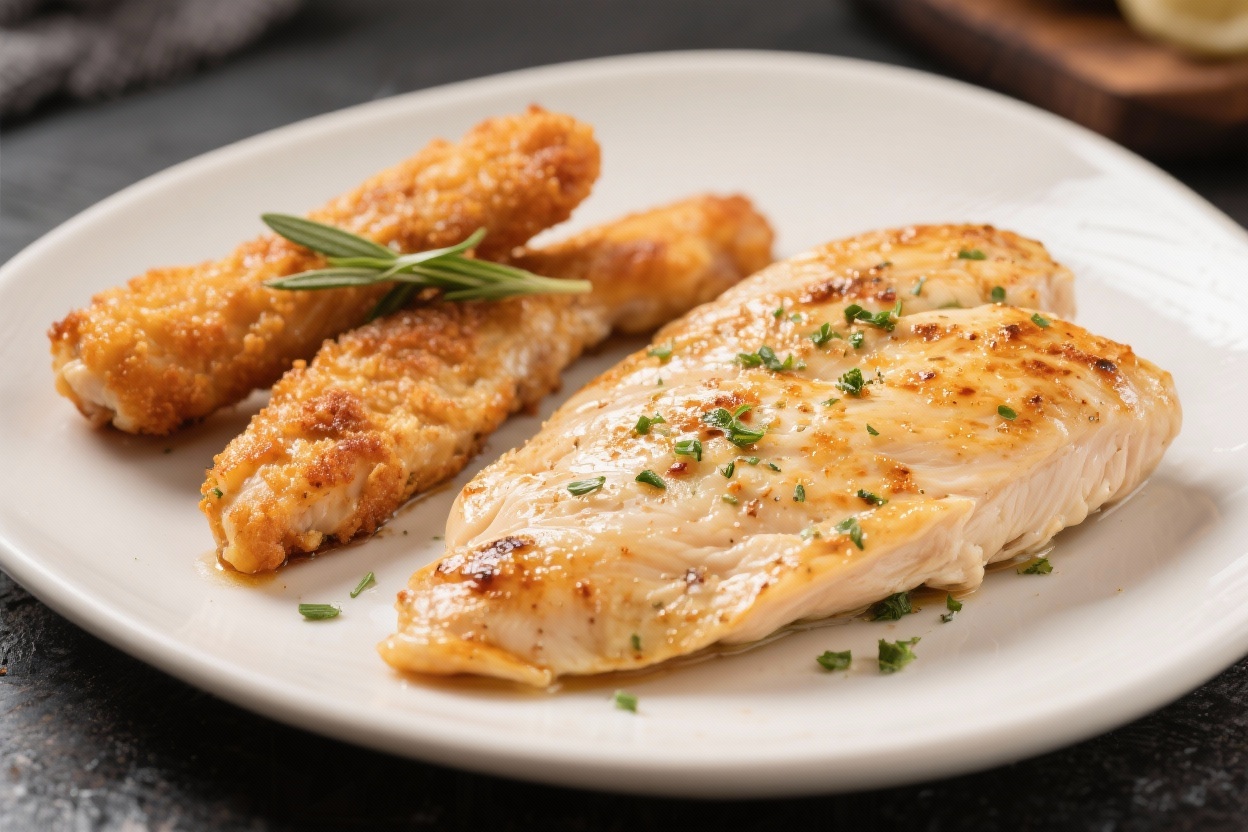
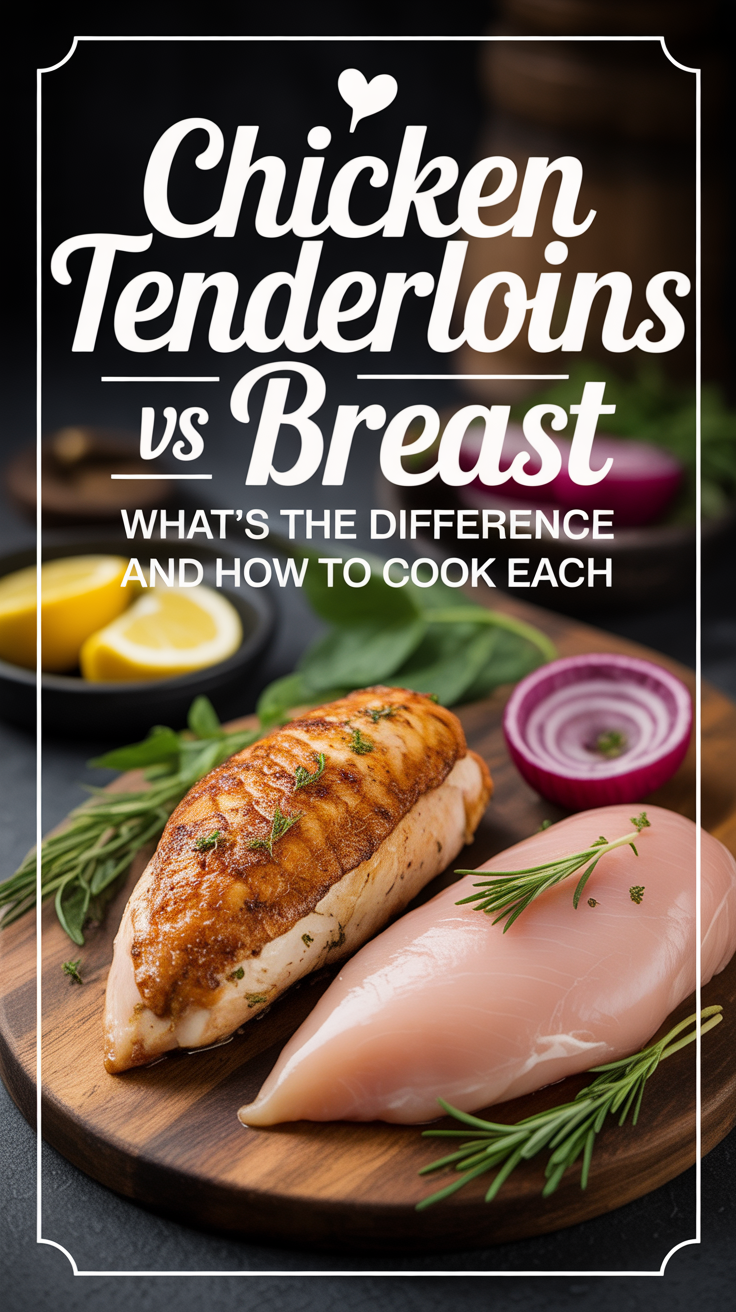
Chicken Tenderloins Vs Breast – What’s the Difference and How to Cook Each
Ingredients
Method
-
Know your cut: Tenderloins are the small strip of muscle under the breast. They’re thinner, slightly more tender, and cook faster.
Breasts are larger, lean, and can dry out if overcooked.
-
Prep the chicken: For tenderloins, trim the tough white tendon at one end if visible. For breasts, slice horizontally to make even cutlets about 1/2 to 3/4 inch thick for quick, even cooking.
-
Season: Pat dry. Mix salt, pepper, garlic powder, paprika, and onion powder.
Coat chicken with oil, then rub on the seasoning. If marinating, combine marinade ingredients and rest 15–30 minutes in the fridge.
-
Preheat the pan: Heat a large skillet over medium-high. Add a thin layer of oil and let it shimmer.
-
Cook tenderloins: Add in a single layer.
Cook 2–3 minutes per side until lightly browned and the internal temperature hits 160–165°F (71–74°C). Remove to a plate and rest 3 minutes.
-
Cook breast cutlets: Sear 3–4 minutes per side, depending on thickness, until they reach 160–165°F (71–74°C). Rest 5 minutes.
For full, unsliced breasts, lower heat after searing and cook 6–8 minutes per side.
-
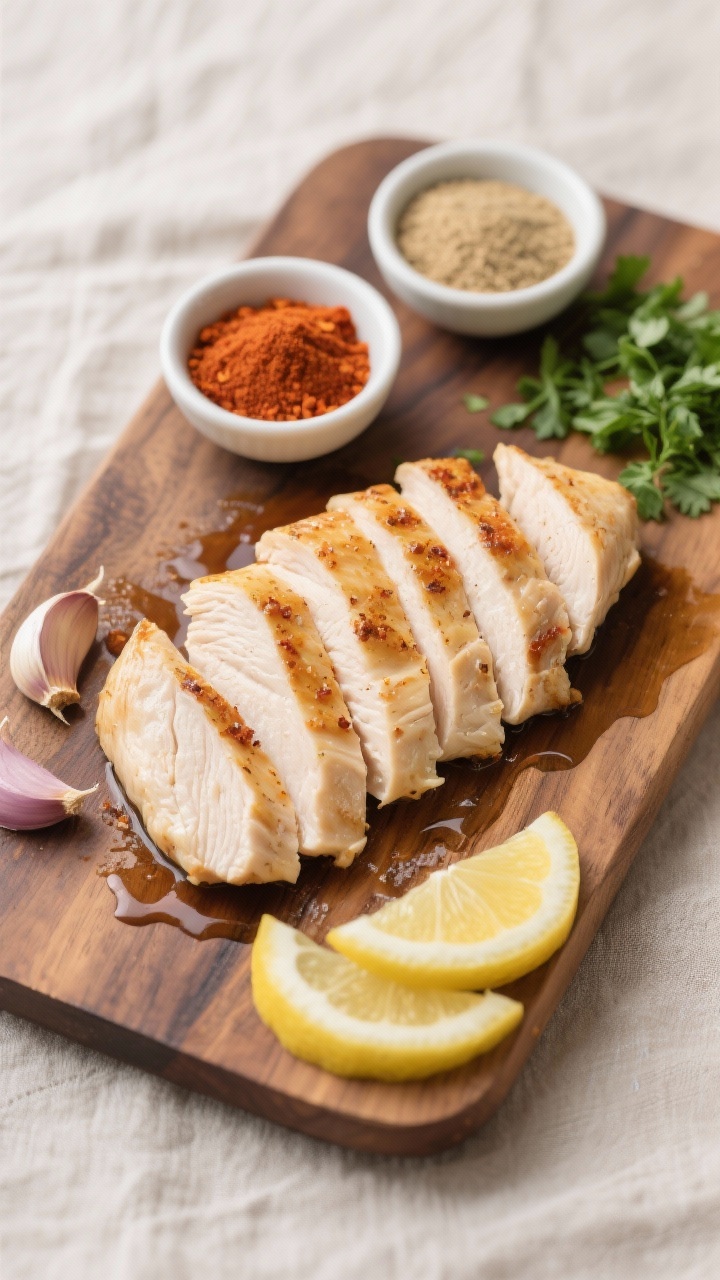
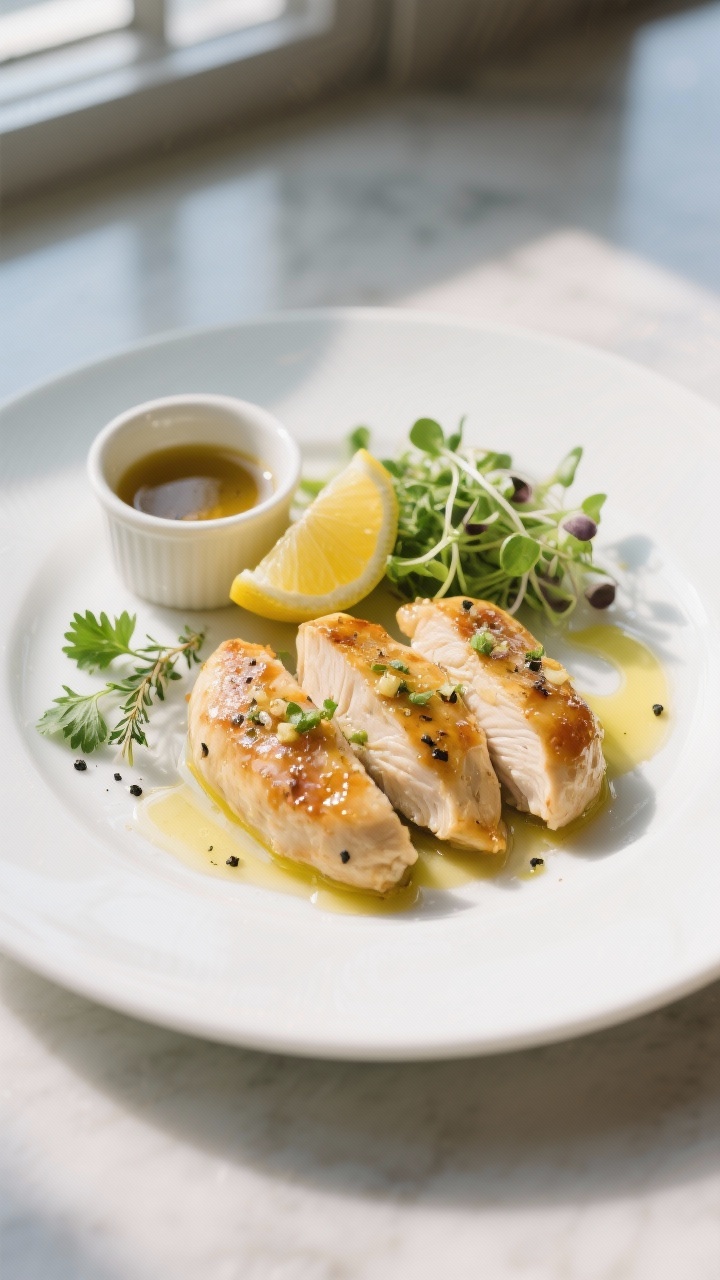
Optional finish: Squeeze lemon over the top and sprinkle with fresh herbs. Slice against the grain for the best texture.
What Makes This Recipe So Good
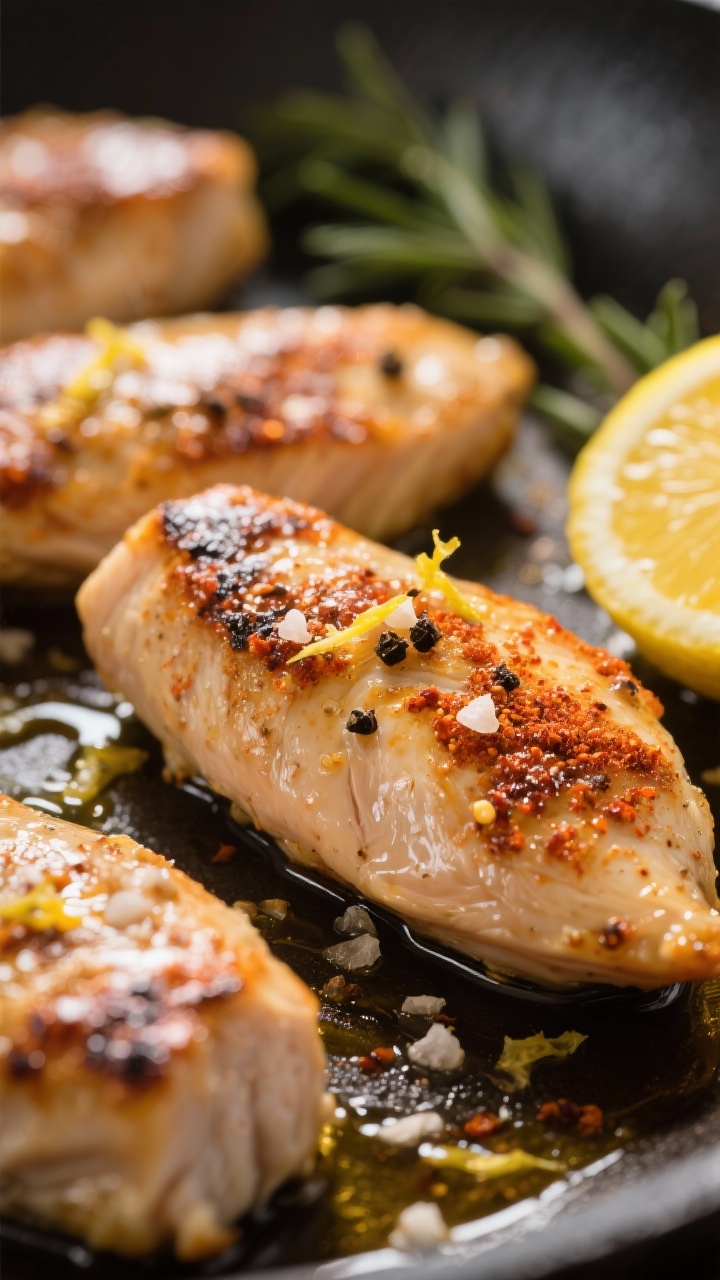
- Clear guidance on cuts: Understand where tenderloins and breasts come from and why that affects taste and texture.
- Foolproof method: Simple, high-heat cooking steps for juicy, well-seasoned chicken—no guesswork.
- Flexible flavors: Works with any seasoning blend, marinade, or sauce.
- Quick to the table: Tenderloins cook in minutes; breasts are nearly as fast with the right technique.
- Meal-prep friendly: Easy to batch-cook and store for salads, bowls, wraps, and pasta.
What You’ll Need
- 1 pound chicken tenderloins or 2 medium boneless, skinless chicken breasts
- 1–2 tablespoons olive oil or avocado oil
- 1 teaspoon kosher salt
- 1/2 teaspoon black pepper
- 1 teaspoon garlic powder
- 1 teaspoon paprika (smoked or sweet)
- 1/2 teaspoon onion powder
- Optional: 1/2 teaspoon dried Italian seasoning or cumin for extra flavor
- Optional marinade: 2 tablespoons lemon juice, 1 tablespoon olive oil, 1 minced garlic clove
Instructions
- Know your cut: Tenderloins are the small strip of muscle under the breast. They’re thinner, slightly more tender, and cook faster.
Breasts are larger, lean, and can dry out if overcooked.
- Prep the chicken: For tenderloins, trim the tough white tendon at one end if visible. For breasts, slice horizontally to make even cutlets about 1/2 to 3/4 inch thick for quick, even cooking.
- Season: Pat dry. Mix salt, pepper, garlic powder, paprika, and onion powder.
Coat chicken with oil, then rub on the seasoning. If marinating, combine marinade ingredients and rest 15–30 minutes in the fridge.
- Preheat the pan: Heat a large skillet over medium-high. Add a thin layer of oil and let it shimmer.
- Cook tenderloins: Add in a single layer.
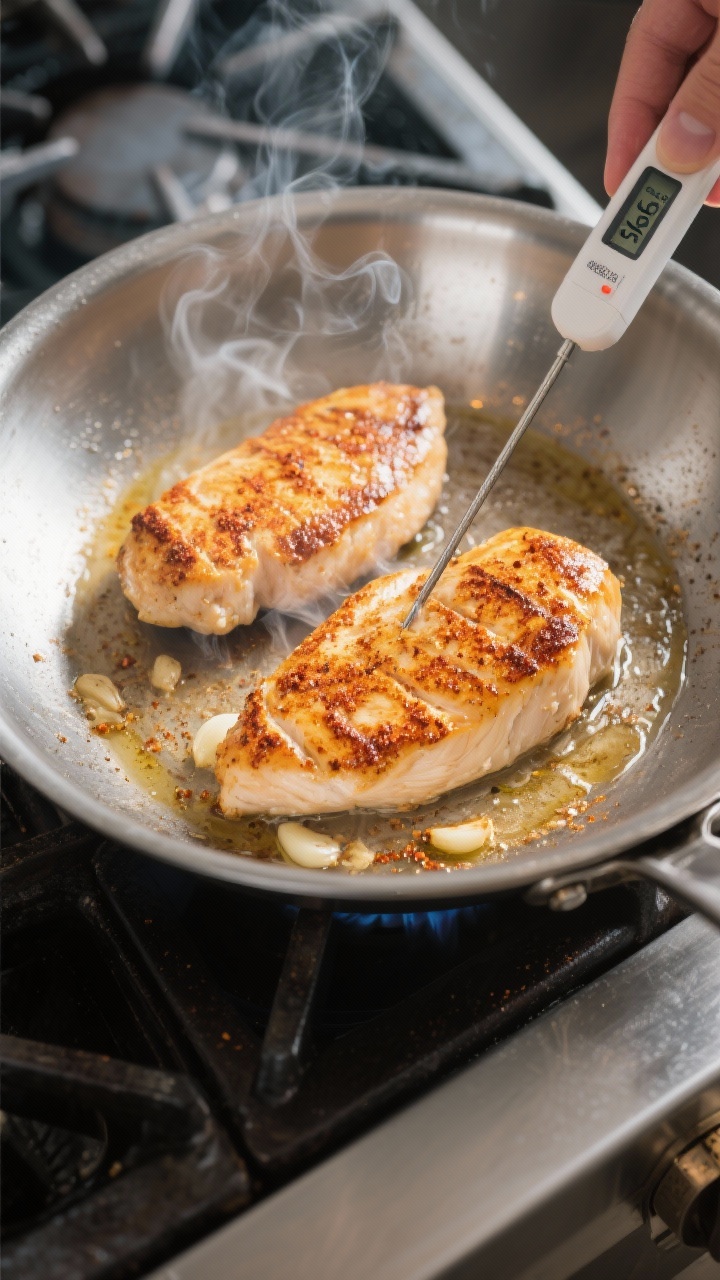
Cook 2–3 minutes per side until lightly browned and the internal temperature hits 160–165°F (71–74°C). Remove to a plate and rest 3 minutes.
- Cook breast cutlets: Sear 3–4 minutes per side, depending on thickness, until they reach 160–165°F (71–74°C). Rest 5 minutes.
For full, unsliced breasts, lower heat after searing and cook 6–8 minutes per side.
- Optional finish: Squeeze lemon over the top and sprinkle with fresh herbs. Slice against the grain for the best texture.
How to Store
- Refrigerate: Cool completely, then store in an airtight container for up to 4 days.
- Freeze: Wrap tightly and freeze up to 3 months. For easy portions, slice before freezing and store with parchment between layers.
- Reheat: Warm gently in a covered skillet over low heat with a splash of broth or water until hot.
Avoid microwaving on high, which can toughen the meat.
- Meal prep tip: Keep sauces separate and add after reheating to keep the chicken moist.
Health Benefits
- Lean protein: Both cuts are high in protein and low in fat, great for muscle repair and satiety.
- Breast vs tenderloin calories: Nutritionally, they’re similar. Breasts are often slightly leaner per ounce, but the difference is small.
- Micronutrients: Good source of B vitamins (especially niacin and B6) and minerals like selenium and phosphorus.
- Sodium control: Cooking at home keeps sodium lower than most store-bought chicken strips or nuggets.
What Not to Do
- Don’t overcook: Going past 165°F dries out both cuts fast. Use an instant-read thermometer.
- Don’t skip resting: Resting keeps juices in the meat.
It only takes a few minutes.
- Don’t cook straight from the fridge: Ice-cold chicken can cook unevenly. Let it sit at room temp for 10–15 minutes first.
- Don’t crowd the pan: Overcrowding steams the chicken and prevents browning.
- Don’t ignore thickness: Adjust time for thickness. Tenderloins need less time than full breasts.
Alternatives
- Air fryer: 400°F.
Tenderloins 6–8 minutes; breast cutlets 8–10 minutes, flipping halfway.
- Bake: 425°F on a sheet pan. Tenderloins 10–12 minutes; cutlets 12–15 minutes. Broil 1–2 minutes for color if needed.
- Grill: Medium-high heat.
Tenderloins 2–3 minutes per side; cutlets 3–4 minutes per side.
- Flavor swaps: Cajun spice + honey, lemon-pepper + butter, taco seasoning + lime, teriyaki glaze + sesame.
- Protein swaps: Turkey cutlets or pork tenderloin medallions cook similarly with minor time adjustments.
FAQ
Are chicken tenderloins the same as chicken breast?
No. Tenderloins are a separate, small muscle that sits under the breast. They cook faster and can be a bit more tender, while breasts are larger and need careful timing to stay juicy.
Which is better for frying or breading?
Tenderloins.
Their uniform size and quick cook time make them perfect for breaded strips or nuggets. Breasts work well too if you slice into even strips or cutlets.
Why are my chicken breasts dry?
They were likely overcooked or uneven in thickness. Pound or slice into cutlets, use enough heat to sear, and pull them at 160–165°F.
Rest before slicing.
Is there a big nutrition difference?
Not really. Both are lean and high in protein. Breasts may be slightly lower in fat per ounce, but the difference is small and won’t matter much in everyday meals.
How do I remove the white tendon from tenderloins?
Grip the tendon with a paper towel and slide a fork down the tenderloin to pull it out, or trim around it with a sharp knife.
It’s optional, but it improves texture.
Can I marinate both cuts?
Yes. Short marinades work best—15 to 30 minutes for tenderloins and up to 2 hours for breast cutlets. Avoid very acidic marinades overnight; they can turn the surface mushy.
What’s the best internal temperature?
Aim for 160–165°F.
Pulling at 160°F and resting a few minutes lets carryover heat finish the job without drying the meat.
In Conclusion
Chicken tenderloins and breasts are both versatile, budget-friendly, and easy to cook once you know the differences. Tenderloins shine when you need fast, tender bites for strips, salads, or kids’ meals. Breasts are great for cutlets, grilling, and meal prep when cooked to the right temperature.
With simple seasoning, even heat, and a brief rest, either cut turns out juicy and flavorful. Keep an instant-read thermometer nearby, and you’ll win dinner every time.
Printable Recipe Card
Want just the essential recipe details without scrolling through the article? Get our printable recipe card with just the ingredients and instructions.