
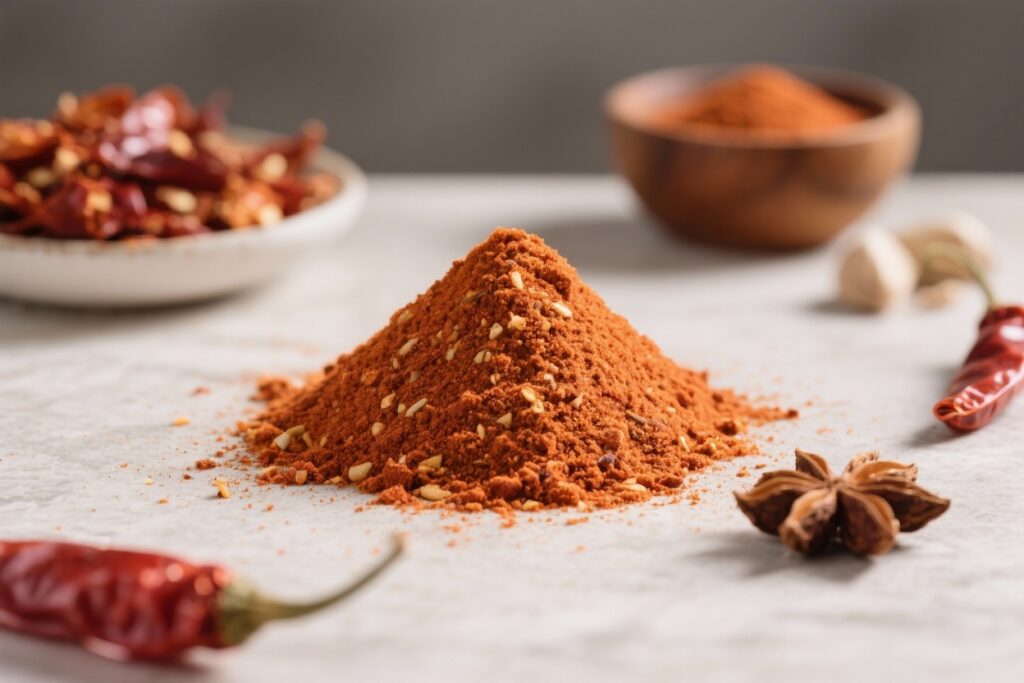
Chili seasoning is one of those pantry staples that makes weeknight cooking easier and tastier. With the right blend of spices, you can turn beans, ground meat, or vegetables into a cozy, hearty meal in minutes. This homemade version is bold, balanced, and customizable, without the fillers or extra salt found in many packets.
It’s great for chili, of course, but also works in tacos, soups, roasted vegetables, and marinades. Once you make your own, you’ll always want a jar within reach.

Chili Seasoning – A Warm, Flavor-Packed Blend for Everyday Cooking
Ingredients
Method
-
Measure your spices: Use level measurements for consistency. If you prefer low sodium, reduce or omit the salt and season your dish later.
-
Combine in a bowl: Add all spices to a small mixing bowl and whisk until the blend looks uniform with no streaks.
-
Taste and adjust: Rub a little between your fingers and smell. If you like more smokiness, add a pinch more smoked paprika.
Want more heat? Increase cayenne or red pepper flakes.
-
Store properly: Transfer the blend to an airtight jar. Label it with the name and date so you remember what’s inside.
-
Use in recipes: As a guideline, use about 2 to 3 tablespoons per pound of meat or per medium pot of bean/vegetable chili.
Adjust to taste as your dish simmers.
Why This Recipe Works

- Balanced heat and depth: Chili powder, cumin, and smoked paprika create warmth and complexity without overwhelming the dish.
- Consistent flavor: A measured blend ensures you get the same results every time, whether you’re making a small pot or feeding a crowd.
- No fillers or extras: You control the salt, sugar, and heat. This blend is pure spice, so it’s easy to adjust for dietary needs.
- Versatile and scalable: Works with beef, turkey, chicken, beans, or vegetables.
Double or triple the recipe to stock your pantry.
- Fresh and aromatic: Using quality spices makes a noticeable difference in aroma and taste.
Ingredients
- 3 tablespoons chili powder (American-style, mild)
- 1 tablespoon ground cumin
- 1 tablespoon smoked paprika (or sweet paprika for a milder, non-smoky version)
- 2 teaspoons garlic powder
- 2 teaspoons onion powder
- 1 teaspoon dried oregano
- 1 teaspoon coriander, ground (optional but recommended)
- 1 teaspoon kosher salt (adjust to taste; see notes below)
- 1 teaspoon black pepper, freshly ground
- 1/2 to 1 teaspoon crushed red pepper flakes, to taste
- 1/2 teaspoon cayenne pepper, to taste
- 1 teaspoon brown sugar (optional; helps round out acidity and heat)
How to Make It

- Measure your spices: Use level measurements for consistency. If you prefer low sodium, reduce or omit the salt and season your dish later.
- Combine in a bowl: Add all spices to a small mixing bowl and whisk until the blend looks uniform with no streaks.
- Taste and adjust: Rub a little between your fingers and smell. If you like more smokiness, add a pinch more smoked paprika.
Want more heat? Increase cayenne or red pepper flakes.
- Store properly: Transfer the blend to an airtight jar. Label it with the name and date so you remember what’s inside.
- Use in recipes: As a guideline, use about 2 to 3 tablespoons per pound of meat or per medium pot of bean/vegetable chili.
Adjust to taste as your dish simmers.
Storage Instructions
- Container: Keep in an airtight glass jar or a well-sealed spice container to preserve aroma and flavor.
- Environment: Store in a cool, dark place away from heat, light, and moisture—think pantry or a closed cabinet.
- Shelf life: Best flavor for 6 months. It’s safe beyond that, but the potency fades. If the scent is faint, it’s time to refresh.
- Batching: Make a double or triple batch if you cook chili often, but don’t exceed what you’ll use in 6 months.

Benefits of This Recipe
- Customizable heat: Control the spice level to suit kids, spice lovers, or mixed crowds.
- Budget-friendly: Cheaper than store-bought packets and uses common pantry spices.
- Cleaner ingredients: No anticaking agents or fillers—just flavor.
- Multi-use: Works well in chili, tacos, roasted potatoes, grilled chicken, bean salads, and even scrambled eggs.
- Meal prep friendly: Keeps recipes consistent and saves time on busy nights.
What Not to Do
- Don’t skip cumin: It provides the earthy backbone that makes chili taste like chili.
- Don’t overdo the salt: If your broth or canned beans are salted, keep salt light in the blend and adjust while cooking.
- Don’t rely only on heat: Cayenne adds kick but won’t replace depth.
Keep paprika, oregano, and coriander for complexity.
- Don’t cook spices in raw flour or water: Bloom the seasoning in a little oil or add it early in the simmer so flavors open up.
- Don’t store near the stove: Heat and steam dull spices quickly.
Recipe Variations
- Texas-style: Skip the brown sugar and oregano, use extra cumin and black pepper, and go heavier on smoked paprika.
- Sweet-heat: Add 1 extra teaspoon brown sugar and a pinch of cinnamon for a subtle warmth that pairs well with tomato-based chili.
- Chipotle twist: Replace part of the smoked paprika with ground chipotle for a deeper, smoky heat.
- Mild family blend: Omit the cayenne and reduce red pepper flakes to a pinch. Keep everything else the same for balanced flavor.
- Herby version: Add an extra 1/2 teaspoon oregano and a pinch of thyme. Great for turkey chili or chicken soups.
- No-salt version: Leave out the salt entirely to better control sodium in your final dish.
FAQ
How much chili seasoning should I use per pound of meat?
Use 2 to 3 tablespoons per pound.
Start with 2 tablespoons, taste as it simmers, and add more if needed.
Can I use this seasoning in vegetarian or vegan chili?
Absolutely. It’s excellent with beans, lentils, mushrooms, and roasted vegetables. The spices add body and depth, so you won’t miss the meat.
Is chili powder the same as chili seasoning?
No.
Chili powder is a single ingredient or a mild blend centered on ground dried chilies, while chili seasoning is a full mix that includes cumin, paprika, garlic, onion, and more.
How do I make it less spicy?
Cut or remove the cayenne and red pepper flakes. Keep the chili powder if it’s mild, and lean on paprika and cumin for flavor.
What if my chili tastes flat?
Add a pinch more salt, a squeeze of lime, or a touch of brown sugar to balance acidity. A splash of coffee or cocoa powder can deepen the flavor too.
Can I substitute smoked paprika?
Yes.
Use sweet paprika for a non-smoky profile. If you still want a hint of smoke, add a tiny dash of liquid smoke to your chili while cooking.
Do I need to toast the spices?
It’s optional. Toasting whole spices before grinding boosts aroma.
For ground spices, blooming the blend in a little oil in the pot works well.
How long does the seasoning last?
It’s best within 6 months. After that, it won’t be harmful, but the flavor fades. Smell and taste a pinch to check potency.
Can I make this blend without sugar?
Yes.
The sugar is optional. It slightly softens bitterness and acidity, but your chili will still taste great without it.
What’s the best way to use it in chili?
Brown your meat or sauté your vegetables, then add the seasoning to the hot pan with a bit of oil. Stir for 30 seconds to bloom the spices before adding liquids.
Wrapping Up
A good chili seasoning is more than just heat—it’s balance, warmth, and depth in one jar.
With this simple blend, you’ll get consistent results and the flexibility to season any pot your way. Keep a batch on hand, adjust the heat to your taste, and let the spices do the heavy lifting on busy nights. Once you’ve tried it, store a jar in your pantry and count it as your weeknight secret weapon.


Printable Recipe Card
Want just the essential recipe details without scrolling through the article? Get our printable recipe card with just the ingredients and instructions.